
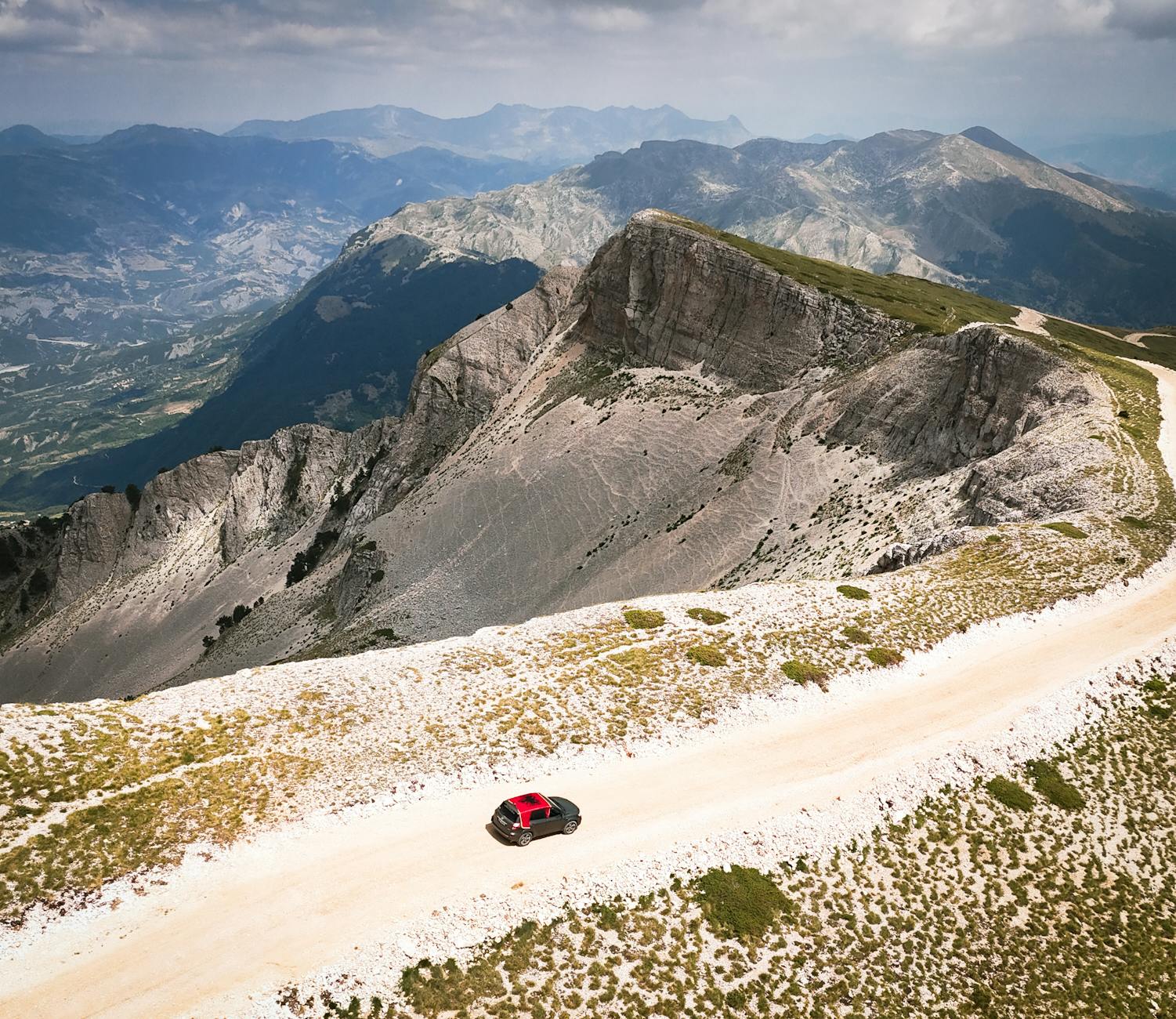
Best Time to Drive the Balkans: Avoiding Crowds and Bad Weather
Planning a road trip through the Balkans? You’re in for a treat! From the dramatic coastline of Albania to the historic streets of Skopje, North Macedonia, and the rugged mountains of Montenegro, the region offers incredible diversity. However, to truly maximize your experience and Rent a Car Skopje Airport with ease, understanding the seasonal nuances is vital. This guide will help you choose the optimal time to explore the Balkans, considering weather, crowds, and local events.
When is the Best Time to Drive the Balkans? — Rent A Car Skopje Airport
The “best” time truly depends on your priorities. For pleasant weather and fewer crowds, the shoulder seasons (spring and autumn) are generally ideal. Summer offers the warmest temperatures but also the highest tourist numbers. Winter brings snow and potential road closures, though it also offers a unique, quieter perspective.
Spring (April - May): Blooming Beauty and Moderate Crowds
Spring is a fantastic time to drive the Balkans. Temperatures are mild, wildflowers are in bloom, and the landscape is vibrant. You’ll avoid the peak summer crowds, making for a more relaxed driving experience. Expect average temperatures ranging from 10°C to 20°C (50°F to 68°F), but be prepared for occasional rain showers.
- Pros: Mild weather, blooming landscapes, fewer tourists, lower prices.
- Cons: Occasional rain, some mountain roads may still be affected by late-season snow.
Summer (June - August): Warm Sunshine and Peak Season
Summer is the warmest time of year, perfect for enjoying the beaches and outdoor activities. However, it’s also the busiest time, with higher prices and more traffic. Expect average temperatures between 25°C and 35°C (77°F to 95°F). Driving can be challenging in popular coastal areas due to congestion.
- Pros: Warmest temperatures, ideal for beaches, long daylight hours.
- Cons: Peak tourist season, higher prices, crowded roads, potential for extreme heat.
Autumn (September - October): Golden Landscapes and Fewer Tourists
Autumn offers a beautiful transition with changing leaves and comfortable temperatures. The crowds thin out significantly, and prices start to decrease. Similar to spring, expect average temperatures between 15°C and 25°C (59°F to 77°F). This is an excellent time to explore inland areas and enjoy the harvest season.
- Pros: Beautiful fall foliage, fewer tourists, lower prices, pleasant temperatures.
- Cons: Potential for early rainfall, some tourist attractions may have reduced hours.
Winter (November - March): Snow-Covered Landscapes and Quiet Roads
Winter in the Balkans can be breathtaking, with snow-covered mountains and charming Christmas markets. However, it’s also the most challenging time to drive, with potential road closures due to snow and ice. Only experienced winter drivers should consider this time of year. Average temperatures range from 0°C to 10°C (32°F to 50°F).
- Pros: Snow-covered landscapes, fewer tourists, unique cultural experiences (Christmas markets).
- Cons: Potential for road closures, icy conditions, limited daylight hours, challenging driving.
Understanding Balkan Driving Conditions
Driving in the Balkans can be an adventure. Roads vary greatly in quality, and driving styles can be assertive. Here's what you need to know to stay safe and enjoy the journey.
Road Quality and Signage
- Motorways: Generally well-maintained and clearly signposted. Speed limits are typically 130 km/h (80 mph) on motorways.
- Main Roads: Can be in reasonable condition, but expect some potholes and uneven surfaces. Signage may be less consistent.
- Rural Roads: Often narrow, winding, and poorly maintained. Drive with caution and be prepared for unexpected obstacles.
Driving Regulations
- Speed Limits: 50 km/h in cities, 80 km/h on main roads, 100-130 km/h on motorways (depending on the country).
- Seatbelts: Mandatory for all passengers.
- Headlights: Must be used during daylight hours.
- Green Card: Required for insurance coverage in many countries. Green Card insurance is available as a paid extra (Zone 1: €50/rental, Zone 2: €80/rental).
- International Driving Permit: May be required depending on your nationality. Check the specific requirements for each country you plan to visit.
Practical Tips for Balkan Road Trips
- Book in Advance: Especially during peak season, securing your Rent a Car Skopje Airport and accommodation is crucial.
- Check Road Conditions: Before setting off, check local weather and road conditions websites.
- Navigation: GPS is highly recommended, but also carry a paper map as a backup.
- Fuel: Fuel stations are generally plentiful, but it’s a good idea to fill up when you have the opportunity, especially in remote areas.
- Currency: Each country has its own currency, so be prepared to exchange money or use ATMs.
Quick Reference
| Season | Temperature (°C) | Crowds | Road Conditions | Best For |
|---|---|---|---|---|
| Spring | 10-20 | Moderate | Generally good, potential for late snow | Wildflowers, hiking, exploring inland areas |
| Summer | 25-35 | High | Can be congested in coastal areas | Beaches, outdoor activities, long days |
| Autumn | 15-25 | Low | Generally good | Fall foliage, harvest season, relaxed exploration |
| Winter | 0-10 | Very Low | Potentially challenging, snow and ice | Snow-covered landscapes, Christmas markets |
Frequently Asked Questions
Q: Do I need an International Driving Permit to rent a car in North Macedonia?
A: It depends on your nationality. Check the specific requirements based on your driver's license.
Q: What is a Green Card, and do I need one?
A: A Green Card is proof of insurance coverage in several Balkan countries. Green Card insurance is available as a paid extra (Zone 1: €50/rental, Zone 2: €80/rental).
Q: What are the speed limits like in North Macedonia?
A: Speed limits are 50 km/h in cities, 80 km/h on main roads, and 100-130 km/h on motorways.
Q: Can I drive my rental car into other Balkan countries?
A: Yes, but check with Relax Rent a Car Skopje Airport about any cross-border restrictions or fees.
Q: What is the best way to navigate the Balkans?
A: A GPS is highly recommended, but also carry a paper map as a backup, especially in areas with poor cell service. Relax Rent a Car Skopje Airport has operated since 2001 from Alexander the Great Airport (SKP), serving travellers across North Macedonia and the Western Balkans.