
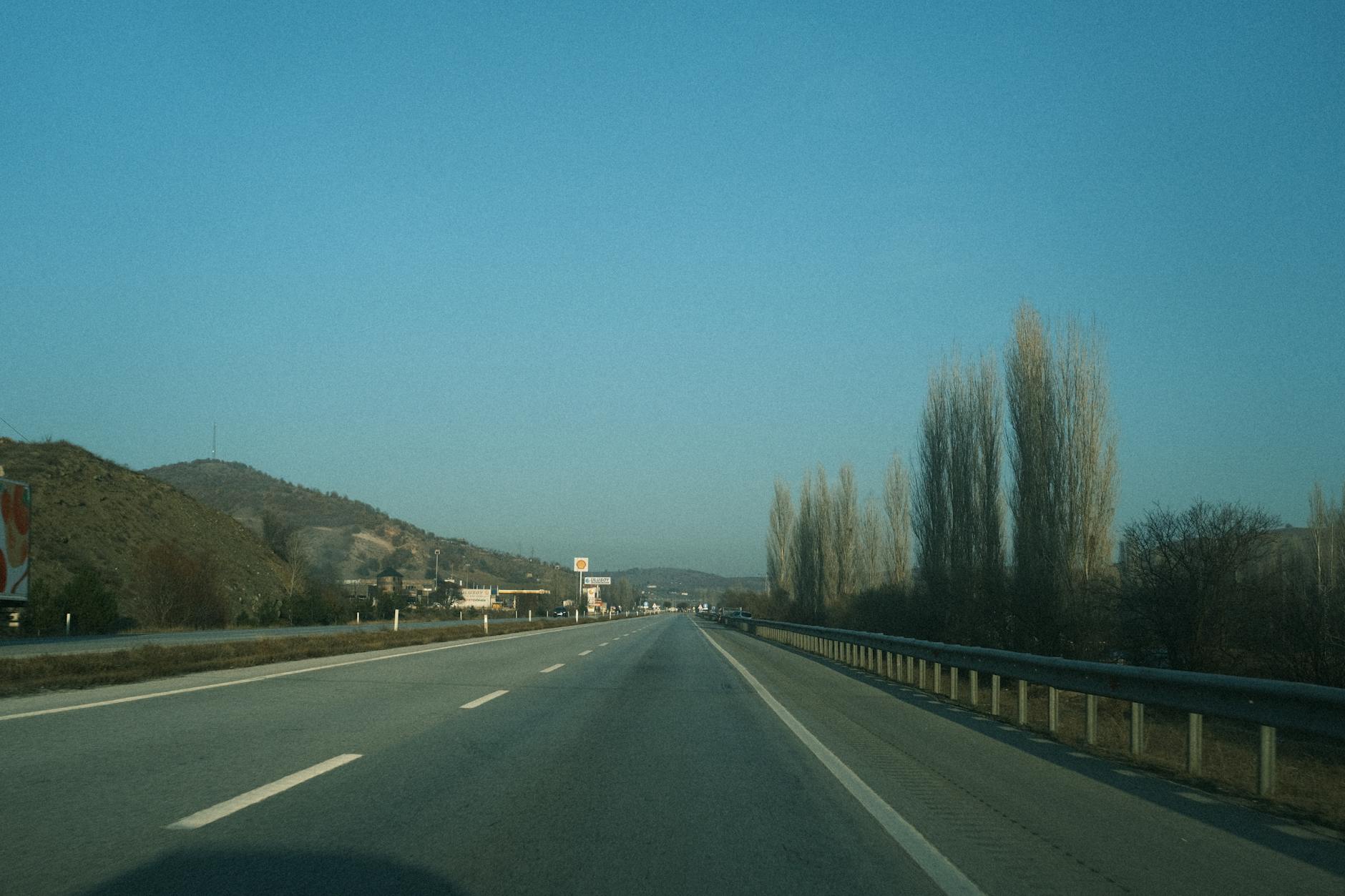
Bulgaria Driving Rules: Navigating Vignettes and Speed Limits
Planning a Bulgarian adventure? Knowing the local driving regulations is key to a stress-free road trip. This guide details everything you need to know about vignettes (toll stickers) and speed limits, ensuring you stay on the right side of the law and enjoy your travels.
Understanding Vignettes: Bulgaria's Toll System — Rent A Car Skopje Airport
In Bulgaria, using the motorways requires a vignette. A vignette is a sticker you purchase that allows you to use the country's highways for a specified period. Driving without a valid vignette results in significant fines, so it’s essential to acquire one before hitting the road.
What is a Vignette and Why Do You Need One?
A vignette is essentially a toll sticker, adhering to your vehicle's windscreen. It’s proof of payment for using Bulgarian motorways. Without it, you’ll face a hefty fine, typically around BGN 300 (approximately €155) – a significant expense to avoid.
Types of Vignettes Available
Bulgaria offers various vignette options to suit different travel durations:
- Weekly Vignette: Valid for 7 days.
- Monthly Vignette: Valid for 30 days.
- Annual Vignette: Valid for 12 months.
Choosing the right vignette depends on the length of your stay and planned travel.
Where to Buy Vignettes
You can purchase vignettes from several locations:
- Online: The official e-vignette portal (https://www.bgtoll.bg/en/) is a convenient option.
- Border Crossing Points: Available at most border crossings when entering Bulgaria.
- Gas Stations: Many gas stations along major routes sell vignettes.
- Post Offices: Selected post offices also offer vignette sales.
Tip: Buying an e-vignette online provides immediate validity after purchase, unlike physical vignettes which need to be activated.
Decoding Bulgaria's Speed Limits
Driving safely and adhering to speed limits is paramount. Bulgaria's speed limit regulations are generally well-enforced, and exceeding them can lead to fines and even license suspension.
General Speed Limits
Here's a breakdown of the typical speed limits in Bulgaria:
- Urban Areas (City Limits): 50 km/h (31 mph)
- Rural Roads: 90 km/h (56 mph)
- Motorways: 130 km/h (81 mph) – reduced to 100 km/h (62 mph) in adverse weather conditions (rain, snow, fog).
- Road Works: Speed limits are significantly reduced in road work zones. Observe the posted signage.
Speed Cameras & Enforcement
Bulgaria utilizes speed cameras extensively, particularly on motorways and in urban areas. These cameras are often unmarked, so maintaining a safe speed is always recommended. Police patrols also enforce speed limits, and fines can be substantial.
Specific Speed Limit Considerations
- Towing: Vehicles towing trailers have a reduced speed limit of 80 km/h on motorways and 60 km/h on rural roads.
- Buses & Coaches: Generally restricted to 90 km/h on motorways and 70 km/h on rural roads.
- Heavy Goods Vehicles (HGVs): Speed limits vary depending on the vehicle's weight and configuration.
Other Important Driving Regulations
Beyond vignettes and speed limits, several other rules govern driving in Bulgaria.
- Seatbelts: Mandatory for all passengers.
- Headlights: Must be used during daylight hours on motorways and in tunnels.
- Mobile Phones: Using a mobile phone while driving is prohibited unless using a hands-free device.
- Alcohol Limit: The legal blood alcohol limit is 0.5‰ (per mille).
- Priority: Give way to traffic from the right unless otherwise indicated by signage.
Practical Tips for Driving in Bulgaria
- Road Conditions: While major motorways are generally well-maintained, some rural roads can be narrow and winding.
- Parking: Parking regulations are enforced in cities. Look for designated parking areas and pay attention to signage.
- Green Card: A Green Card (international insurance certificate) is required for foreign-registered vehicles.
- Emergency Numbers: Dial 112 for police, ambulance, or fire services.
Quick Reference
| Regulation | Details |
|---|---|
| Vignette Required? | Yes, for motorways |
| Speed Limit (City) | 50 km/h |
| Speed Limit (Motorway) | 130 km/h (reduced in adverse weather) |
| Alcohol Limit | 0.5‰ |
| Headlights | Daytime use on motorways & tunnels |
| Emergency Number | 112 |
Frequently Asked Questions
Q: How far is Skopje Airport from the Bulgarian border?
A: The closest border crossing from Skopje Airport (SKP) is approximately 150 km (93 miles), taking around 2-2.5 hours to drive.
Q: Can I use my existing vignette from another European country in Bulgaria?
A: No, Bulgaria has its own vignette system. You must purchase a Bulgarian vignette to use their motorways.
Q: What happens if I’m caught driving without a vignette?
A: You will receive a fine of approximately BGN 300 (approximately €155) and may be required to purchase a vignette immediately.
Q: Where’s the best place to buy a vignette before entering Bulgaria?
A: Buying an e-vignette online (https://www.bgtoll.bg/en/) is convenient. Alternatively, border crossing points and gas stations are readily available.
Q: What is the penalty for speeding in Bulgaria?
A: Fines for speeding vary depending on the extent of the violation, ranging from BGN 70 to BGN 2000 (approximately €35 to €1025), along with potential license suspension. Relax Rent a Car Skopje Airport has operated since 2001 from Alexander the Great Airport (SKP), serving travellers across North Macedonia and the Western Balkans.
Preparing Your Vehicle for Bulgarian Roads
Before embarking on your Bulgarian road trip, ensuring your vehicle is adequately prepared is crucial. This isn’t just about legal compliance but also about safety and preventing unexpected issues. Check your tire pressure, including the spare, and ensure tires have sufficient tread depth, particularly if travelling during colder months when conditions can be slippery. Confirm all vehicle lights are functioning correctly – headlights, brake lights, indicators, and hazard lights. Additionally, familiarize yourself with the location of your spare tire, jack, and warning triangle. Having a fully charged mobile phone and a local SIM card can be invaluable in case of emergencies or for utilizing navigation apps.
Seasonal Driving Considerations in Bulgaria
Bulgaria experiences distinct seasonal weather patterns that significantly impact driving conditions. During the winter months (November to March), snow and ice are common, especially in mountainous regions. Winter tires are legally required during this period on certain roads, and it’s advisable to check current regulations before travel. Summer brings hot temperatures, increasing the risk of tire blowouts, so regular checks are essential. Spring and autumn can bring heavy rainfall and fog, reducing visibility. Always adjust your driving speed and maintain a safe following distance based on the prevailing weather conditions. Road closures due to weather are common in higher elevations.
Essential Documents to Carry
While your rental agreement from Relax Rent a Car Skopje Airport will cover the vehicle’s documentation, it’s important to carry specific documents with you while driving in Bulgaria. Your driver’s license (and an International Driving Permit if required – check Bulgarian regulations based on your country of origin), vehicle registration documents, and proof of insurance are essential. If you are not the vehicle owner, a power of attorney authorizing you to drive the vehicle may also be necessary. Keep these documents readily accessible, as you may be asked to present them by law enforcement officials during routine checks.
Preparing Your Vehicle for Bulgarian Roads
Before embarking on your Bulgarian road trip, ensuring your rental vehicle is adequately prepared is crucial. While Relax Rent a Car Skopje Airport maintains a fleet of well-maintained vehicles, a quick personal check can enhance safety and prevent unexpected issues. Verify the spare tire is present and inflated, and familiarize yourself with its location and changing procedure. Check fluid levels – engine oil, coolant, and windshield washer fluid – and top up if necessary. Ensure all lights (headlights, brake lights, indicators) are functioning correctly. Finally, confirm you have the necessary documentation for the vehicle, including the rental agreement and insurance details.
Driving in Bulgaria During Winter Months
Bulgaria experiences harsh winters, particularly in mountainous regions. If travelling between November and March, be prepared for challenging driving conditions. Snow and ice are common, significantly impacting road safety. Winter tires are legally required during this period on certain roads, and strongly advised even if not mandated. Reduced speed limits apply in adverse weather, and it’s essential to drive cautiously and increase following distances. Be aware of potential road closures due to heavy snowfall. Checking the Bulgarian Road Infrastructure Agency’s website (https://www.api.bg/) for real-time road conditions is highly recommended before setting off.
Essential Items to Carry in Your Car
Beyond the standard vehicle documentation, consider packing a few essential items for your journey. A high-visibility vest is legally required to be carried in the car and worn when exiting the vehicle on a motorway or fast road in case of breakdown. A warning triangle should also be kept in the vehicle and used to alert other drivers of a stationary vehicle. A first-aid kit is always a sensible precaution. In winter, consider carrying snow chains, even if winter tires are fitted, particularly if venturing into mountainous areas. A flashlight and a mobile phone charger are also practical additions.