
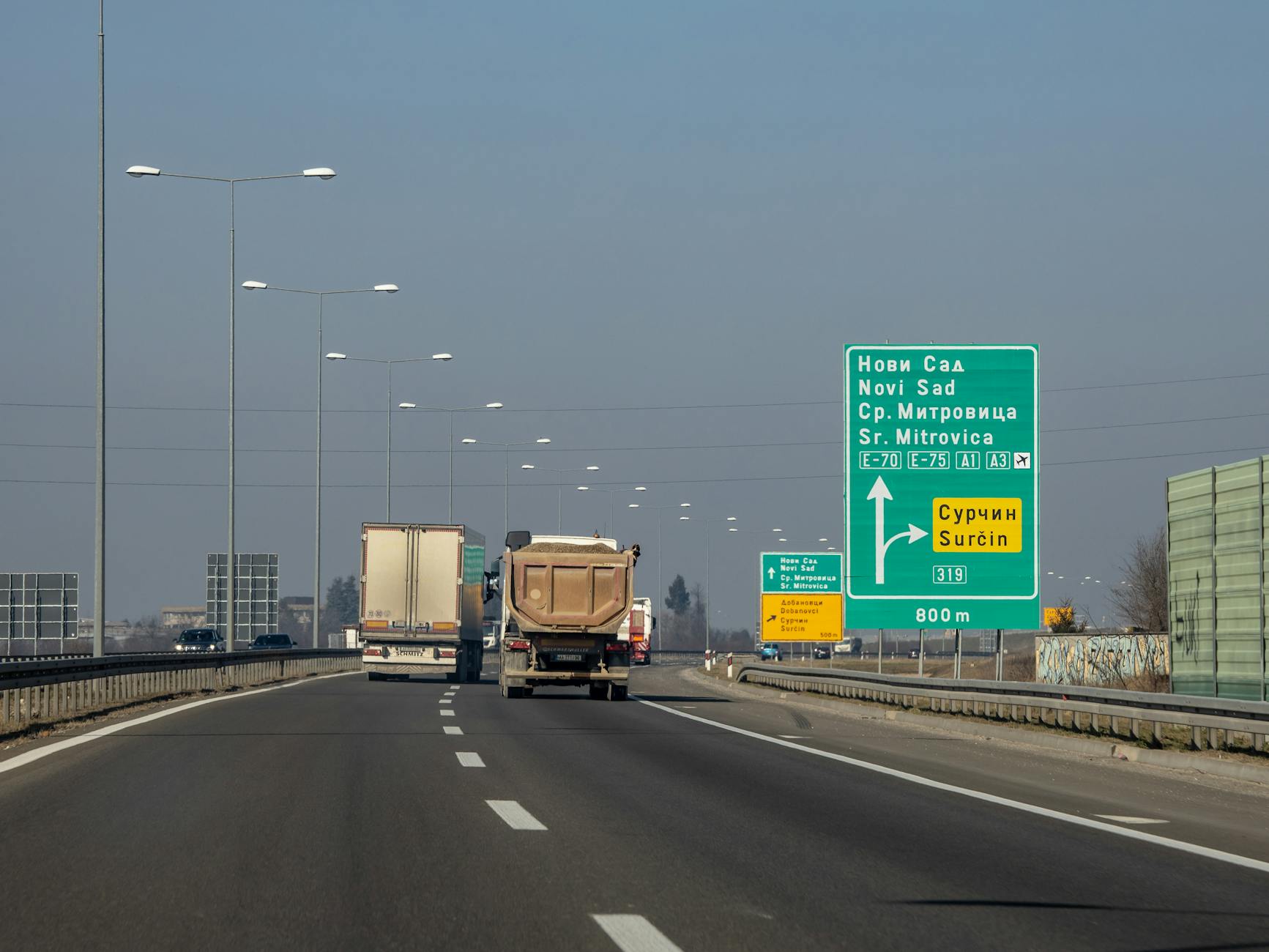
Driving in Serbia: A Comprehensive Guide for Tourists & Business Travellers
Serbia’s diverse landscapes and historical sites make it a compelling destination. To ensure a smooth and legal driving experience, familiarize yourself with the country's regulations. Relax Rent a Car Skopje Airport provides this guide to help you navigate Serbian roads confidently, especially after you've picked up your rental from us at Skopje Alexander the Great Airport (SKP).
Understanding Serbian Road Rules — Rent A Car Skopje Airport
Serbian road rules share similarities with many European countries, but there are some key differences to be aware of. Always prioritize safety and adhere to local laws to avoid fines or accidents. Seatbelts are mandatory for all passengers, and using a mobile phone while driving is strictly prohibited.
Key Regulations & Important Notes
- Driving Licence: A valid EU driving licence is generally accepted. Non-EU citizens may need an International Driving Permit (IDP) alongside their national licence. Check specific requirements based on your nationality.
- Headlights: Headlights must be used during daylight hours, especially on motorways and outside urban areas.
- Right of Way: Priority is given to vehicles approaching from the right at intersections unless signs indicate otherwise.
- Alcohol Limit: The legal blood alcohol limit is 0.05%. Strict enforcement is in place, and penalties for driving under the influence are severe.
- Priority Roads: Pay close attention to signage indicating priority roads – they are clearly marked.
- Roundabouts: Approach roundabouts cautiously and yield to vehicles already circulating.
Navigating Serbia's Toll System
Serbia's motorway network is largely tolled. Understanding the toll system is essential to avoid delays and fines. The system is electronic, and there are several options for payment.
Electronic Toll Collection (ETC)
The primary method is electronic toll collection. You can use a Telepass device (similar to a vignette in other countries) or register your vehicle online. This requires providing vehicle details and a payment method.
Toll Payment Options
- Toll Stickers (Vignettes): While less common now, temporary toll stickers are still available for short-term rentals. These are available at border crossings and some gas stations.
- Pay-as-you-go: At toll booths, you can pay with cash (Serbian Dinars) or credit/debit card. Be prepared for potential queues, especially during peak season.
Toll Costs: A General Guide
Toll costs vary depending on the vehicle category and distance travelled. Here's a rough estimate:
| Vehicle Category | Category | Daily Toll (RSD) | Weekly Toll (RSD) | Monthly Toll (RSD) |
|---|---|---|---|---|
| Car | 1 | 530 | 2,900 | 9,700 |
| Car | 2 | 790 | 4,300 | 14,700 |
| Car | 3 | 1,140 | 6,200 | 21,200 |
Note: These are approximate costs and may change. Check the official website of the Serbian Toll Administration (PINA) for the latest information.
Speed Cameras and Enforcement
Serbia utilizes speed cameras and other enforcement methods to monitor traffic and ensure road safety. Speed limits are strictly enforced, and exceeding them can result in significant fines and even license suspension.
Speed Limits
- Urban Areas: 50 km/h
- Rural Roads: 80 km/h
- Motorways: 130 km/h (reduced to 100 km/h in rainy or snowy conditions)
Types of Speed Enforcement
- Fixed Speed Cameras: Located at known accident hotspots and areas with high traffic density.
- Mobile Speed Cameras: Used in various locations, often unmarked.
- Radar Traps: Police officers using radar devices to monitor vehicle speeds.
What to Do If You Receive a Traffic Fine
If you receive a traffic fine, you have several options:
- Pay Online: You can settle the fine online through the PINA website.
- Pay at a Bank: Present the fine at any Serbian bank.
- Challenge the Fine: You can challenge the fine if you believe it was issued incorrectly. However, this process can be complex and may require legal assistance. Keep all documentation related to your rental car and the incident.
Practical Tips for Driving in Serbia
- Road Conditions: While major motorways are generally well-maintained, rural roads can be narrow, winding, and in poorer condition. Drive cautiously, especially in these areas.
- Fuel Availability: Fuel stations are readily available along major routes. Ensure you have sufficient fuel, especially when venturing into remote regions.
- Parking: Parking regulations vary from city to city. Look for designated parking areas and pay attention to signage to avoid fines.
- Emergency Numbers: The emergency number is 112.
Driving Regulations Summary
| Feature | Details |
|---|---|
| Driving License | EU license or IDP required for non-EU citizens |
| Headlights | Mandatory during daylight hours on motorways |
| Alcohol Limit | 0.05% |
| Speed Limits (Urban) | 50 km/h |
| Speed Limits (Motorway) | 130 km/h (reduced in adverse weather) |
| Toll Payment | Electronic Toll Collection (ETC) is primary method |
Frequently Asked Questions
Q: Do I need an International Driving Permit (IDP) to drive in Serbia?
A: It depends on your nationality. Check specific requirements based on your country of residence. Generally, an IDP is recommended for non-EU citizens.
Q: How do I pay tolls on Serbian motorways?
A: The primary method is electronic toll collection (ETC). You can use a Telepass device or register your vehicle online. Cash payment is available at toll booths, but queues are possible.
Q: What is the speed limit on Serbian motorways?
A: The standard speed limit on motorways is 130 km/h, but it is reduced to 100 km/h in rainy or snowy conditions. Always pay attention to posted signs.
Q: Can I use my credit card to pay for tolls?
A: Yes, most toll booths accept credit and debit cards. However, it's always a good idea to have some Serbian Dinars (RSD) as backup.
Q: What should I do if I receive a traffic fine while driving in Serbia?
A: You can pay the fine online or at a bank. You also have the option to challenge the fine if you believe it was issued incorrectly, though the process can be complex. Relax Rent a Car Skopje Airport has operated since 2001 from Alexander the Great Airport (SKP), serving travellers across North Macedonia and the Western Balkans.