
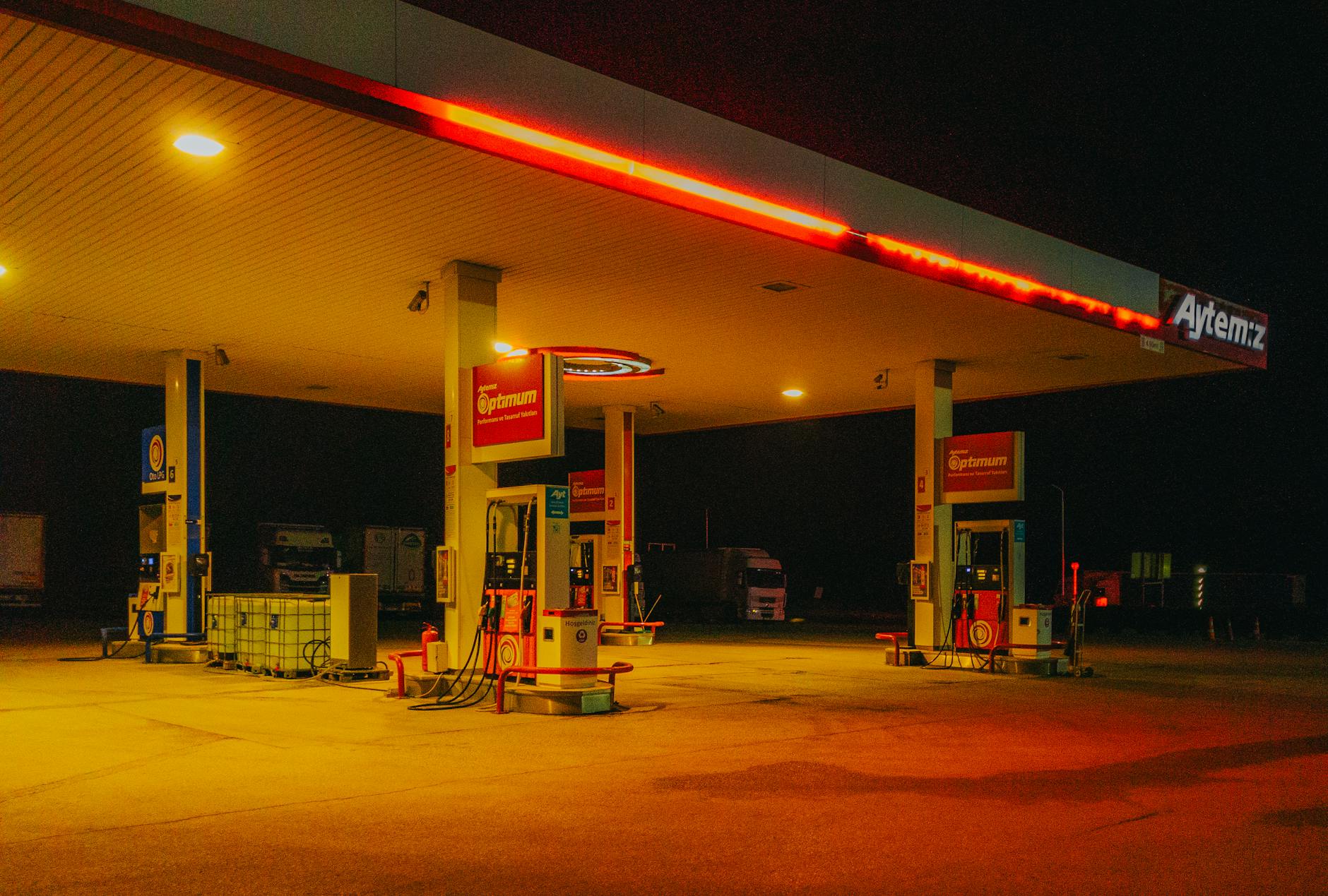
Bulgaria Petrol Prices: What to Expect on a Road Trip
Planning a road trip through Bulgaria? Knowing the current petrol prices and fuel infrastructure will help you budget effectively and enjoy a stress-free journey. At Relax Rent a Car Skopje Airport, we want to ensure your Balkan adventure is seamless, and understanding fuel costs is a key part of that.
Current Petrol Prices in Bulgaria — Rent A Car Skopje Airport
Bulgarian petrol prices fluctuate, influenced by global oil markets and local taxes. As a rough guide, here's a general overview. Please note these are approximate and can vary slightly by region and station:
- Petrol (95 Octane): €1.85 - €2.05 per litre
- Diesel: €1.75 - €1.95 per litre
- LPG (Autogas): €0.85 - €0.95 per litre
These prices are subject to change, so it's always a good idea to check current rates using online resources (see 'Useful Resources' section below) before and during your trip.
Where to Find Petrol Stations in Bulgaria
Types of Fuel Available in Bulgaria
Bulgaria caters to various fuel needs:
- Petrol (Benzin): Primarily 95 Octane, commonly available at all stations. 98 Octane is less common but can be found in larger cities.
- Diesel (Дизел): Widely available and frequently the more economical option for longer journeys.
- LPG (Autogas - Автогаз): A popular alternative fuel, particularly for older vehicles. LPG stations are more prevalent in urban areas.
- Eurodiesel: The standard diesel fuel, meeting European emission standards.
Finding petrol stations in Bulgaria is generally easy, especially along major roads and in towns and cities. Here's a breakdown:
- Major Highways: Petrol stations are regularly spaced along the A-roads (e.g., A1, A2, A4), often with amenities like shops and restaurants. These are typically larger, well-equipped stations.
- Cities and Towns: Numerous petrol stations are located within urban areas, offering convenience for city driving.
- Rural Areas: While less frequent, petrol stations exist in rural areas, but it's advisable to fill up when you see one.
Major petrol station chains in Bulgaria include:
- OMV: One of the largest and most widespread networks.
- Lukoil: Another major player with a significant presence.
- Shell: International brand with a good number of stations.
- Rompetrol: Expanding network, especially in the south of the country.
Factors Affecting Petrol Prices
Several factors influence the price of petrol in Bulgaria:
- Global Oil Prices: The international price of crude oil is a primary driver.
- Taxes: Bulgaria levies excise duties and VAT on fuel, which significantly impact the final price.
- Exchange Rate: The Bulgarian Lev (BGN) to Euro (EUR) or US Dollar (USD) exchange rate plays a role.
- Competition: Competition among petrol station chains can influence pricing.
- Seasonal Demand: Prices might fluctuate slightly based on seasonal travel patterns.
Driving Regulations and Fuel Efficiency Tips
Familiarize yourself with Bulgarian driving regulations to ensure a safe and legal journey:
- Speed Limits: City limits are generally 50 km/h; outside of cities, it's 90 km/h; and on motorways, it's 130 km/h (reduced to 100 km/h in wet weather).
- Green Card: A Green Card is required for vehicles from certain countries, including those rented from Relax Rent a Car Skopje Airport. Green Card insurance is available as a paid extra (Zone 1: €50/rental, Zone 2: €80/rental) — add it at booking when crossing international borders.
- Driving Style: Driving smoothly and avoiding excessive acceleration or braking can significantly improve fuel efficiency.
- Tire Pressure: Maintaining proper tire pressure reduces rolling resistance and improves fuel economy.
- Air Conditioning: Use air conditioning sparingly, as it can increase fuel consumption.
Estimated Fuel Costs for a Road Trip
To help you budget, here's a rough estimate of fuel costs for common road trip scenarios (based on current prices):
| Route | Distance (km) | Estimated Fuel Consumption (litres) | Estimated Fuel Cost (€) |
|---|---|---|---|
| Skopje - Sofia - Plovdiv | 550 | 70-85 | €130 - €165 |
| Sofia - Veliko Tarnovo - Varna | 400 | 50-65 | €95 - €125 |
| Plovdiv - Sofia - Burgas | 380 | 48-60 | €90 - €115 |
Note: These are estimations and can vary based on vehicle type, driving conditions, and actual fuel consumption.
Useful Resources
- Petrol Prices Bulgaria Website: https://petrolni-ceny.bg/en/ (Provides updated prices)
- Google Maps: Excellent for locating petrol stations along your route.
- Relax Rent a Car Skopje Airport: macedonia-car-rental.com
Frequently Asked Questions (FAQ)
Q: What is the best type of fuel to use in a rental car in Bulgaria?
A: Most rental cars will require 95 Octane petrol. Check your rental agreement or the car's fuel filler cap for specific recommendations.
Q: Do I need a Green Card to drive in Bulgaria?
A: Yes, if you're driving a vehicle registered outside of Bulgaria. Green Card insurance is available as a paid extra (Zone 1: €50/rental, Zone 2: €80/rental) — add it at booking when crossing international borders.
Q: Where can I find the cheapest petrol in Bulgaria?
A: Prices vary, but major highways often have competitive rates. Using online resources like petrolni-ceny.bg can help you find the lowest prices.
Q: What is the legal drinking limit while driving in Bulgaria?
A: The legal blood alcohol limit is 0.5‰ (per mille). It’s best to avoid alcohol altogether when driving.
Q: Can I use my credit card at petrol stations in Bulgaria?
A: Yes, most petrol stations accept credit cards, but it’s always a good idea to have some cash on hand as a backup. Relax Rent a Car Skopje Airport has operated since 2001 from Alexander the Great Airport (SKP), serving travellers across North Macedonia and the Western Balkans.
Paying for Fuel in Bulgaria: Methods and Tips
Bulgaria’s petrol stations generally accept a variety of payment methods. Cash (Bulgarian Lev - BGN) is widely accepted, and most stations also accept major credit and debit cards – Visa, Mastercard, and American Express are commonly used. However, it's always wise to confirm card acceptance before filling up, particularly at smaller, independently-owned stations. Some stations may offer discounts for cash payments. Keep a small amount of BGN readily available for situations where card payments aren’t possible, or the card reader is experiencing issues. Be aware that attempting to pay with a foreign card may incur fees from your bank.
Roadside Assistance and Emergency Fuel
While Bulgaria’s road network is generally well-maintained, unexpected issues can occur. If you run out of fuel, especially in remote areas, roadside assistance is available. The national emergency number is 112, which connects you to police, fire, and ambulance services. Several private roadside assistance companies also operate within Bulgaria. It’s prudent to note the location of the nearest petrol station to your route, particularly when travelling in less populated regions. Consider keeping a fully charged mobile phone with a local SIM card for reliable communication in case of emergencies.
Driving Considerations in Winter
Bulgarian winters can be harsh, with snow and ice affecting road conditions, particularly in mountainous regions. While not directly related to petrol prices, colder temperatures can impact fuel efficiency. If travelling during the winter months (November to March), it’s advisable to check the road conditions before setting off. Drivers should arrange locally if required winter tyres or snow chains. Be prepared for slower driving speeds and increased stopping distances. Check local weather forecasts and be aware of potential road closures due to heavy snowfall.