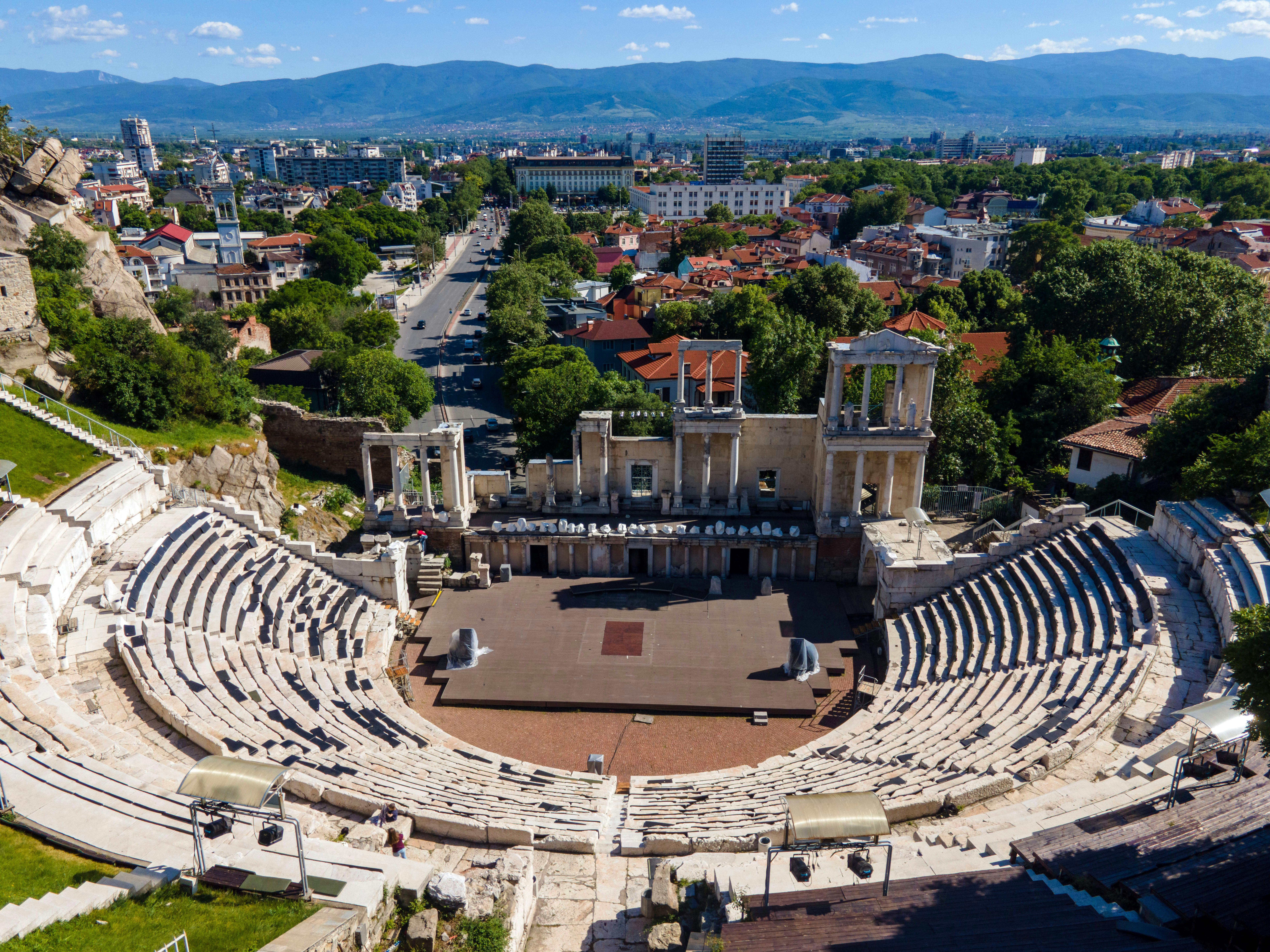
Plovdiv is one of Europe's oldest continuously inhabited cities — Thracian settlement, Macedonian conquest, Roman provincial capital, Byzantine stronghold, Ottoman trading city, and now Bulgaria's undisputed cultural hub. The 2nd-century Roman theatre carved into the hillside, the National Revival old town houses on three hills above the Maritsa River, and the regenerated Kapana arts quarter make Plovdiv a destination worthy of its own trip, not just a detour from Sofia.
Driving from Skopje to Plovdiv takes around 4 hours — significantly shorter than reaching Sofia and then driving another 150 km east.
Distance and Drive Time
Skopje to Plovdiv: approximately 370–400 km
Drive time: 4–5 hours including border crossing
Plovdiv to Sofia: 150 km | ~1.5 hours
These two cities are most efficiently combined — drive Sofia → Plovdiv or Plovdiv → Sofia as part of a Bulgaria loop.
The Route
Skopje to Plovdiv via Sofia (Recommended)
Skopje → Tabanovce/Deve Bair border → Sofia →
E80 motorway east → Plovdiv
Total: ~390 km | Drive time: ~4.5 hours | Borders: 1
The E80 motorway from Sofia to Plovdiv is excellent quality — 150 km of fast motorway through the Thracian Plain with views of the Rhodope Mountains.
Skopje to Plovdiv Direct (via Kulata border)
Skopje → Gevgelija → Kulata/Promachonas border (Greece) →
Serres (Greece) → Drama → Xanthi → Turkish border area →
NOT RECOMMENDED — this route adds 100+ km through Greece
The direct border crossing from North Macedonia into Greece and then northeast into Bulgaria adds time and complexity. The Deve Bair route to Sofia is faster.
Insurance: Green Card Zone 1
Bulgaria requires Green Card insurance — Zone 1 (€50 per rental), covering Bulgaria, Kosovo, Albania, Serbia, and Greece.
Documents at Deve Bair/Gyueshevo:
- Passport
- Driving licence
- Vehicle registration
- Green Card certificate
- Authorization letter from Relax Rent a Car
Bulgaria is an EU member state. EU citizens do not receive a passport stamp; non-EU travelers receive an entry stamp.
Vignette required: Buy a digital vignette at the border (or online at bgtoll.bg) before driving on Bulgarian motorways. Weekend: ~€5.50. Weekly: ~€10.
Plovdiv: What to See
Ancient Theatre of Philippopolis
The Roman theatre is Plovdiv's defining monument — a 2nd-century AD amphitheatre carved into the Nebet Tepe hill, still used for performances and opera. Seating capacity 6,000. The stage has been partly restored; the original marble seating is largely intact.
Access: Walking distance from the old town. Views from the theatre seats encompass the Rhodope Mountains to the south. Entry fee applies (small, well worth it).
Performances: The theatre hosts major concerts and events from May to October — international acts, opera, classical music. Check the program if visiting in summer.
Old Town (Stariyat Grad)
Plovdiv's old town sits on three hills (Nebet Tepe, Dzhambaz Tepe, Taksim Tepe) above the Maritsa River. The Bulgarian National Revival architecture — colourful merchant houses with projecting upper floors, carved wooden ceilings, and cobblestone streets — dates from the 18th–19th century.
Key sights:
- Hindliyan House — the most ornate of the merchant mansions, with painted ceilings depicting ports the owner traded in (Venice, Alexandria, Constantinople). Now a museum
- Balabanov House — elegant 19th-century house used as a cultural center; rotating exhibitions
- Djumaya Mosque — 15th-century Ottoman mosque in the city center, one of the oldest surviving in Bulgaria; still in use
- Ethnographic Museum — in a former merchant house on one of the hills; costume, crafts, and domestic life from the Ottoman and Revival periods
Practical: The cobblestone streets are steep and slippery when wet. The old town is pedestrianized from June to August; parking available below the hill.
Kapana (The Trap)
Kapana is Plovdiv's regenerated arts district — a compact area of former crafts workshops (the name means "the trap" in Bulgarian, referring to the confusing street layout) now filled with independent cafes, galleries, design studios, and bars.
Kapana was the centrepiece of Plovdiv's 2019 European Capital of Culture program. The district has retained its energy post-2019 and is the liveliest part of the city for an evening.
Best approach: Enter from the main pedestrian street (Kniaz Alexander I) — the transition from the commercial center to the Kapana lanes is immediate.
Tsar Simeon Garden and the New City
Below the old town, the Tsar Simeon Garden (1892) is Plovdiv's main park — a formal 19th-century layout with fountains, a bandstand, and mature plane trees. The musical fountain at the south end operates in evenings in summer.
The Kniaz Alexander I street (main pedestrian zone) connects the garden to the old town entrance. Lined with cafes, restaurants, and the Trimontium Princess Hotel (a 19th-century palace turned hotel, worth seeing even if you're not staying).
Rila Monastery Day Trip from Plovdiv
Rila Monastery is 115 km northwest of Plovdiv (1.5 hours). Founded in the 10th century by St. Ivan Rilski, Rila is Bulgaria's most visited attraction and a UNESCO World Heritage Site.
The painted exterior frescoes of the main church (Church of the Nativity, 1835) — depicting biblical scenes, saints, and demons in vivid colors — are among the finest examples of Bulgarian Orthodox fresco painting. The monastery museum holds medieval manuscripts and a famous wooden cross carved with 1,500 figures.
Practical: The monastery is open daily. Accommodation available in the monastery guesthouse if staying overnight. The approach road is through the Rila River gorge — scenic drive.
From Plovdiv to Rila: Head west toward Pazardzhik, then south toward Kocherinovo. Follow signs to the monastery. Entirely on good asphalt. Allow a full day: drive up, visit monastery, return.
3-Day Bulgaria Loop from Skopje
Day 1: Skopje to Sofia
Drive via Deve Bair border crossing. Afternoon in Sofia: Alexander Nevsky Cathedral, Rotunda of St. George, Vitosha Boulevard.
Day 2: Sofia to Plovdiv
Morning: Boyana Church (UNESCO, timed tickets required — book ahead at boyanachurch.org).
Drive to Plovdiv (1.5 hours). Afternoon: Roman Theatre, old town, Hindliyan House.
Evening: Kapana district.
Day 3: Rila Monastery + Return to Skopje
Morning: Drive Plovdiv → Rila Monastery (1.5 hours). Visit monastery (2–3 hours).
Afternoon: Drive back toward Sofia → Deve Bair → Skopje (3–3.5 hours).
Total day: ~7 hours driving + monastery visit.
Practical Information
Currency: Bulgarian Lev (BGN). 1 BGN ≈ 0.51 EUR — a fixed euro peg (Bulgaria is in ERM-II). ATMs widely available. Most Plovdiv establishments accept credit cards.
Parking in Plovdiv: Blue zone in the city center. Sofia Parking app covers Plovdiv too. ~1.5 BGN/hour. Free parking outside the blue zone in residential streets.
Speed limits in Bulgaria: Motorways 140 km/h, open roads 90 km/h, urban 50 km/h. Speed cameras widespread on E80.
Fuel: Good coverage throughout. Cheaper than North Macedonia.
Emergency: Police 166, Ambulance 150, Fire 160.
Recommended Vehicle
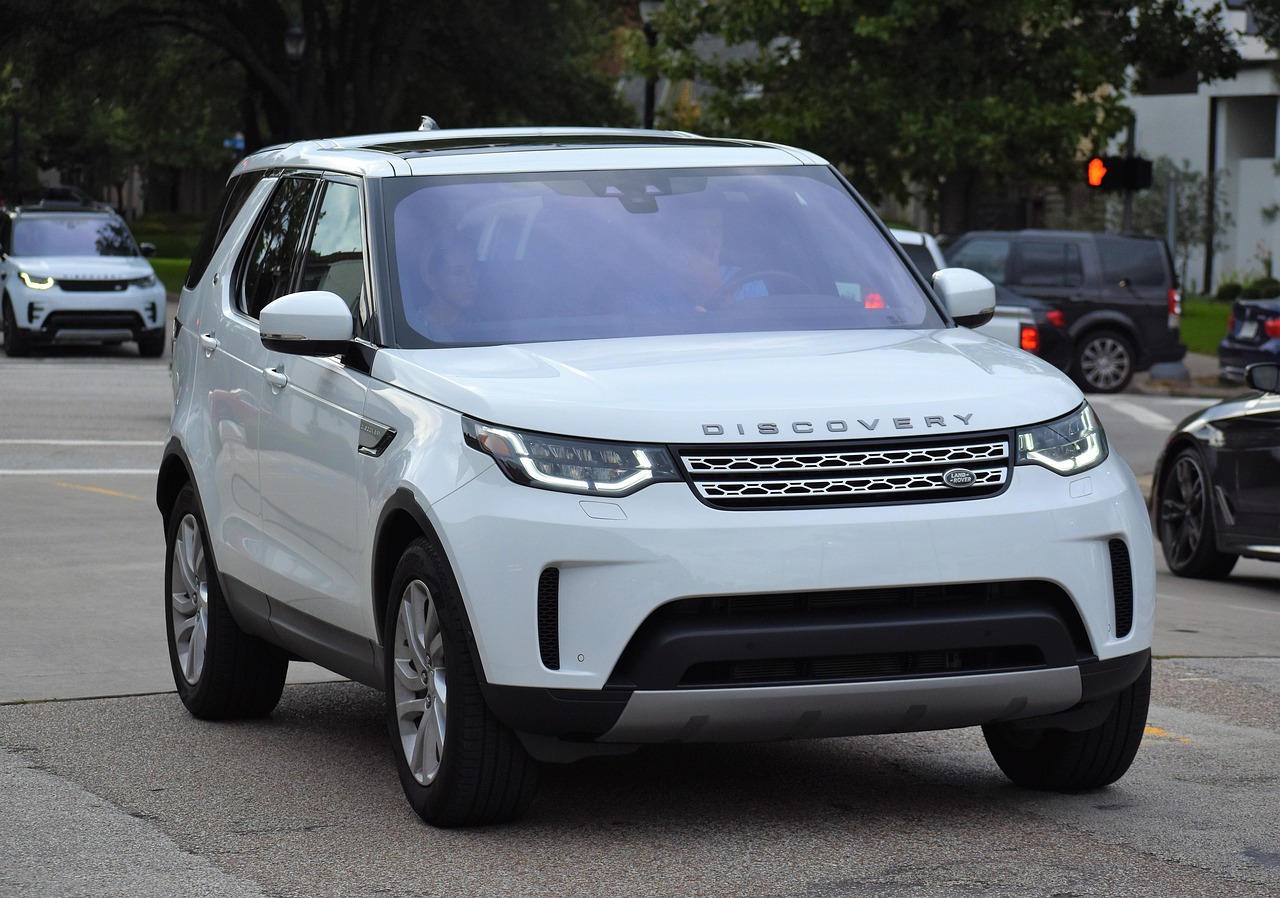
Any vehicle handles the Skopje–Plovdiv route. For the Rhodope Mountain detours or mountain roads to Rila Monastery, the Dacia Duster 4x4 provides comfort and ground clearance on narrower mountain roads.
Book Your Bulgaria Road Trip
Pick up at Skopje Airport with Green Card Zone 1 documentation. Write "Bulgaria/Plovdiv" in your booking notes.
Questions? Call or WhatsApp: +389 71 390 627
Quick reference
| Item | Detail |
|---|---|
| Company | Relax Rent a Car Skopje Airport (since 2001) |
| Pickup location | Skopje Alexander the Great Airport (SKP / LWSK) |
| Hours | 24/7, all flights |
| Payment | Cash (EUR/MKD), Visa, Mastercard |
| Deposit | €100 refundable at pickup (cash or card, no card hold) |
| Insurance | Third-party liability included; CDW €7/day optional (€200 excess); Full cover €15/day zero excess |
| VAT | 18% included in all prices |
| Phone / WhatsApp | +389 71 390 627 |
Frequently Asked Questions
How long is the drive from Skopje to Plovdiv? Approximately 4–5 hours covering 370–400 km. The most efficient route goes via the Deve Bair/Gyueshevo border crossing into Bulgaria, then northeast through Sofia and along the E80 motorway to Plovdiv (150 km east of Sofia).
Is Plovdiv worth visiting separately from Sofia? Yes. Plovdiv has a distinct character — the old town on three hills, the Roman theatre, and the Kapana arts district make it one of Bulgaria's most compelling cities. Many travellers find Plovdiv more atmospheric than Sofia. A combined Sofia–Plovdiv itinerary covers both with minimal backtracking.
How old is Plovdiv? Plovdiv is one of Europe's oldest continuously inhabited cities — human settlement dates back over 8,000 years. The city has been occupied by Thracians, Macedonians, Romans (as Philippopolis), Byzantines, Bulgarians, and Ottomans, each leaving architectural traces that coexist in the modern city.
Is the Roman Theatre in Plovdiv still used for performances? Yes. The Ancient Theatre of Philippopolis (2nd century AD) hosts concerts, opera performances, and cultural events from May to October. Check the program if visiting in summer — attending a performance at the theatre is one of Plovdiv's signature experiences.
What insurance is needed for Bulgaria? Green Card Zone 1 (€50 per rental) covers Bulgaria, Kosovo, Serbia, Albania, and Greece. Bulgaria is an EU member state. A digital vignette (€10 for one week) is required before driving on Bulgarian motorways — available at the border or online at bgtoll.bg.