Driving Through Tunnels in North Macedonia: Safety and Etiquette
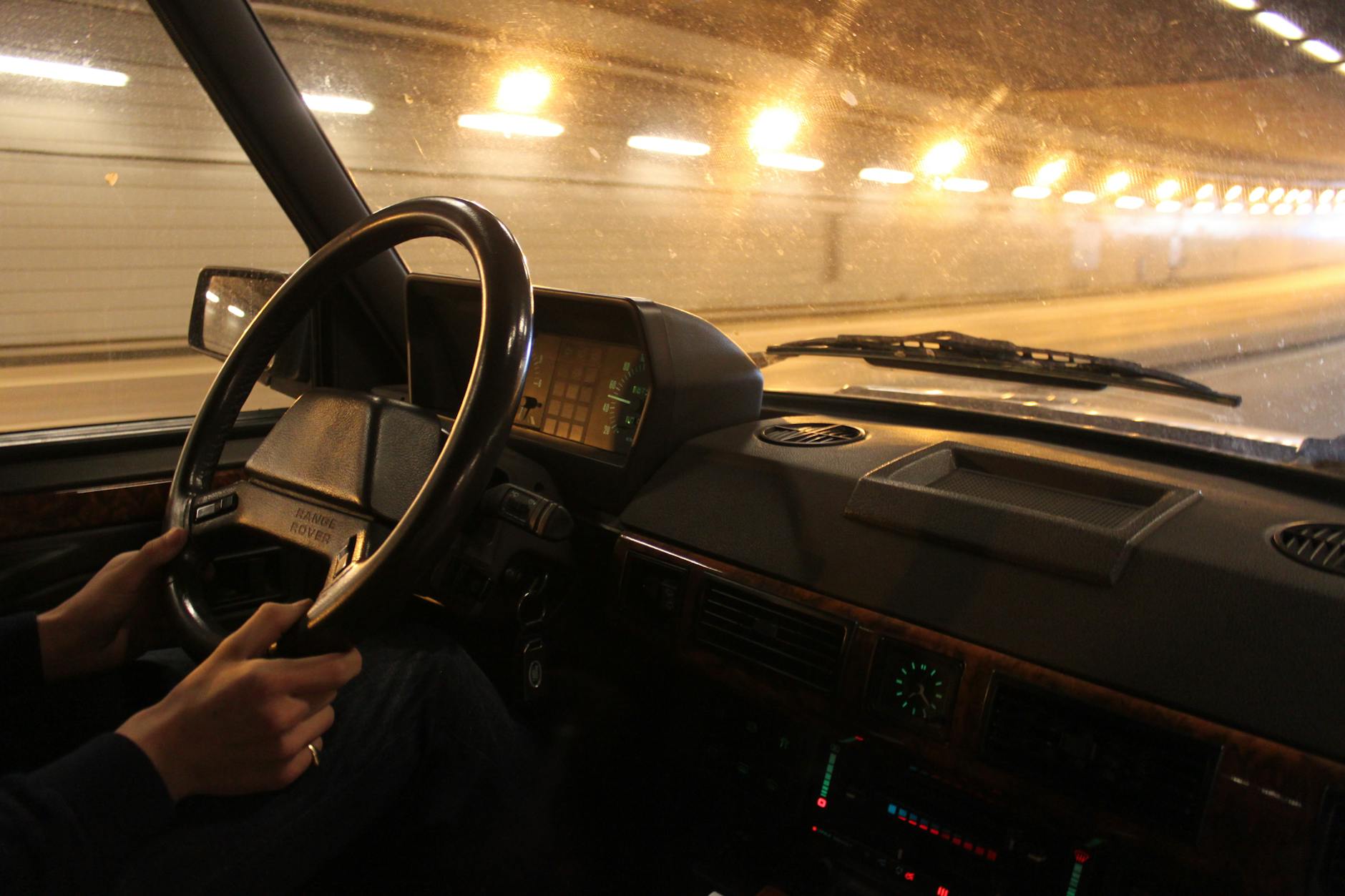
Planning a road trip across North Macedonia? You’ll likely find yourself traversing several tunnels, especially when exploring the country's diverse landscapes. Whether you rent a car Skopje Airport for a leisurely vacation or a business trip, understanding tunnel safety and local driving customs is paramount. Relax Rent a Car Skopje Airport is committed to ensuring your safety and enjoyment, so here's a comprehensive guide to navigating tunnels in North Macedonia.
North Macedonia's Tunnels: Landscape, Safety & Etiquette
North Macedonia’s geography is characterized by mountains and valleys. Consequently, tunnels are a vital part of the road network, connecting regions and shortening travel distances. These tunnels range from short, single-lane passages to longer, dual-lane routes. You'll find them particularly prevalent on routes like the A1 motorway connecting Skopje to Kumanovo and onwards to the Serbian border, and on roads leading to stunning destinations like Lake Ohrid.
Types of Tunnels You Might Encounter
- Short, Single-Lane Tunnels: These often require careful maneuvering and yielding to oncoming traffic.
- Longer, Dual-Lane Tunnels: While generally safer, maintaining a safe following distance and observing speed limits are still vital.
- Older Tunnels: Some tunnels may have limited lighting or ventilation. Be prepared for these conditions.
- Recently Constructed Tunnels: These benefit from modern features like improved lighting, ventilation, and emergency exits.
Safety Precautions Before Entering a Tunnel
Preparation is key to safe tunnel driving. Here's a checklist to follow before you enter:
- Check Your Lights: Ensure all headlights, taillights, and turn signals are functioning correctly. Darkness inside tunnels can reduce visibility significantly.
- Turn Off High Beams: This is a critical safety rule. High beams can blind oncoming drivers.
- Reduce Speed: Slow down before entering the tunnel. Sudden braking within the tunnel can be dangerous.
- Check Mirrors: Be aware of the traffic behind you and signal any lane changes.
- Know Your Route: Familiarize yourself with the tunnel's length and any potential exits.
Driving Etiquette and Emergency Procedures
Respecting local driving etiquette contributes to a safer experience for everyone.
General Etiquette
- Maintain a Safe Following Distance: Increased speed and reduced visibility necessitate a greater distance between vehicles.
- Avoid Sudden Maneuvers: Abrupt lane changes or braking can catch other drivers off guard.
- No Overtaking Unless Clearly Marked: Some tunnels prohibit overtaking. Pay close attention to signage.
- Be Prepared to Yield: In single-lane tunnels, be courteous and yield to oncoming traffic if necessary.
Specific Considerations for Single-Lane Tunnels
- Use Your Turn Signals: Clearly indicate your intentions to pull over or pass.
- Be Patient: Traffic can sometimes build up in single-lane tunnels. Remain calm and courteous.
- Flash Lights if Necessary: If you need to yield, flashing your headlights can signal your intention to oncoming drivers.
What to Do in Case of Emergency
Knowing how to react in an emergency is crucial.
Emergency Procedures
- Pull Over to the Side: If your vehicle breaks down, try to move it as far to the side of the tunnel as possible.
- Activate Hazard Lights: This will alert other drivers to your situation.
- Stay in Your Vehicle: Unless there's an immediate danger, it's generally safer to remain inside your vehicle with your seatbelt fastened.
- Call for Assistance: Dial 112 (the European emergency number) to report the emergency. Be prepared to provide your location.
Tunnel Emergency Exits
- Locate Emergency Exits: Familiarize yourself with the location of emergency exits along the tunnel route. Signs are usually clearly marked.
- Follow Instructions: If you need to evacuate, follow the instructions of emergency personnel.
Laws, Regulations and Renting a Car for Your Road Trip
- Speed Limits: Obey posted speed limits within tunnels – they are often lower than on open roads.
- Overtaking Restrictions: Heed signs indicating whether overtaking is permitted.
- Lighting Requirements: Always drive with your headlights on, even during daylight hours.
Renting a Car with Relax Rent a Car Skopje Airport
When you rent a car Skopje Airport with Relax Rent a Car, you gain access to a reliable fleet of vehicles suitable for all types of road trips. We offer economy, compact, SUV, and van options to meet your specific needs. Our cars are regularly maintained and equipped with modern safety features, ensuring a comfortable and secure driving experience. We can also provide additional driving advice for North Macedonia, ensuring you're well-prepared for your adventure.
Route reference
| Segment | Distance | Time | Notes |
|---|---|---|---|
| Skopje to Ohrid | 173 km | 2h 30 min | A2 motorway, fuel at Veles |
| Ohrid to Bitola | 79 km | 1h 30 min | Mountain pass, slow in winter |
| Skopje to Mavrovo | 79 km | 1h 30 min | Mountain road, snow chains Dec-Feb |
| Skopje to Pristina | 92 km | 1h 30 min | Green Card Zone 1 required |
| Skopje to Tirana | 295 km | 4h 30 min | Albania, Green Card Zone 2 |
| Skopje to Sofia | 245 km | 3h 30 min | Bulgaria, A4 motorway |
Frequently Asked Questions
What payment methods do you accept on arrival?
Cash in EUR (preferred) or MKD denars. Card (Visa, Mastercard) with a 1.5% processing fee. Bank transfer in advance (zero fees, settled 24-72 hours before pickup). American Express and Diners Club not accepted — Yandex / PayPal not supported on rental payments either.
Can I smoke in the rental?
No — strict non-smoking fleet. Smoking inside triggers a €100 cleaning fine to remove the odour from upholstery and ventilation. Vaping has the same rule. Smoking outside the car at a fuel stop or scenic stop is fine; just don't leave butts on the floor or in the door panels.
Are pets allowed in the rental car?
Yes, with a €30 one-off cleaning charge to cover post-rental detailing. Bring a pet blanket or boot liner to minimise hair on the upholstery. Crates / carriers fit comfortably in the boot of any category from economy upward. Service animals travel free with documentation.
What if I need roadside assistance?
Call +389 71 390 627 (24/7). Common issues: dead battery (jump-start in 30-90 min), flat tyre (spare in boot, free help), running out of fuel (we deliver 5L for €15 + fuel cost). Major mechanical failure: replacement vehicle dispatched within 2 hours during business hours, longer at night.
What's the process when I return the car?
Bring it to the agreed drop-off location at the agreed time. We check the fuel level (must match pickup), exterior condition, and interior cleanliness. Paperwork takes 5-10 minutes. If everything matches, no further charges. Any damage outside CDW excess is settled on the spot in cash or by card.
Quick facts
- Founded: 2001 (25+ years of local operation)
- Fleet size: 16 vehicles, 7 categories
- Starting price: €22/day winter monthly, €50/day winter d1
- VAT included: 18% baked into every displayed price
- Currency: EUR (cash or card) or MKD denars at pickup
- Languages: English, German, Albanian, Turkish, Macedonian
- Insurance: TPL included; Basic CDW €7/day (€200 excess), Premium €15/day (zero excess)
- Phone / WhatsApp: +389 71 390 627