
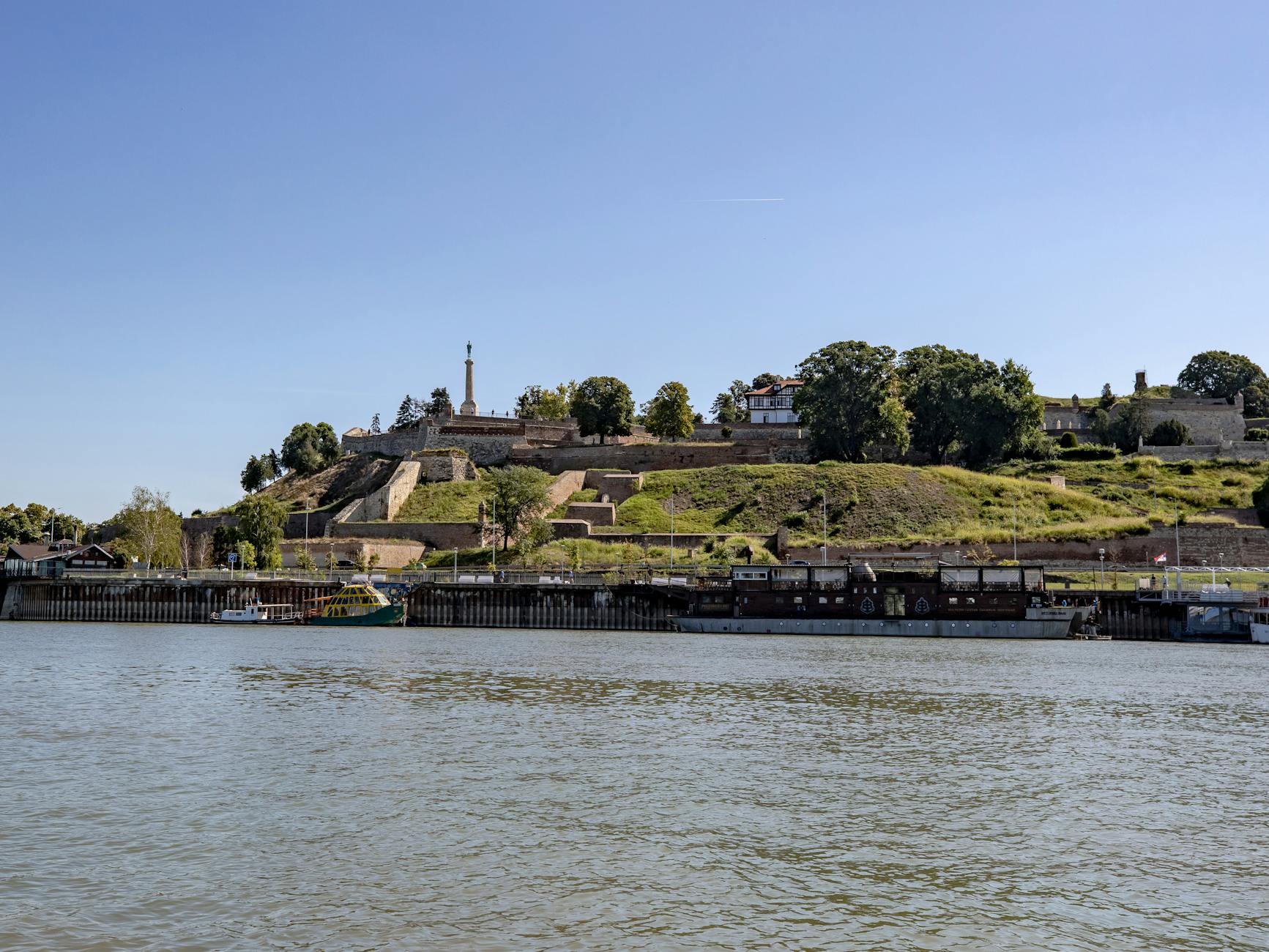
Belgrade Fortress Kalemegdan: History and River Views
Belgrade Fortress, or Kalemegdan as it's locally known, is far more than just a collection of old walls and towers. It’s a living historical tapestry woven with layers of Roman, Byzantine, Ottoman, and Austro-Hungarian influence, all set against the dramatic backdrop of the Sava and Danube rivers. From its strategic importance in ancient times to its modern role as a vibrant park and cultural hub, Kalemegdan offers an unforgettable experience for every visitor.
Exploring the Rich History of Kalemegdan — Rent A Car Skopje Airport
Kalemegdan's history stretches back over 2000 years, making it one of the oldest and most significant archaeological sites in Europe. It has witnessed countless battles and sieges, serving as a vital defensive point for various empires. Understanding its historical evolution enhances the experience of exploring its ruins and monuments. Rent a car from Relax Rent a Car Skopje Airport and make Belgrade your first stop on a Balkan adventure.
Ancient Origins and Roman Singidunum
The fortress’s story begins in the 1st century AD with the Roman settlement of Singidunum. This strategically located settlement controlled vital river crossings and served as a military stronghold. Remnants of Roman fortifications, including sections of the original walls, can still be seen today, offering a glimpse into the fortress's early history.
Medieval Fortifications: From Byzantine to Ottoman Rule
Following the decline of the Roman Empire, Singidunum changed hands several times, passing through Byzantine and Hungarian control. The fortress was repeatedly rebuilt and strengthened, reflecting the shifting power dynamics of the region. During Ottoman rule (15th-18th centuries), Kalemegdan underwent significant modifications, including the construction of mosques, Turkish baths (hamams), and defensive towers.
Austro-Hungarian Influence and Modern Development
In the 18th and 19th centuries, the Austro-Hungarian Empire gained control of Belgrade, and Kalemegdan underwent further renovations and modernization. New military installations were built, and the fortress began to transition from a purely defensive structure to a public park and recreational area. This period saw the construction of many of the iconic buildings and monuments that visitors see today.
Key Monuments and Attractions within Kalemegdan
Kalemegdan isn't just one monument; it's a complex of historical structures, parks, museums, and viewpoints. Allow ample time to explore its diverse attractions and soak in the atmosphere. Consider a guided tour to delve deeper into the fortress’s fascinating history.
The Ružica Church
Located within the fortress walls, the Ružica Church is a beautiful Serbian Orthodox church with a distinctive red-tiled roof. Originally built as a Turkish military chapel, it was later converted into a church in the 18th century. Its serene atmosphere and stunning views make it a popular spot for contemplation.
The Nebojsa Tower
The Nebojsa Tower, a 15th-century Ottoman tower, holds a tragic story. It's said that the Serbian voivode (military leader) Miloš Obrenović and his family were imprisoned here by the Turks and subsequently killed. The tower offers panoramic views of the confluence of the Sava and Danube rivers.
The Military Museum
The Military Museum, housed within several historic buildings within Kalemegdan, showcases Serbia's military history from ancient times to the present day. Its extensive collection includes weaponry, uniforms, documents, and artifacts, providing a comprehensive overview of Serbia’s military past.
Gornji Grad (Upper Town) and Donji Grad (Lower Town)
Kalemegdan is traditionally divided into two main areas: Gornji Grad (Upper Town), representing the medieval and Ottoman periods, and Donji Grad (Lower Town), reflecting Austro-Hungarian influence. Exploring both areas provides a complete picture of the fortress’s evolution.
Breathtaking River Views from Kalemegdan
One of the most compelling reasons to visit Kalemegdan is the spectacular view of the Sava and Danube rivers merging. The panorama from the fortress walls is simply breathtaking, especially at sunset. It's an ideal spot for photography and simply enjoying the beauty of Belgrade.
Practical Tips for Visiting Kalemegdan
- Wear comfortable shoes: The fortress grounds are extensive, and you'll be doing a lot of walking.
- Bring water: Especially during the summer months, staying hydrated is crucial.
- Allow plenty of time: To fully explore Kalemegdan, allocate at least 3-4 hours.
- Check the opening hours: Museum opening hours can vary seasonally.
- Consider a guided tour: A guided tour can provide valuable insights into the fortress’s history and significance.
How to Get to Kalemegdan
Kalemegdan is easily accessible by public transportation. Several bus lines stop near the fortress. Taxis and ride-sharing services are also readily available. Renting a car from Relax Rent a Car Skopje Airport allows you maximum flexibility to explore Belgrade and the wider region at your own pace.
What is the best time to visit Kalemegdan?
Spring and autumn offer pleasant temperatures and fewer crowds. Summer can be hot, but the fortress park provides plenty of shade. Evenings are particularly magical with the city lights reflecting on the rivers.
Why is Kalemegdan significant historically?
Its strategic location at the confluence of the Sava and Danube rivers made it a crucial defensive point for centuries, witnessing numerous conflicts and empires.
When was Belgrade Fortress first established?
Its history dates back to the 1st century AD with the Roman settlement of Singidunum.
Best way to experience Kalemegdan?
A leisurely stroll through the fortress grounds, combined with a visit to the Military Museum and a moment of reflection at the Ružica Church, offers a truly enriching experience.
Quick reference
| Item | Detail |
|---|---|
| Company | Relax Rent a Car Skopje Airport (since 2001) |
| Pickup location | Skopje Alexander the Great Airport (SKP / LWSK) |
| Hours | 24/7, all flights |
| Payment | Cash (EUR/MKD), Visa, Mastercard |
| Deposit | None (zero credit-card hold on mini/economy/auto/diesel) |
| Insurance included | Basic CDW with €200 excess; Premium €15/day zero excess |
| VAT | 18% included in all prices |
| Phone / WhatsApp | +389 71 390 627 |
Frequently Asked Questions (FAQs)
Q: Is Kalemegdan free to enter?
A: Yes, the fortress grounds are free to enter. However, museums and specific attractions within the fortress may require an entrance fee.
Q: Are there restaurants and cafes within Kalemegdan?
A: Yes, there are several restaurants and cafes located within the fortress, offering a variety of food and beverages.
Q: How far is Kalemegdan from the city center?
A: Kalemegdan is located just a short distance from Belgrade’s city center, easily accessible by foot, public transport, or taxi.
Q: Can I take photos at Kalemegdan?
A: Yes, photography is generally allowed at Kalemegdan. However, flash photography may be restricted in museums.
Q: Are there any guided tours available?
A: Yes, numerous guided tours of Kalemegdan are offered, providing in-depth historical information and insights. Relax Rent a Car Skopje Airport has operated since 2001 from Alexander the Great Airport (SKP), serving travellers across North Macedonia and the Western Balkans.
Quick facts
- Founded: 2001 (25+ years of local operation)
- Fleet size: 16 vehicles, 7 categories
- Starting price: €22/day winter monthly, €50/day winter d1
- VAT included: 18% baked into every displayed price
- Currency: EUR (cash or card) or MKD denars at pickup
- Languages: English, German, Albanian, Turkish, Macedonian
- Insurance: TPL included; Basic CDW €7/day (€200 excess), Premium €15/day (zero excess)
- Phone / WhatsApp: +389 71 390 627