Thessaloniki is Greece's second city and one of the most historically layered urban environments in the Mediterranean. Founded in 315 BC, it has been a Roman provincial capital, a Byzantine city of the first rank, an Ottoman administrative centre, and a multi-ethnic port city. The museums and monuments here represent this depth seriously — several are among the finest in Greece. From Skopje, it is under two hours by car.
For the driving route and border crossing information, see our Skopje to Thessaloniki day trip guide.
The Major Museums
Archaeological Museum of Thessaloniki
The most important archaeological museum in northern Greece. The collection spans prehistory to late antiquity, with the standout section being the finds from the royal Macedonian tombs at Vergina (ancient Aigai) — the burial site of Philip II, father of Alexander the Great.
The gold items from Vergina are extraordinary: a golden larnax (casket) containing burned bones, an elaborate gold oak wreath with 313 leaves and 68 acorns, a gold quiver, ivory furniture inlays depicting royal portraits, and a range of weapons and vessels. The quality and quantity of gold is unlike anything most museum visitors have encountered. The human bones in the larnax are widely believed to be Philip II's, based on the healed wound on the skull matching historical accounts of Philip's eye injury.
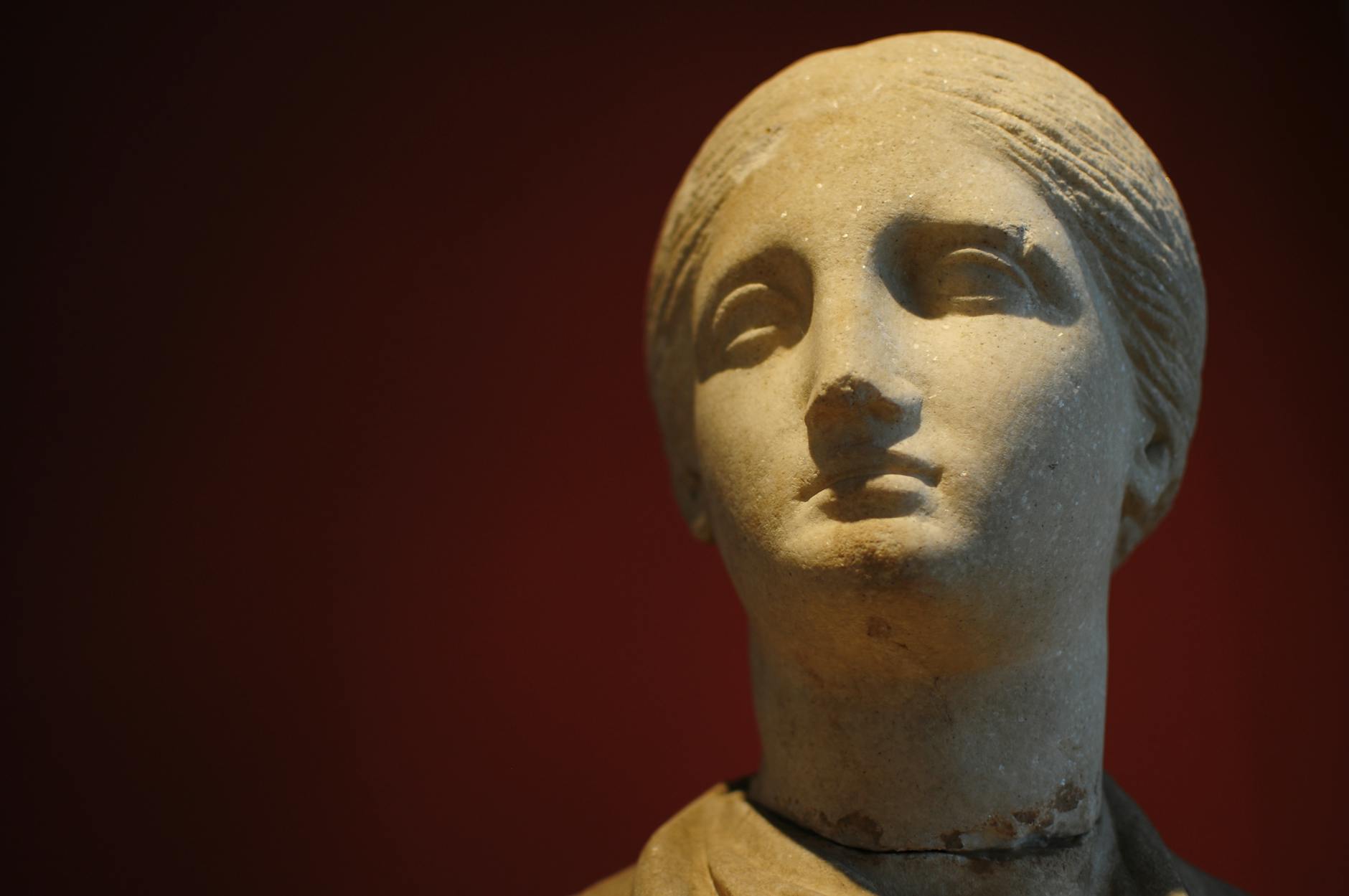
Beyond Vergina, the museum holds excellent prehistoric collections from the Neolithic settlements of northern Greece, Hellenistic sculpture, and a strong Roman section from the city's imperial period.
Location: Manoli Andronikou 6, 500m from the White Tower.
Hours: Daily 08:30–15:30 (winter), 08:00–20:00 (summer).
Entry: €8 full price, reduced for EU students.
Time needed: 2–3 hours minimum.
Museum of Byzantine Culture
Dedicated exclusively to Byzantine civilization from the 4th to 15th centuries. Thessaloniki was the second city of the Byzantine Empire and its museums reflect this status. The permanent collection covers: early Christian burial and funerary art, wall painting and mosaic fragments, textiles, metalwork, ivory carvings, and manuscript illuminations.
The presentation is unusually thoughtful — rooms are themed thematically rather than purely chronologically, covering topics like daily life, trade, death and mourning, and artistic production. The mosaic reconstruction room, showing how Byzantine mosaics were made and repaired, is particularly interesting.
Location: Stratou 2, adjacent to the Archaeological Museum.
Hours: Monday 13:30–21:00, Tuesday–Sunday 08:30–15:30.
Entry: €6, combined ticket with Archaeological Museum available.
Time needed: 1.5–2 hours.
White Tower (Lefkos Pyrgos)
The most recognisable landmark of Thessaloniki. A 15th-century Ottoman fortification tower standing on the waterfront, built after the Ottoman conquest of the city in 1430. It served various functions under Ottoman rule including as a prison and later as a garrison. The Ottomans painted it white as part of an agreement — hence the name. Inside, it functions as a museum of Byzantine and post-Byzantine Thessaloniki.
The tower has six floors connected by an interior spiral staircase. Ground floor: history of the tower and its changing functions. Upper floors: Byzantine icons, pottery, and artifacts from the city. The top terrace provides panoramic views over the Thermaic Gulf and the city.
Location: Nikis Avenue on the waterfront.
Hours: Monday 13:30–21:00, Tuesday–Sunday 08:30–15:30.
Entry: €4.
Time needed: 45 minutes to 1 hour.
Jewish Museum of Thessaloniki
Among the most historically significant small museums in Greece. Thessaloniki was for centuries the largest Sephardic Jewish city in the world — the population expelled from Spain in 1492 settled here and built a community of 80,000 by the early 20th century. In March 1943, the German occupation deported the entire Jewish community to Auschwitz. Fewer than 2,000 of the original 80,000 survived.
The museum traces 500 years of Sephardic Jewish life in the city: commerce, language (Ladino, the Judeo-Spanish vernacular), religious practice, and cultural contribution. The final section covers the 1943 deportations with documentary evidence and survivor testimony. It is a quiet, careful museum that asks visitors to understand both the depth of the community and the completeness of its destruction.
Location: Agiou Mina 13, city centre.
Hours: Monday–Friday 11:00–14:00 and some afternoons. Call ahead to confirm.
Entry: Free.
Time needed: 45 minutes.
Museum of Photography
Housed in the historic customs warehouse (Teloglion) on the port, this is Greece's national photography museum. The permanent collection covers Greek documentary and artistic photography from the 19th century to the present. Temporary exhibitions are frequently world-class — the museum hosts travelling international photography exhibitions alongside Greek work.
Location: Warehouse A, Port of Thessaloniki.
Hours: Tuesday–Friday 11:00–19:00, Saturday–Sunday 11:00–15:00. Closed Monday.
Entry: €3, free for under 21.
Time needed: 1 hour.
UNESCO World Heritage: Early Christian and Byzantine Monuments
Eight Thessaloniki monuments are UNESCO-listed as a single property. These are churches and a rotunda rather than museums, but they contain some of the finest surviving Byzantine mosaics in the world. Entry is free or low-cost.
Rotunda of Galerius (Rotonda): Built as a mausoleum for the Roman Emperor Galerius in the early 4th century, later converted to a church. The interior dome contains extraordinary 4th-century mosaics. Open daily, free.
Church of Hagios Demetrios: The patron saint of Thessaloniki. A large 5th-century basilica heavily rebuilt after a 1917 fire. The surviving mosaics in the nave alcoves are the finest early Byzantine mosaics accessible without a museum ticket in Greece.
Hagios Georgios, Hagia Sophia: Other significant Byzantine churches in the city centre, all free to enter.
Practical Notes for Day Trippers from Skopje
- How long do you need? For the two main museums (Archaeological + Byzantine Culture) plus a walk to the White Tower: minimum 4 hours. To add the Old Town, the port area, and lunch: a full day.
- Combined tickets: A combined ticket for the Archaeological Museum and Museum of Byzantine Culture is available at either museum and offers a small saving.
- Parking: Underground car parks near the port (the Makedonomachon parking) are easier than street parking in the centre.
- Best timing: Museums open from 08:30. Arrive at 09:00, visit the Archaeological Museum first (the gold takes time), lunch at the Kapani market area, Byzantine Culture Museum in the afternoon.
To rent a car at Skopje Airport for this day trip, book here.
Route reference
| Segment | Distance | Time | Notes |
|---|---|---|---|
| Skopje to Ohrid | 173 km | 2h 30 min | A2 motorway, fuel at Veles |
| Ohrid to Bitola | 79 km | 1h 30 min | Mountain pass, slow in winter |
| Skopje to Mavrovo | 79 km | 1h 30 min | Mountain road, snow chains Dec-Feb |
| Skopje to Pristina | 92 km | 1h 30 min | Green Card Zone 1 required |
| Skopje to Tirana | 295 km | 4h 30 min | Albania, Green Card Zone 2 |
| Skopje to Sofia | 245 km | 3h 30 min | Bulgaria, A4 motorway |
Frequently Asked Questions
What is the most important museum in Thessaloniki? The Archaeological Museum of Thessaloniki is the city's most significant collection. The undisputed highlight is the Vergina gold — royal burial finds from ancient Aigai, including the gilded larnax (bone casket) bearing the Macedonian star emblem, believed to be the tomb of Philip II, father of Alexander the Great. No other museum in the world holds comparable Macedonian royal artefacts.
Is the Museum of Byzantine Culture good in Thessaloniki? Yes — it is one of the finest Byzantine museums anywhere. The collection is arranged chronologically through 14 galleries, covering early Christian art through late Byzantine icons, frescoes, manuscripts, and liturgical objects. The museum won the Council of Europe Museum Prize in 2005. English labelling is excellent throughout.
How far is Thessaloniki from Skopje? Approximately 175 km via the A2/E75 motorway, around 2 hours by car. The border crossing is at Gevgelija/Evzonoi. Thessaloniki is the most popular day trip from Skopje and easily done in a single day — museums open at 08:00 or 09:00 and close at 15:00 or 20:00 depending on the site.
Do Thessaloniki museums require advance booking? The Archaeological Museum and Museum of Byzantine Culture do not generally require advance booking except at peak summer. The White Tower tickets can be purchased on arrival. In July–August, arriving early (before 10:00) avoids the main crowds. Free entry to state museums is offered on the first Sunday of each month (October–March).
What is the entry fee for Thessaloniki museums? Entry to the Archaeological Museum costs €12 for adults (or covered by a combination ticket). The Museum of Byzantine Culture is €8. The White Tower is €4. A combination ticket covering multiple sites is available and offers better value for a full day of museum visiting.