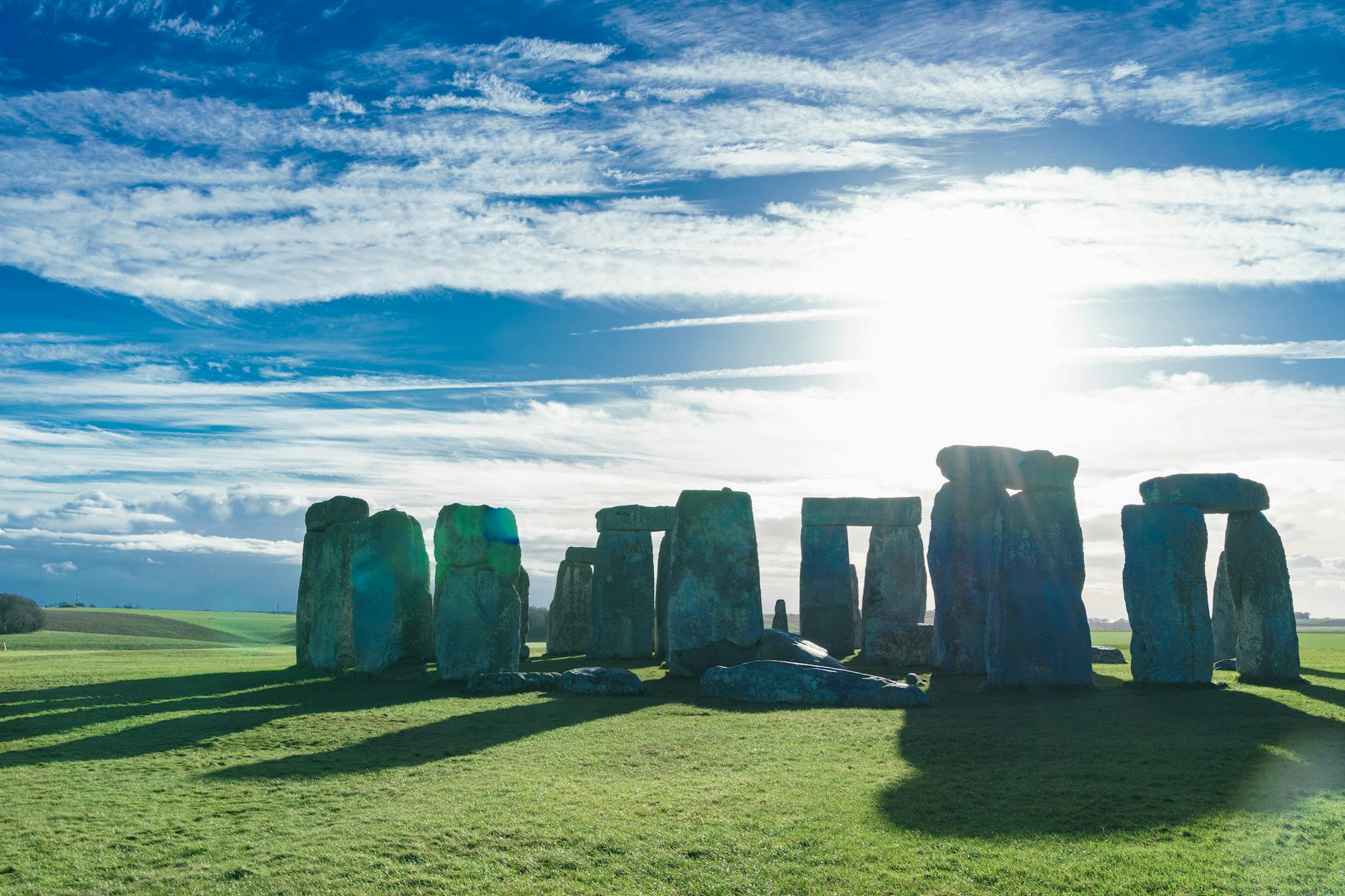
Perched atop a volcanic hill at 1,013 meters elevation, Kokino stands as one of humanity's oldest astronomical observatories — and one of the most impressive. Dating back to the Bronze Age (around 1800 BC), this ancient megalithic site is contemporaneous with the final stages of Stonehenge and rivals the world's most sophisticated early astronomical installations.
International Recognition and Discovery
NASA has recognized Kokino as one of the most important ancient observatories in the world — ranking it among the top ancient astronomical sites globally. North Macedonia has submitted it as a candidate for UNESCO World Heritage listing. The site was discovered in 2001 by local archaeologist Jovica Stankovski; excavations continued from 2001 to 2007 and completely changed the understanding of Bronze Age civilizations in the Balkans.
The Observatory Complex
The site consists of several precisely engineered elements working together. A carved stone throne faces the horizon and marks the exact observation point for the chief astronomer or priest. Four stone markers are positioned with precision to align with the sunrise and sunset at the solstices and equinoxes and to track lunar cycles. Two carved observation seats provide optimal viewing angles and are designed for the comfort required during long night observations.
How the astronomy worked: The ancient observers used straightforward but highly effective methods. Fixed marker stones were placed at precise angles; the observer sat in the throne facing the marker; and on key dates, celestial bodies would align exactly with the markers on the horizon. Shadow effects from the sun on carved surfaces confirmed the alignment. On the summer solstice, for example, the sun rises directly behind the easternmost marker when viewed from the throne — signaling the longest day and the start of summer. The site tracked the full 19-year Metonic lunar cycle to predict eclipses and calibrate an agricultural calendar for planting, harvest, religious ceremonies, and community gatherings.
The archaeological settlement: Beyond the astronomical apparatus, Kokino was a fortified acropolis with stone walls enclosing the summit, living quarters for the astronomer-priests, and storage facilities. Ceremonial platforms, fire pits, and offering altars have been identified. Artifacts excavated from the site span a wide range: Bronze Age ceramics bearing evidence of long-distance trade; bronze implements, grinding stones, and observation instruments; and bronze swords, daggers, arrowheads, and defensive equipment.
Visiting Kokino
Location and access: Kokino is near Staro Nagoričane in northeast Macedonia, at coordinates 42.1567° N, 21.9531° E — 75 km from Skopje (1.5 hours) and 35 km from Kumanovo (45 minutes). By car, a mountain road leads to a free dirt parking lot at the base of the hill; the last 5 km is unpaved but passable by regular vehicles at low speed. The final approach from the parking area is a 15-minute uphill walk. By public transport, buses run to Staro Nagoričane with limited service, from where a taxi is needed; organized tours from Skopje are also available. There is no entrance fee. Guided tours can be arranged through the Kumanovo tourist office.
Hiking to the summit: The trail from the parking area is 1.5 km with 150 meters of elevation gain, rated moderate, and takes 20–30 minutes. The path is steep in sections and rocky throughout with no shade — bring sun protection. Wear sturdy hiking boots and a wind jacket, as the exposed hilltop is breezy even on warm days.
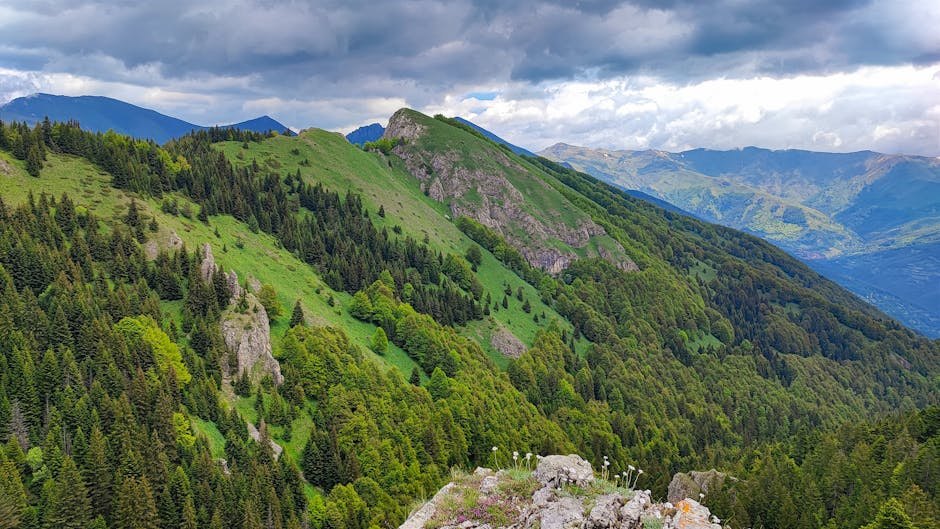
Photography: The best subjects are the throne with its panoramic backdrop, the marker stone alignments, and the dramatic hilltop setting with views to distant peaks. Shoot at golden hour for landscape; plan around solstice dates for alignment photos; and arrive on clear days for the longest views.
The solstice experience: June 21 (Summer Solstice) draws early-morning gatherings to watch the sunrise align perfectly with the markers, sometimes with archaeological events organized at the site — this is the single best time to understand what the observatory was built for. December 21 (Winter Solstice) brings a dramatic sunrise from the southeast with smaller crowds and highly atmospheric conditions.
Nearby Attractions
Kokino pairs well with several nearby sites. Staro Nagoričane (20 minutes) has the 14th-century Church of St. George with exceptional medieval frescoes in a traditional village setting. Kumanovo (45 minutes) offers a historical museum, old town architecture, and traditional restaurants. Osogovo Monastery (1 hour) is a 12th-century active monastery in a beautiful mountain setting.
Why Kokino Matters
Kokino demonstrates that Bronze Age Balkan civilizations possessed advanced astronomical knowledge — precise understanding of celestial movements — along with the engineering skills to position heavy stones with accuracy, the social organization to marshal resources for building and maintaining the observatory, and a scientific tradition strong enough to preserve and transmit that knowledge across generations. The site challenges assumptions about "primitive" ancient peoples, showing sophisticated scientific achievement 3,800 years ago.
Practical notes: There are no restrooms at the site, no water source, and limited or no cell service in some areas. Bring at least 1 liter of water, snacks, sunscreen, a hat, a charged camera, and a warm layer — the exposed hilltop is cool even in summer. Weather varies significantly: summer brings intense sun with little shade; winter may make the road impassable; spring and autumn offer the most comfortable visiting conditions. Accommodation options are in Kumanovo (Hotel Kumanovo 3-star plus guesthouses, 45 minutes away) or Skopje for those making it a day trip (1.5 hours).
Standing at the ancient throne, watching the sun rise behind the same markers used by Bronze Age astronomers 3,800 years ago, creates an unforgettable connection to humanity's earliest scientists. Kokino isn't just an archaeological site — it's proof of our enduring desire to understand the cosmos.
Recommended: Combine with a rental car to explore northeast Macedonia's other hidden treasures at your own pace.
Quick reference
| Item | Detail |
|---|---|
| Company | Relax Rent a Car Skopje Airport (since 2001) |
| Pickup location | Skopje Alexander the Great Airport (SKP / LWSK) |
| Hours | 24/7, all flights |
| Payment | Cash (EUR/MKD), Visa, Mastercard |
| Deposit | None (zero credit-card hold on mini/economy/auto/diesel) |
| Insurance included | Basic CDW with €200 excess; Premium €15/day zero excess |
| VAT | 18% included in all prices |
| Phone / WhatsApp | +389 71 390 627 |
Frequently Asked Questions
How do I get to Kokino Observatory from Skopje? Drive northeast on the A3 motorway toward Kumanovo (40 km, 35 minutes). From Kumanovo, continue northeast toward Kratovo, then turn north toward Staro Nagoričane. Kokino village is 6 km further — the last 3 km is unpaved but manageable in any car at low speed. Total: 75 km, approximately 1.5 hours.
Is the unpaved road to Kokino passable in a standard car? Yes. The unpaved section (3 km) is a graded dirt track, not a rocky trail. Standard economy cars (Hyundai i10, Opel Corsa) handle it without issue in dry conditions. After rain, the surface becomes muddy — a higher-clearance vehicle is advisable. In winter, the road may be impassable.
Is there a guided tour of Kokino? The site has an information board and sometimes a site custodian in summer. There are no regularly scheduled guided tours at the site itself. The National Museum in Kumanovo organizes occasional guided excursions — check in advance. Most visitors explore independently.
How long should I allow for a Kokino visit? 1.5 to 2 hours at the site is sufficient to explore the main astronomical markers, the viewing platforms, and the surrounding landscape. The walk from the car park to the main observatory area is 10-15 minutes uphill.
What is the best time to visit? The site is most rewarding at sunrise (when the solar markers cast aligned shadows) and around the summer and winter solstices (June 21, December 21) when ancient alignment events are visible. A clear morning at any time of year is worthwhile.
More day trips from Skopje: Best day trips from Skopje | Matka Canyon | Museum of Macedonia