
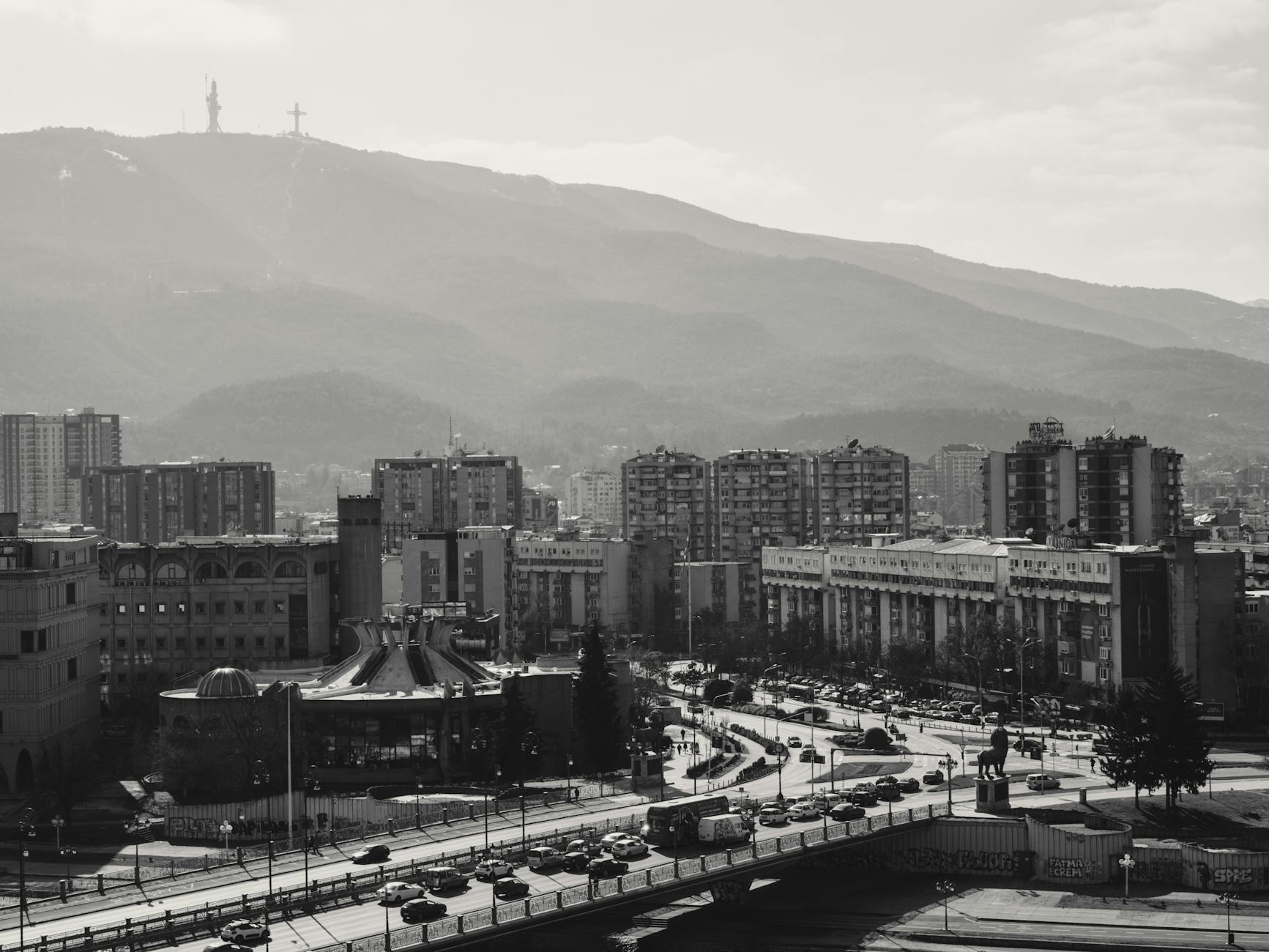
Driving in Skopje City Centre: One-Way Streets and Traffic Rules
Ready to explore North Macedonia after you rent a car Skopje Airport? Skopje, the vibrant capital, offers a rich blend of history, culture, and modern life. However, navigating its city centre can be a bit tricky, especially for first-time visitors. The city's layout is characterized by a dense network of one-way streets and specific traffic rules that require careful attention. Relax Rent a Car Skopje Airport is here to guide you through the intricacies of driving in Skopje, ensuring a safe and enjoyable experience.
Understanding Skopje’s One-Way Street System
One of the biggest challenges for drivers in Skopje is the prevalence of one-way streets. Many central areas are designed solely for traffic flowing in one direction. These are clearly marked with signs displaying a white arrow indicating the permitted direction of travel. It's crucial to pay close attention to these signs to avoid illegal turns and potential fines.
Common One-Way Street Patterns
- Linear One-Way Streets: These are straightforward – traffic flows in a single, continuous direction.
- Interconnected One-Way Systems: Often, several one-way streets intersect, creating a grid-like pattern. Careful planning and navigation apps are highly recommended to avoid confusion.
- Unexpected One-Way Changes: Be aware that one-way directions can sometimes change during peak hours or for special events. Always double-check signage.
Navigation Tools are Your Friend
Given the complexity of Skopje’s one-way system, relying on navigation tools is highly recommended. GPS devices and smartphone apps like Google Maps or Waze are invaluable for route planning and real-time traffic updates. Ensure your device has the latest map data for accurate directions.
Key Traffic Rules and Regulations in Skopje
Beyond the one-way streets, understanding general traffic rules is vital for safe driving. Here’s a breakdown of essential regulations:
Speed Limits
- Urban Areas (City Centre): 50 km/h (31 mph) – strictly enforced.
- Residential Areas: 30 km/h (19 mph).
- Highways: 100-130 km/h (62-81 mph), depending on the specific road.
Always observe posted speed limit signs, as they override general limits.
Right of Way
- North Macedonia generally follows the right-hand rule at intersections. Vehicles entering an intersection have the right of way over those already within it.
- At roundabouts, traffic already circulating has priority. Enter only when it is safe to do so.
Parking Regulations
- Paid Parking Zones: Many areas in the city centre have paid parking zones, indicated by blue or yellow lines and parking meters. Be sure to purchase a ticket and display it clearly on your dashboard.
- Free Parking: Limited free parking is available, but it’s often in high demand. Look for designated ‘P’ symbols.
- No Parking Zones: Red lines indicate no parking zones. Parking in these areas will result in fines and potentially towing.
- Disabled Parking: Reserved for vehicles displaying valid disabled parking permits.
Other Important Rules
- Seat Belts: Mandatory for all passengers.
- Mobile Phone Use: Using a mobile phone while driving is prohibited unless using a hands-free device.
- Headlights: Headlights must be used during daylight hours, particularly on highways and in tunnels.
- Drinking and Driving: The legal blood alcohol limit is 0.5‰ (0.5 grams per liter of blood). Strict enforcement and severe penalties apply.
Dealing with Skopje Traffic
Skopje traffic can be heavy, particularly during rush hour (typically 7:00-9:00 AM and 4:00-7:00 PM). Here are some tips for navigating it:
Rush Hour Strategies
- Avoid Peak Times: If possible, plan your travel outside of rush hour.
- Utilize Alternate Routes: Navigation apps can help you find less congested routes.
- Be Patient: Traffic delays are common. Stay calm and allow extra time for your journey.
Pedestrian Crossings
- Always yield to pedestrians crossing the road, even at crosswalks.
- Be particularly cautious of pedestrians who may not always adhere to traffic signals.
Road Conditions
- While major roads are generally well-maintained, be aware that some side streets and older areas may have uneven surfaces or potholes.
- During winter, roads can be icy or snow-covered. Drive cautiously and consider using snow tires if necessary.
Renting a Car with Relax Rent a Car Skopje Airport
When you rent a car Skopje Airport with Relax Rent a Car, you gain access to a modern fleet of vehicles, including economy, compact, SUV, and van options to suit your needs. We provide reliable service and competitive rates. Start your North Macedonian adventure with confidence, knowing you have a dependable vehicle and the knowledge to navigate Skopje's roads safely. We’re committed to making your car rental experience as smooth as possible.
Distances from Skopje by car
| Destination | Distance | Drive time | Road type |
|---|---|---|---|
| Skopje Airport (SKP) | 21 km | 25 min | A1 motorway |
| Matka Canyon | 17 km | 25 min | Paved single-carriageway |
| Ohrid | 173 km | 2h 30 min | A2 motorway |
| Bitola | 169 km | 2h 15 min | A2 + R-roads |
| Tetovo | 41 km | 35 min | A1 motorway |
| Kosovo border (Blace) | 23 km | 25 min | A1 motorway |
| Pristina | 92 km | 1h 30 min | A1 + R-roads |
Frequently Asked Questions
What's the speed limit between cities?
Motorways: 130 km/h. Two-lane rural roads: 80 km/h. Towns and villages: 50 km/h. Many cities have 30 km/h zones in residential areas. Speed cameras are common on the A1 (Skopje-Kumanovo) and A2 (Skopje-Tetovo-Gostivar). Fines are €40-200 paid at the next police station.
Can I rent a 4x4 for mountain roads?
Yes — Dacia Duster 4x4 Diesel at €70/day winter. Recommended for unpaved access roads to remote monasteries (Tikveš, Treskavec), winter trips to Mavrovo ski resort, or off-the-grid hikes near Pelister and Galičica National Parks. Standard sedans handle paved highways and most paved secondary roads year-round.
Do I need an international driving permit?
Only if your licence isn't in Latin script. EU, UK, US, Canadian, Australian, and most Asian licences (Japan, Korea) are accepted without IDP. Drivers from China, Russia, or Middle Eastern countries with non-Latin licences need an IDP issued in their home country.
What's the best time of year for a road trip in North Macedonia?
Late April to early June (spring blooms, mild temps, no peak crowds) and September to mid-October (autumn colours, harvest season, mild weather). Avoid late July to mid-August unless you specifically want lake season at Ohrid — heat in cities reaches 35-40°C and prices are highest.
Are the roads in good condition?
Motorways (A1, A2, A4) are well-maintained and comparable to Western European highways. Secondary R-roads connecting smaller towns are generally paved but can be narrow, especially in mountain regions. Winter conditions (December-February) may require snow chains on routes through Mavrovo or Galičica National Parks.