Just an hour's drive southeast of Skopje lies Tikveš, the beating heart of North Macedonian wine country. This sun-drenched valley, protected by mountains and blessed with an ideal Mediterranean-continental climate, produces some of the Balkans' most distinctive wines. With over 3,000 years of continuous viticulture, Tikveš offers wine lovers an authentic, affordable, and surprisingly sophisticated tasting experience.
Why Tikveš Matters
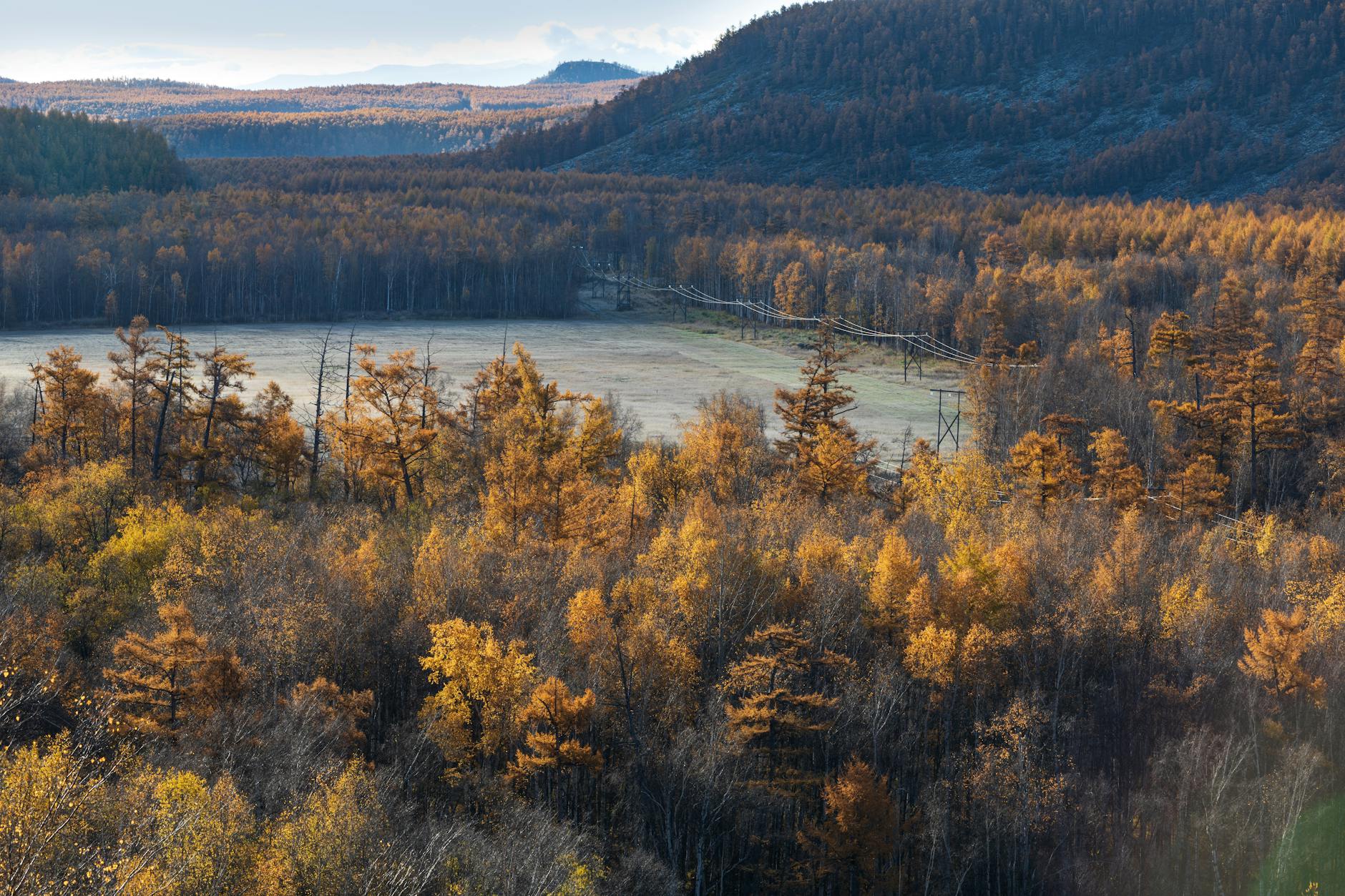
Tikveš has been producing wine since around 800 BC — a tradition that continued through the Roman period (when it was a major provincial wine production center), survived intact through Ottoman rule thanks to monastery cellars, and received world-class modern infrastructure through state investment in the 1970s and 80s. The region enjoys over 270 days of sunshine annually, with hot days and cool nights that build grape complexity, mineral-rich well-drained soils, and elevations between 300 and 500 meters above sea level — a near-perfect combination.
Tikveš specializes in indigenous Macedonian grapes found nowhere else: Vranec (a bold, full-bodied red and the flagship variety), Žilavka (crisp and aromatic white), Stanušina (a rare ancient red), and Smederevka (a light, refreshing white).
Getting to Tikveš: The region's main town is Kavadarci, 100 km from Skopje — about 1 hour via the A1 motorway south toward Thessaloniki, then the Kavadarci exit. By car you can visit two or three wineries in a day at your own pace. Regular buses run from Skopje to Kavadarci, but taxis are needed to reach individual wineries, making the bus less convenient for multiple stops. Organized wine tours from Skopje run €40–60 per person for full-day experiences.
Major Wineries to Visit
1. Tikveš Winery (Imako)
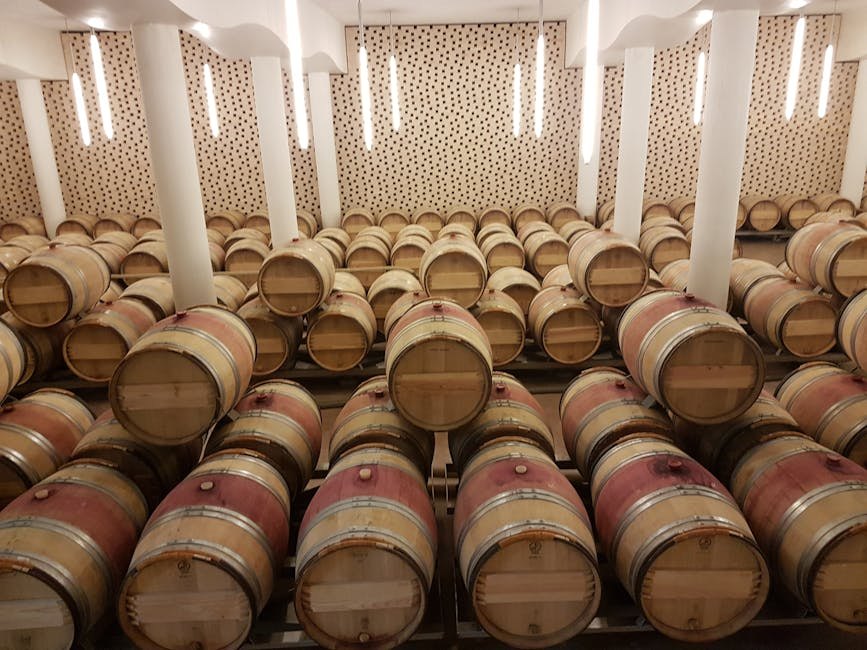
North Macedonia's largest and most famous winery produces millions of bottles annually while maintaining surprising quality. Three tour tiers are available (reservation required 24 hours ahead, guides in English, German, French, and Macedonian): the Classic Tour (1.5 hours, €10) covers the cellars, museum, and 3-wine tasting; the Premium Tour (2.5 hours, €20) adds food pairing; and the VIP Experience (4 hours, €50) offers a private tour with premium wines and lunch. Highlights include underground cellars holding over 30 million liters, a modern production facility, a wine museum with archaeological artifacts, and a professional tasting room.
2. Stobi Winery
Named after the nearby ancient Roman city of Stobi, this boutique winery combines archaeology with quality winemaking inside Roman-inspired architecture. The Standard tour (€15) covers the cellar and 4 wines with snacks; the Premium (€25) includes 6 wines and cheese pairing; a Private experience runs €40. An on-site restaurant offers wine pairings and views of the ancient Stobi ruins just five minutes away — combining a winery visit with the archaeological site makes an excellent half-day.
3. Bovin Winery
A family-owned operation producing some of Macedonia's most acclaimed premium wines in an intimate, traditional atmosphere. Cellar tastings run €12–20 depending on selection, and when the winemaker is available, the personal encounter is one of the region's highlights. Standout labels include the Special Reserve Vranec, Žilavka Selection, and limited-edition blends.
4. Popova Kula Winery
Small production and high quality in a striking modern building with spectacular vineyard views. Tasting options run from a basic flight (€12) to reserve selections (€20) and vertical tastings across multiple vintages (€30). The winery hotel offers overnight stays with vineyard views for €60–80 per night — a worthwhile indulgence for a two-day trip.
5. Dalvina Winery
A family winery preserving traditional methods while meeting modern quality standards. The main draw is amphora (qvevri) wine production — tastings run a very affordable €8 and hands-on experiences are available, making this the most authentic, low-key stop in the region.
Wine Styles to Try
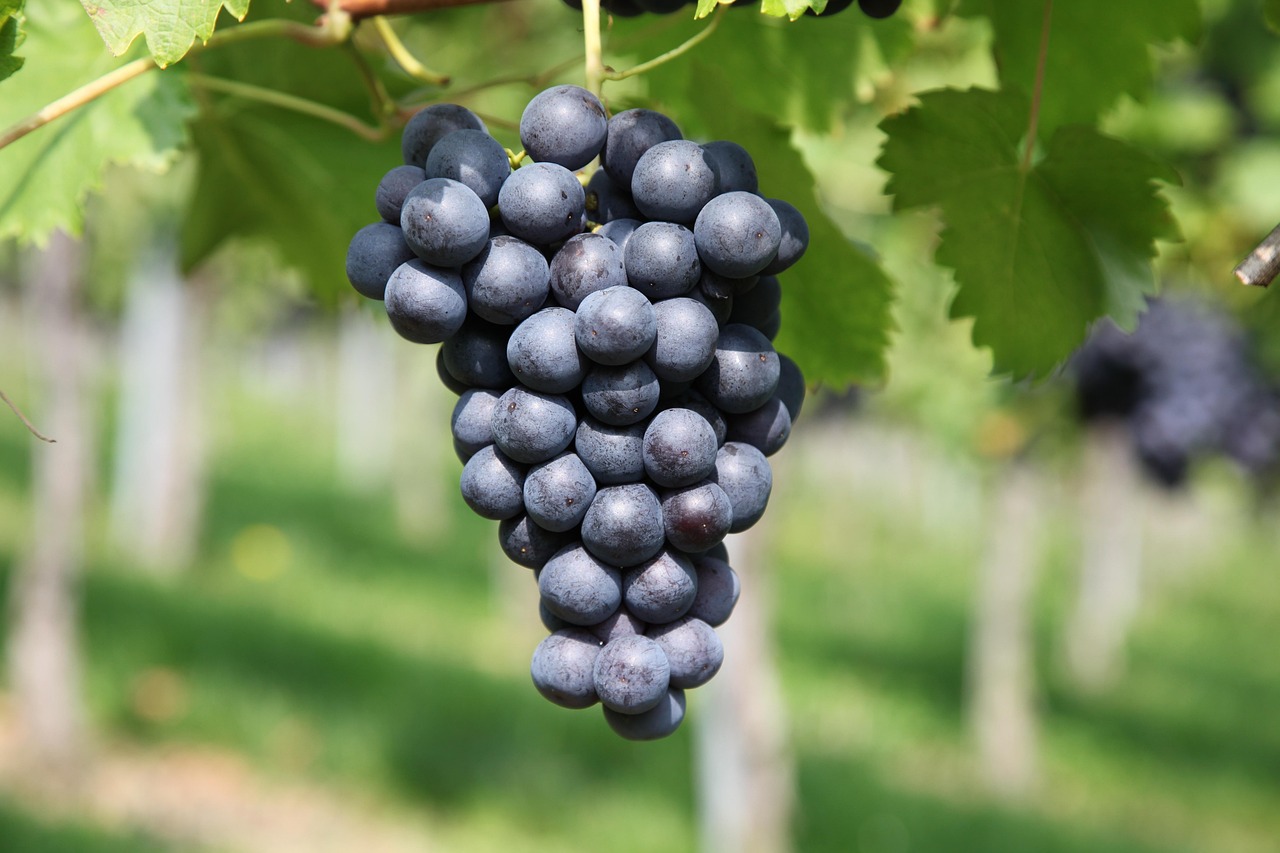
Vranec is the bold flagship red of Tikveš: deep ruby to purple, with blackberry, cherry, and plum flavors, notes of chocolate, vanilla, and tobacco, firm tannins, and a full body that ages beautifully for 5–10 years. Pair it with grilled meats, aged cheese, and traditional Macedonian dishes. Best producers: Tikveš Special Selection, Stobi Premium, Bovin Reserve.
Žilavka is the white counterpart: golden yellow with citrus, green apple, herbal notes, almond and walnut undertones, and a medium to full body that can age 3–5 years. An excellent match for seafood, white meats, salads, and meze. Best producers: Tikveš Barovo, Stobi Premium, Popova Kula.
Stanušina is the ancient secret of Tikveš — a light ruby wine with strawberry, raspberry, and floral notes, low tannins, and a food-friendly character similar to Pinot Noir. Found mainly at Bovin and small family wineries; pairs well with light dishes, grilled vegetables, and chicken.
Smederevka is the easy-drinking refreshing white: pale yellow, crisp acidity, citrus and floral notes, ideal for hot summer days with salads, light appetizers, or fish.
Planning Your Wine Tour
One-Day Itinerary: Leave Skopje by 9:00 AM and arrive at Tikveš Winery for a 10:30 AM classic tour and tasting. Have lunch (12:30–2:00 PM) at the Tikveš or Stobi restaurant with traditional Macedonian food and wine. In the afternoon (2:30–5:00 PM), visit Stobi Winery and then Popova Kula for a final tasting; if time permits, add the Stobi archaeological site next door. Return to Skopje around 6:00 PM.
Two-Day Deep Dive: Day 1 covers Tikveš and Stobi wineries, with an overnight at the Popova Kula winery hotel and a sunset dinner with vineyard views. Day 2 visits Bovin and Dalvina (the smaller, more personal producers), allows time for Kavadarci town, and returns to Skopje at a relaxed pace.
Beyond Wine Tasting
Stobi Archaeological Site is one of the best reasons to extend the day. This ancient Macedonian and Roman city has well-preserved mosaics, early Christian basilicas, and facilities that date to the same period as the region's ancient wine production. Entrance is €3; guided tours cost €10 extra. Many wineries offer combined tickets.
Kavadarci is a pleasant market town worth a brief stop: the central park and Monument to the Tikveš Uprising, the traditional čaršija market, local restaurants, and Vranec Day festival in July.
Lake Tikveš is an artificial lake created for irrigation that now offers fishing (permit required), picnic spots, and summer boat rentals.
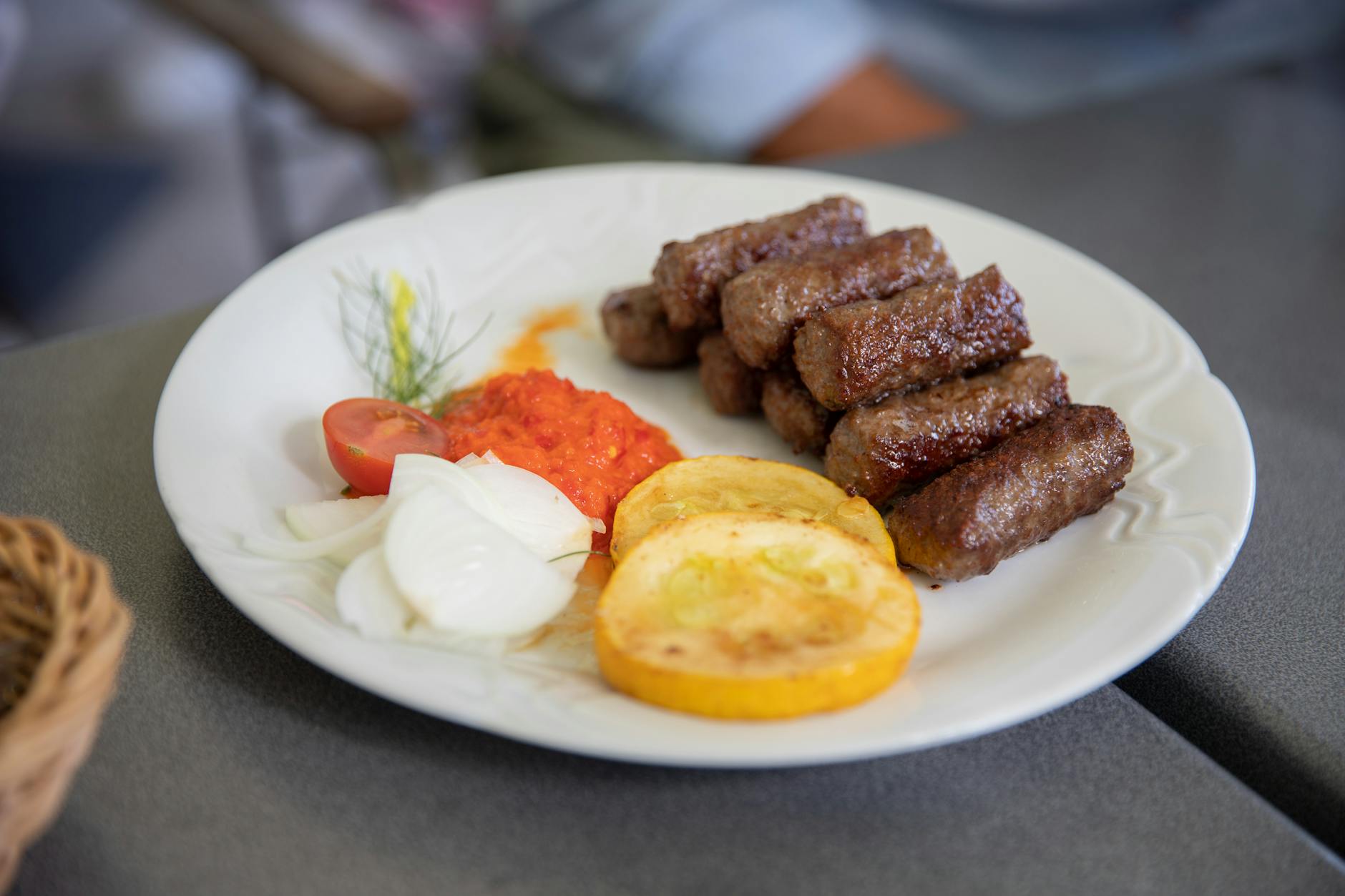
Traditional Food Pairings: The classic local combinations are tavče gravče (baked beans) with Žilavka; pastrmajlija (traditional meat bread) with Vranec; grilled trout with Žilavka; and aged Kashkaval cheese with Reserve Vranec. Most winery restaurants serve full traditional Macedonian meals with wine pairings, vineyard views, and fresh local ingredients for €10–15 per person.
Buying Wine
Buying directly at the winery is the best option — prices are often lower than retail, limited editions are available, and the wine is stored properly until you travel. Most wineries can arrange international shipping at €20–40 per case depending on destination; check your country's customs allowances (EU travelers generally face no limits for personal use).
Price guide: Standard Vranec €5–8/bottle; Premium Vranec €10–18/bottle; Reserve/Special €20–40/bottle; Žilavka €4–12/bottle; Stanušina €8–15/bottle.
When to Visit
Autumn (September–October) is the best time overall — harvest season (vindimi) means active wineries, grape-picking activities, and the major Tikveš Wine Festival in October when wineries showcase new vintages. Spring (April–May) brings mild weather, few tourists, and the spectacle of bud break in the vineyards. Summer (June–August) means lush green vines but also heat and more crowds. Winter cellar visits are still possible (some wineries close), and the quiet pruning-season atmosphere has its own appeal.
Wine Festivals: Vranec Day (July, Kavadarci town center) features public tastings from multiple wineries with traditional music and food. The Tikveš Wine Festival (October) is the biggest wine event in Macedonia. The Stobi Vintage Festival celebrates new releases at the Stobi winery with special tastings.
Practical notes: Designate a driver or hire transport — spitting is completely acceptable at professional tastings and no one will pressure you to finish every pour. Eat a substantial breakfast, have lunch between wineries, and drink water between tastings. A notebook to record favorites is useful; winemakers genuinely enjoy questions about their craft.
Why Tikveš is Special: Unlike commercialized wine regions in France or Italy, Tikveš offers authentic working wineries, premium wines at a fraction of Western prices, indigenous varieties you won't find elsewhere, genuine hospitality from the producers themselves, and 3,000 years of continuous tradition behind every bottle. The Vranec grape alone is worth the trip — this powerful, distinctive red is one of Europe's hidden wine treasures.
Ready to taste? Rent a car in Skopje for a flexible wine country adventure. The freedom to visit multiple wineries at your own pace makes all the difference. Book online for the published rate.
Quick reference
| Item | Detail |
|---|---|
| Company | Relax Rent a Car Skopje Airport (since 2001) |
| Pickup location | Skopje Alexander the Great Airport (SKP / LWSK) |
| Hours | 24/7, all flights |
| Payment | Cash (EUR/MKD), Visa, Mastercard |
| Deposit | None (zero credit-card hold on mini/economy/auto/diesel) |
| Insurance included | Basic CDW with €200 excess; Premium €15/day zero excess |
| VAT | 18% included in all prices |
| Phone / WhatsApp | +389 71 390 627 |
Frequently Asked Questions
What wine grape is Tikveš most famous for? Vranec (pronounced "vra-netz") is the flagship red grape of Tikveš and North Macedonia as a whole. It produces deep, tannic, full-bodied wines with dark fruit and earthy notes — often compared to Malbec or Nebbiolo. Vranec wines from Tikveš are some of the best-value serious reds in Europe, typically priced €5–15 at the winery.
Do Tikveš wineries require advance booking for tastings? Larger wineries (Tikveš Winery, Popova Kula) accept walk-in visitors during business hours, though tours may have set departure times. Smaller family wineries prefer advance notice — email or call ahead. In summer, groups of more than 6 should always book. Most winery restaurants require reservations in July–August.
How do I get to the Tikveš wine region from Skopje? Drive south on the A1/E75 motorway toward Veles, then continue to Negotino or Kavadarci — approximately 90 km (1 hour). The region lacks reliable public transport to individual wineries, which makes renting a car essential. Having a car lets you visit 2–3 wineries in a day at your own pace.
Is it possible to visit Tikveš as a day trip from Skopje? Yes. A focused day trip works well — leave Skopje at 9 AM, visit 2 wineries with a winery lunch, and return by early evening. For a more relaxed experience combining several wineries and the Stobi archaeological site, an overnight stay in Negotino or Kavadarci is worthwhile.
What is the best time of year to visit Tikveš? Harvest season (late September to mid-October) is the most atmospheric — wineries are active, grapes cover the hillsides, and crush festivals occur. Spring (April–May) is beautiful with wildflowers. Summer heat can exceed 40°C; visit wineries in the morning and rest during peak afternoon hours.
Related: Veles day trip from Skopje | Skopje to Bitola road trip guide | North Macedonia food guide by car | North Macedonia complete road trip guide | Best time to visit North Macedonia | Heraclea Lyncestis & Bitola guide