
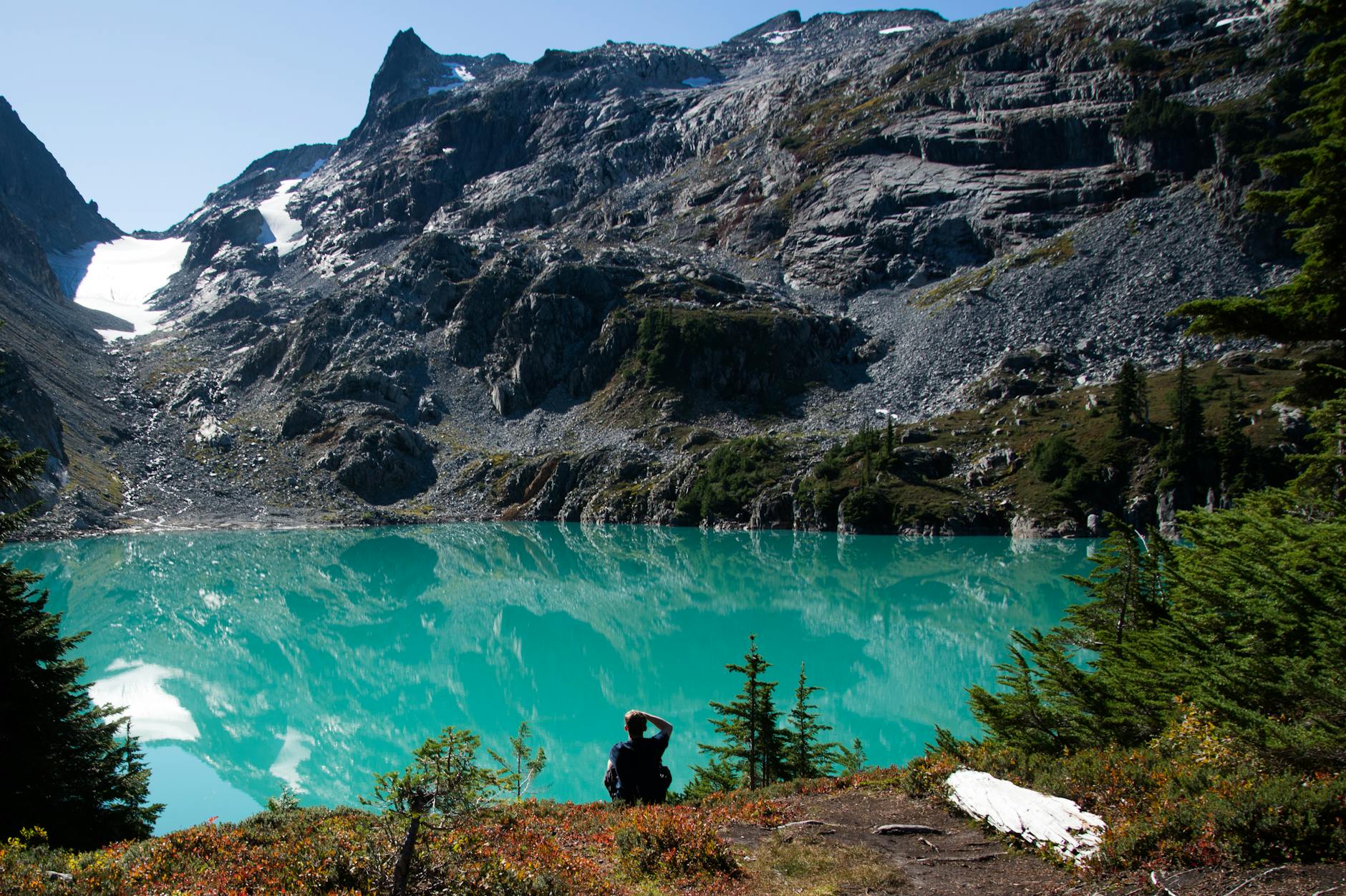
North Macedonia has three national parks. Mavrovo gets the most visitors. Galičica has the famous scenic drive between the two lakes. But Pelister, rising above Bitola in the southwest of the country, is the oldest and — to many hikers' minds — the most rewarding. Its highest peak reaches 2,601 metres, its forests contain one of the rarest pines in Europe, and its two glacial lakes (the "Pelister Eyes") remain pristine. It is also the least crowded of the three parks by a considerable margin.
Location and Access
Pelister National Park lies directly west of Bitola, North Macedonia's second-largest city. The park boundary begins less than 10 km from Bitola's centre.
From Skopje: Drive 185 km south on the A1/A3 motorway to Bitola (approximately 2 hours). From Bitola, follow signs for "Pelister" or "Bitola–Trnovci" into the park. The road is paved and accessible in a standard car to the main park entrance and the lower mountain huts; higher sections may require a higher-clearance vehicle in wet weather.
From Ohrid: 90 km east on the regional road via Resen and Bitola (1.5 hours). Pelister is easily combined with an Ohrid base — the two are within easy driving range of each other.
The Molika Pine: What Makes Pelister Unique
Pelister's forests contain the Molika pine (Pinus peuce), also known as the Balkan pine or Macedonian pine. This is an endemic species of the western Balkans — found in significant numbers in only a handful of locations worldwide. Pelister hosts one of the largest and best-preserved Molika forests on the planet.
The tree is visually distinctive: straight trunk, five-needled clusters (most pines have two or three needles per cluster), and a growth form that creates open, light-filled forest rather than the dense canopy of lowland pine plantations. The Molika forests in Pelister are among the oldest in the Balkans — some individual trees are estimated at 200–300 years old.
Walking through the Molika forest on the lower and mid-altitude trails is one of the best wildlife experiences in Macedonia: red deer, roe deer, and brown bear are present in the park. Bear sightings on the main hiking trails are rare but not unknown.
The Pelister Eyes: Glacial Lakes
The park's signature destination is a pair of glacial lakes called the Pelisterski Oči (Pelister Eyes):
Malo Ezero (Small Lake): 2,200 m altitude. A 3–4 hour hike from the main mountain hut (Dom Kopanki). The smaller of the two lakes, but dramatically positioned under the final ridge to the summit.
Golemo Ezero (Large Lake): 2,218 m altitude. The larger lake, approximately 600 m × 200 m, sitting in a natural cirque. Still frozen until May or June in most years. Swimming in July–August (very cold but clear).
Both lakes in one hike: From Dom Kopanki hut, a loop trail visits both lakes and can be extended to the summit of Pelister. Full loop: 8–9 hours. Fit hikers with an early start (07:00 from the hut) can complete it comfortably.
Hiking Routes
Route 1: Dom Kopanki to Small Lake (3–4 hours one way, moderate)
The main trail from the mountain hut (1,420 m) climbs through Molika forest to Malo Ezero. Well-marked path. Gradual ascent for the first hour; steeper in the final approach to the lake basin. Return by the same path.
Access: Drive from Bitola to Trnovci village (14 km), then the mountain road to Dom Kopanki hut. The road to the hut is unpaved in the upper section — passable in a standard car in dry conditions, better with higher clearance.
Route 2: Summit of Pelister (5–6 hours round trip from Dom Kopanki, strenuous)
From Dom Kopanki, continue past Malo Ezero to the summit at 2,601 m. The final section is a rocky ridge walk. Clear weather essential — cloud can obscure the route on the upper section. Return the same way or descend via Golemo Ezero (adds 1.5 hours).
Best season: June–October. The summit and lakes are snow-free from June (some years, late May). October is the last reliable month for the full summit route; November brings early winter conditions at altitude.
Route 3: Village to Village Forest Walk (3 hours, easy)
A lower-altitude circuit through the Molika forests between Trnovci and Malovište villages. No significant elevation gain. Good for wildlife observation (particularly early morning). Suitable for any fitness level.
Bitola: Your Base for Pelister
Bitola is the natural base for Pelister. It is also worth at least half a day in its own right.
Heraclea Lyncestis: On the northern edge of Bitola, this is one of the most important Roman archaeological sites in the Balkans — a theatre, basilica, portico, and extraordinary intact floor mosaics from the 5th century. Entrance €2. See our Heraclea guide.
Širok Sokak: Bitola's elegant pedestrian boulevard, lined with Ottoman-era facades, consulates, and outdoor cafés. Different in character from anything in Skopje — calmer, more European in feel. Coffee here costs €1–1.50.
Local food: Bitola is known for pastrmajlija (a lamb and egg flatbread) and excellent grilled meats. Several good restaurants on and around Širok Sokak.
Hotels: Mid-range hotels in Bitola are good value — €40–70 for a double room. See our Skopje to Bitola road trip guide for the drive from the capital.
Combining Pelister with Nearby Destinations
Pelister + Ohrid (1–2 days): A natural combination. Drive Skopje → Bitola → Pelister day hike → overnight in Bitola → Ohrid next day. Or base in Ohrid and day-trip to Bitola/Pelister (90 km each way).
Pelister + Prespa Lake: Drive south from Bitola toward Resen (45 km) and Prespa Lake — another overlooked destination. The circuit Bitola → Pelister → Resen → Prespa → Ohrid covers the entire southwest of North Macedonia in two days. See our Prespa Lake guide.
Pelister + Kruševo: The highest town in North Macedonia (1,350 m) is 50 km north of Bitola. Combine a morning at Pelister with an afternoon in Kruševo — both are uncrowded and reward travellers who go slightly off the beaten path.
Wildlife in Pelister
The park is one of the best places in North Macedonia for wildlife observation. Species recorded include:
- Brown bear — present but rarely seen on main trails
- Grey wolf — in the higher forest areas
- Golden eagle — frequently seen soaring above the rocky upper sections
- Red and roe deer — common in forest clearings, particularly at dawn and dusk
- Chamois — on the rocky upper slopes near the summit
Bird watchers note that Pelister has several raptors including lesser spotted eagle, booted eagle, and long-eared owl in the forest zone.
Practical Information
| Detail | Information |
|---|---|
| Distance from Skopje | 185 km (2 hours via A1/A3) |
| Distance from Ohrid | 90 km (1.5 hours) |
| Park entrance | No fee for walking; parking area at Dom Kopanki |
| Dom Kopanki hut | Mountain accommodation + meals; book in advance for weekends |
| Best hiking season | June–October |
| Summit altitude | 2,601 m (Pelister/Nidže peak) |
| Glacier lakes altitude | 2,200–2,218 m |
| Recommended footwear | Hiking boots for any trail above Dom Kopanki |
| Mobile signal | Limited above 1,600 m; Telenor MK has the best coverage |
Getting there: Relax Rent a Car Skopje Airport has operated since 2001 from Alexander the Great Airport (SKP), serving travellers across North Macedonia and the Western Balkans.
Book a rental car at Skopje Airport — drive south to Bitola (2 hours), then west into the park.
Related: Bitola city guide | Heraclea Lyncestis guide | Prespa Lake guide | Mavrovo National Park guide | Galičica National Park scenic drive
Frequently Asked Questions
How far is Pelister National Park from Skopje? Pelister is 185 km from Skopje (approximately 2 hours via the A1/A3 motorway to Bitola). From Ohrid, it is 90 km (about 1.5 hours). The mountain road into the park from Bitola is paved and well-maintained. A standard rental car is sufficient for reaching Dom Kopanki; a 4WD is recommended only for unpaved trail access higher up.
What is the best hike in Pelister National Park? The summit hike to Pelister/Nidže (2,601 m) is the highlight. Starting from Dom Kopanki hut (1,500 m), the ascent takes 3–4 hours. The route passes the two glacial lakes (Malo Ezero at 2,218 m and Golemo Ezero at 2,200 m). The lakes are among the highest in the Balkans and remain partially frozen until June. The summit offers views over North Macedonia, Greece, and Albania on clear days.
What are the Pelister Eyes (glacial lakes)? The "Eyes of Pelister" are two glacial lakes — Malo Ezero (Small Eye) and Golemo Ezero (Big Eye) — at around 2,200 m altitude on the plateau below the summit. They are significant biologically: the Ohrid trout (Salmo letnica) is found here in a landlocked high-altitude population. The hike to the lakes takes about 2.5 hours from Dom Kopanki. Camping near the lakes is allowed.
Can I combine Pelister with a visit to Bitola? Yes — this is the standard day trip itinerary from Skopje. Drive to Bitola (2 hours), visit Heraclea Lyncestis (Roman ruins, 30 minutes), explore Bitola's Sirok Sokak pedestrian street, then drive 15 km into the park to Dom Kopanki for an afternoon walk. Return to Skopje in the evening (2 hours) or stay in Bitola.
When is the best time to visit Pelister? June–October for hiking. The summit trails clear of snow by mid-June in most years. July and August are busy with local hikers but still uncrowded compared to Alpine parks. September and October offer the best combination of clear skies, empty trails, and autumn color in the beech forests below 1,800 m. Winter ski season runs December–March at Kopanki.