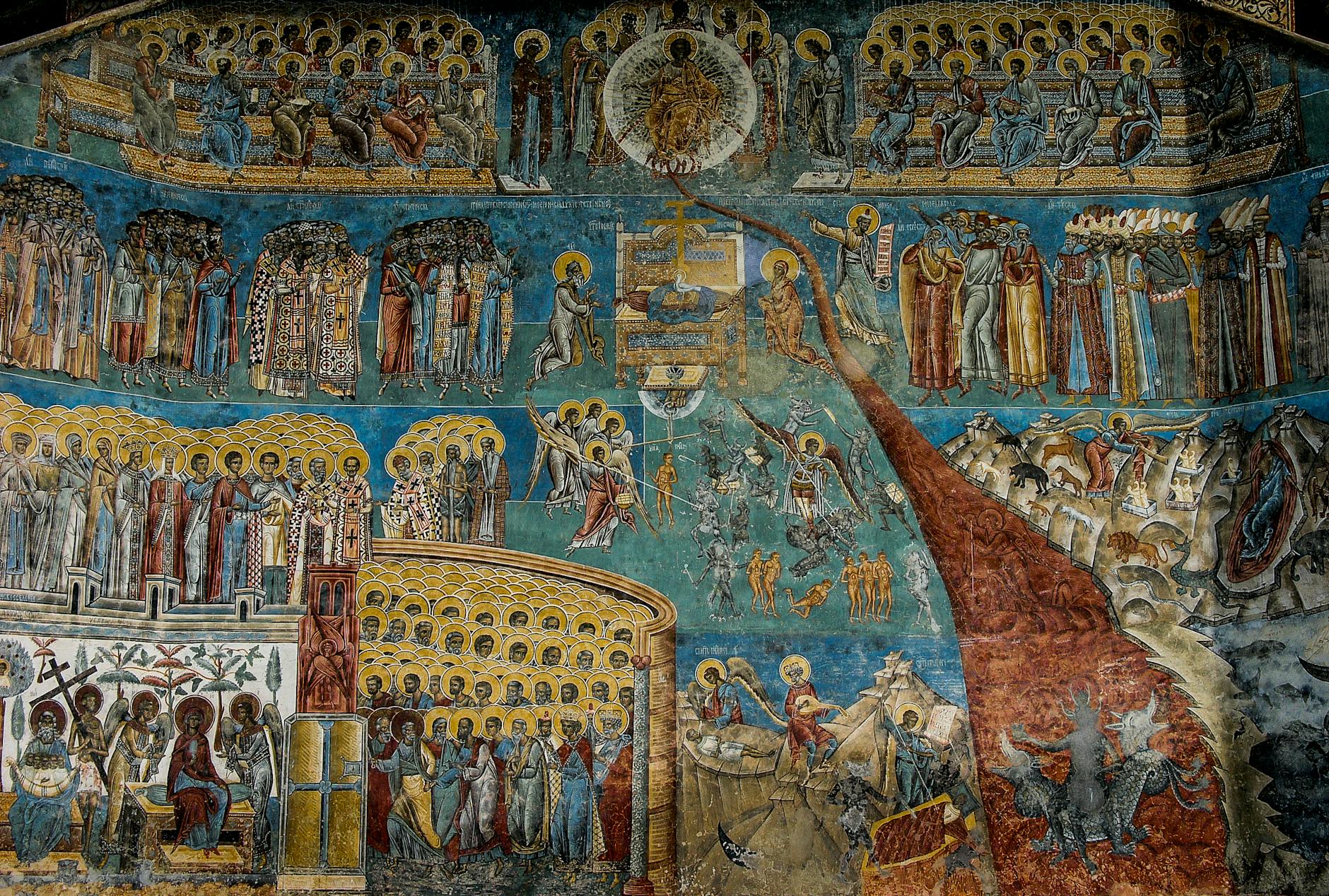
Kosovo is one of Europe's youngest countries and its museums reflect both a rich pre-modern history and the violent rupture of 1998–1999 that led to independence in 2008. Pristina has several significant institutions covering Albanian and Ottoman history, the recent conflict, and contemporary art. Outside the capital, the medieval Serbian monasteries — many still functioning — are among the finest examples of Byzantine fresco painting on the Balkan peninsula.
The drive from Skopje to Pristina takes under two hours. See our [Kosovo road trip guide] for border crossing details.
Museums in Pristina
Kosovo Museum (Muzeu i Kosovës)
The main national museum, housed in a neo-Ottoman building in the city centre originally built as the State Headquarters during the Ottoman period. The collection covers Kosovo's history from prehistoric Illyrian and Dardanian cultures through Roman occupation, medieval Serbian kingdom, Ottoman rule, and independence.
The archaeological floor is the strongest section — coins, pottery, jewellery, and funerary objects from the prehistoric Dardanian culture (which predated both the Slavic and Albanian arrivals in the region) and from Roman sites at Ulpiana (near Pristina). The museum also holds a significant ethnological collection of traditional Kosovo Albanian dress, tools, and household objects.
Location: Sheshi Adam Jashari 2, Pristina city centre.
Hours: Tuesday–Sunday 10:00–17:00.
Entry: 2 EUR.
Time needed: 1–1.5 hours.
Kosovo Memorial Museum — NEWBORN Monument Area
Less a traditional museum than an urban memorial zone around the iconic NEWBORN monument — large block letters spelling NEWBORN, painted in 2008 for Kosovo's independence declaration and repainted every year with a new theme. The surrounding area has become a gathering place for public art, photography displays, and temporary exhibitions related to Kosovo's recent history. Free to visit at any time.
Location: Adjacent to the Youth and Sports Palace, Pristina.
Ethnological Museum (Muzeu Etnologjik)
A well-preserved 18th-century Ottoman house (kulla) containing exhibits on traditional Kosovo Albanian material culture — clothing, weapons, agricultural tools, domestic objects, and documented customs. The building itself is as interesting as the collection: a classic stone Albanian tower house with carved wooden interiors, central hearth, and separate male and female reception rooms as required by traditional Albanian customary law (Kanun).
Location: Rruga Ilaz Kodra, near the Grand Hotel Pristina.
Hours: Tuesday–Sunday 09:00–16:00.
Entry: 2 EUR.
Time needed: 45 minutes.
Pristina Art Gallery (Galeria e Arteve Kosovës)
The national art gallery with a permanent collection of Kosovo Albanian modern and contemporary art from the 20th century to the present. Strong on socialist-realist painting from the Yugoslav period — Kosovo artists working under both Albanian nationalist influence and Yugoslav ideological constraints, producing an interesting tension. Contemporary exhibitions change regularly.
Location: Agim Ramadani Street, central Pristina.
Hours: Tuesday–Sunday 10:00–18:00.
Entry: Free.
Time needed: 1 hour.
Outside Pristina: Medieval Monasteries
Kosovo contains several of the most important surviving examples of medieval Serbian Orthodox fresco painting, designated UNESCO World Heritage Sites. The monasteries are active religious communities and welcome visitors; modest dress is required (no bare shoulders, no shorts).
Gračanica Monastery
A Serbian Orthodox monastery 10 km southeast of Pristina, built in 1321 by King Stefan Milutin. The architecture is a masterpiece of medieval Serbian-Byzantine style — a compact cross plan with five domes ascending in a pyramid. The interior frescoes, completed between 1321 and 1322, are among the finest surviving medieval Serbian paintings: court scenes, saints, and the genealogy of the Nemanjić dynasty painted with a naturalistic confidence unusual for the early 14th century.
The monastery is still a functioning community of nuns and is within a Serbian-protected enclave. Visitors are welcome; photography inside the church is at the discretion of the nuns on duty.
Location: 10 km from Pristina on the Skopje road.
Hours: Daily, typically 08:00–12:00 and 14:00–18:00. Closed during services.
Entry: Free (donations welcome).
Time needed: 45 minutes to 1 hour.
Patriarchate of Peć (Peja)
The seat of the Serbian Orthodox Patriarchate, located in western Kosovo near the Albanian border, 100 km from Pristina. A complex of four churches built between the 12th and 14th centuries, each with surviving medieval frescoes. The 14th-century frescoes in the Church of the Holy Apostles are considered among the finest examples of the Rascian school of medieval Serbian painting.
A UNESCO site, currently managed with international peacekeeping presence due to ongoing ethnic tensions in the region. Visitors are welcome; the approach road is scenic (Rugova Canyon, a dramatic limestone gorge).
Location: 1 km from Peja/Peć town centre.
Hours: Daily 08:00–17:00 (call ahead to confirm).
Entry: Free.
Decani Monastery
The largest medieval church in the former Yugoslavia, built between 1327 and 1335 and containing over 1,000 frescoes covering 690 square metres of wall surface. The scale and completeness of the fresco programme is exceptional — it represents the most ambitious single medieval painting project in the Balkans. The white marble exterior with its Romanesque portal (built by Franciscan craftsmen from the Adriatic coast) is unlike anything else in Serbian medieval architecture.
Location: 15 km south of Peja/Peć.
Hours: Daily 08:00–12:00 and 14:00–17:00.
Entry: Free.
Prizren: A Full Day Destination
Prizren is Kosovo's most historically intact Ottoman town, 80 km southwest of Pristina. The old town has a functioning 16th-century Ottoman bridge, a restored bazaar, several Ottoman mosques, and the ruins of a hilltop fortress. The League of Prizren Museum commemorates the 1878 Albanian political league that first articulated Albanian national consciousness. Prizren requires a dedicated half-day or full day and repays it fully.
Practical Notes
- Safety: Kosovo is safe for visitors. Pristina is a normal European capital city for practical purposes. Take the same precautions you would in any city.
- Monasteries: The Serbian-protected enclaves around Gračanica require passing through a checkpoint. This is straightforward; have your passport.
- Photography: Permitted at most museums. Inside Orthodox churches, ask before photographing frescoes.
- Language: Albanian in Pristina and most of Kosovo. Serbian in Serbian-majority enclaves. English widely spoken in Pristina.
To rent a car at Skopje Airport for a Kosovo day trip, book online here.
Route reference
| Segment | Distance | Time | Notes |
|---|---|---|---|
| Skopje to Ohrid | 173 km | 2h 30 min | A2 motorway, fuel at Veles |
| Ohrid to Bitola | 79 km | 1h 30 min | Mountain pass, slow in winter |
| Skopje to Mavrovo | 79 km | 1h 30 min | Mountain road, snow chains Dec-Feb |
| Skopje to Pristina | 92 km | 1h 30 min | Green Card Zone 1 required |
| Skopje to Tirana | 295 km | 4h 30 min | Albania, Green Card Zone 2 |
| Skopje to Sofia | 245 km | 3h 30 min | Bulgaria, A4 motorway |
Frequently Asked Questions
What is the most important cultural site in Kosovo? Visoki Dečani Monastery near Peja is Kosovo's most significant medieval monument — a 14th-century Serbian Orthodox monastery with the best-preserved cycle of Byzantine frescoes in the Balkans. Over 1,000 square metres of frescoes survive in their original condition. It is a UNESCO World Heritage Site and remains an active monastery under KFOR military protection.
Is it safe for tourists to visit Serbian Orthodox sites in Kosovo? Yes — major sites including Visoki Dečani, Gračanica Monastery, and the Patriarchate of Peć are open to international tourists and protected by international peacekeeping forces. These are important cultural monuments with thousands of visitors annually. Normal tourist behaviour (modest dress, respectful conduct) is expected.
How far is Pristina from Skopje? Approximately 115 km via the E65, about 1.5 hours by car. The border crossing at Bllacë/Blace is usually quick for EU, UK, and US passport holders. Pristina is the closest capital city to Skopje and the easiest day trip from North Macedonia.
What is the Kosovo Museum in Pristina like? The Kosovo Museum occupies the former Government Hall building in central Pristina. It holds an archaeological collection spanning prehistoric, Illyrian, Dardanian, Roman, and Ottoman periods found in Kosovo. The ethnographic collection covers traditional Albanian dress, tools, and household objects. English labels are present in the main galleries.
Do Kosovo museums charge entry fees? Most Kosovo museums and heritage sites are free or charge very small fees. The Kosovo Museum in Pristina is free of charge. Dečani Monastery has no formal entry fee but donations are welcomed. The Ethnological Museum and Emin Gjiku Ethnographic Museum complex in Pristina charge nominal fees of €1–2.