The Adriatic coastline is among the most scenic in Europe — limestone cliffs dropping into clear turquoise water, medieval walled towns perched above harbours, and mountain roads that shift between inland valleys and coastal views within minutes. Driving this route from Skopje puts the whole arc of the Adriatic coast within reach in a long weekend.
The core circuit — Skopje to Kotor Bay to Dubrovnik and back — covers approximately 1,400 km. In four days you can do it comfortably. In three you can rush it; in five you can do it well.
The Route Overview — Adriatic Coast Road Trip From Skopje
Skopje → Montenegro (Podgorica) → Kotor Bay → Budva →
Herceg Novi → Dubrovnik (Croatia) → return via same route
or via Bosnia (Mostar, Sarajevo)
Total driving: ~700 km one-way | Borders: 2–3 depending on return route
Day 1: Skopje to Kotor Bay
Distance: ~380 km | Drive time: ~5 hours
Route: Skopje → Tetovo → Albanian border at Blato → Shkoder → Podgorica → Kotor
Skopje to Albania
Leave Skopje by 7:00 AM. Take the A2 motorway west toward Tetovo, then continue on the E65 toward Blato/Qafë Thanë border crossing into Albania.
The mountain crossing into Albania at Qafë Thanë (1,279 m) offers the first taste of Balkan highland scenery — pine forest, stone villages, and the valley descending toward Shkoder. Allow 30–45 minutes at the border during peak season.
Green Card Zone 2 (€80 per rental) covers Albania, Montenegro, Bosnia, Croatia, and Kosovo — one supplement for the entire route.
Albania: Shkoder to Montenegro
Drive south through Shkoder (30 minutes is enough for a coffee stop by Rozafa Fortress) then northeast toward the Montenegro border at Muriqan/Han i Hotit or southeast toward Podgorica via Hani i Hotit border.
The road along Skadar Lake through Albania is one of the most scenic stretches — the lake fills the valley between Albania and Montenegro, ringed by karst mountains.
Montenegro: Podgorica to Kotor Bay
From Podgorica, take the road south to the Bay of Kotor. The descent from the mountains into the Bay — the road zigzags down the face of Mount Lovćen on the Kotor side — is one of the most spectacular drives in the region.
Kotor old town (UNESCO World Heritage) is a medieval Venetian city enclosed in 4.5 km of walls. Wander the labyrinthine streets, climb to St. John Fortress for bay views, then settle into a restaurant in the old city for dinner.
Day 2: Kotor Bay to Dubrovnik
Distance: ~120 km | Drive time: ~2.5 hours (but allow a full day)
Kotor Bay Detour: Perast and Our Lady of the Rocks
Before leaving, drive the road north from Kotor around the inner bay to Perast — 12 km of coastal road with views across to the island church of Our Lady of the Rocks. The village of Perast has baroque palaces from the Venetian period and boat taxis to the island.
Budva
Budva is 25 km south of Kotor — Montenegro's most popular beach resort and, in summer, its most crowded. The old town sits on a small peninsula with beaches on each side.
Walk the Stari Grad (old town) walls, swim at Ričardova glava beach, and consider whether the crowds of high season are worth it. Off-season (May, early June, September) Budva is genuinely beautiful.
Herceg Novi and the Croatia Border
From Budva, drive northwest back past Kotor to Herceg Novi (the gateway town before Croatia, 40 km from Kotor). The Croatia border at Debeli Brijeg is typically a 20–30 minute crossing.
Dubrovnik
Dubrovnik is 36 km from the Montenegro border. Parking in or near the old city is extremely difficult in high season — the most practical approach is to park at Ilijina Glavica (a large car park above the Pile gate area) or at Gruz port and take the ferry or bus.
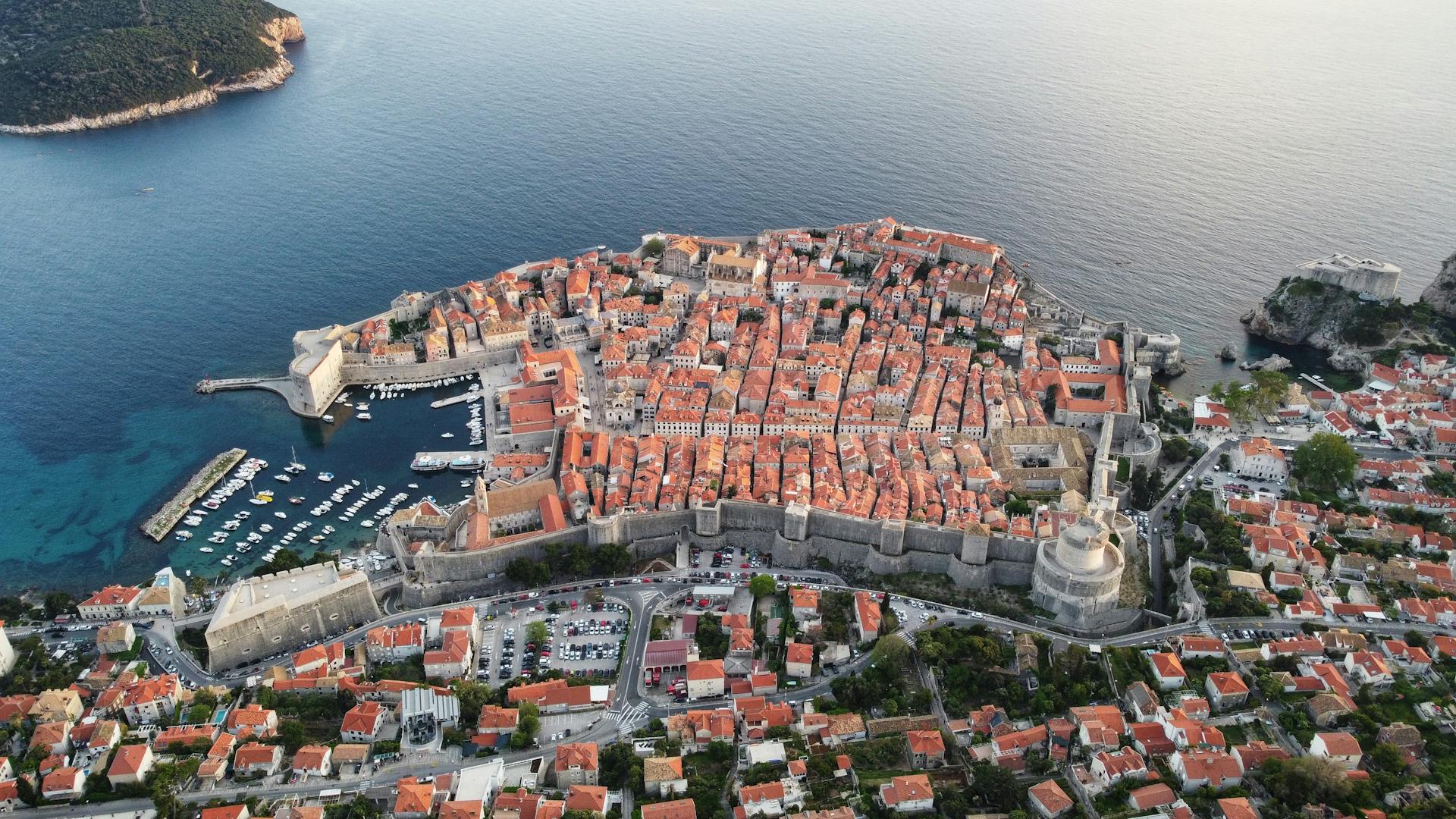
The old city walls (€35 entry): Walking the full circuit takes 1.5–2 hours. The views from the sea walls looking back over the red-roofed city are the signature Dubrovnik image.
Stradun: The main pedestrian thoroughfare runs the length of the old city. Franciscan Monastery with a 14th-century pharmacy at one end; Orlando Column and Rector's Palace at the other.
Practical: Dubrovnik is Croatia's most expensive city — budget twice what you'd spend in Skopje. Overnight stay in the old city area costs €80–200+ for a double room in summer.
Day 3: Dubrovnik — Full Day
The old city takes a full day properly explored.
Morning: Walls (open from 8:00 AM — go early before the crowds and the heat).
Afternoon: Rector's Palace (museum of Dubrovnik's history), Dominican Monastery cloister, Luža Square.
Evening: Mount Srđ — take the cable car at sunset for views over the Adriatic and the Elafiti Islands.
Day trips from Dubrovnik:
- Lokrum Island (10 minutes by ferry, hourly in summer) — national park, botanical garden, and medieval monastery ruins
- Ston (50 km north) — the longest preserved defensive walls in Europe (5.5 km); shellfish and wine country
Day 4: Return to Skopje
Option A: Same route back (~700 km | 8–9 hours)
Return via Herceg Novi → Kotor → Podgorica → Shkoder → Skopje. The reverse of Day 1.
Option B: Via Bosnia (~850 km | ~10–11 hours)
From Dubrovnik, drive north up the Croatian coast briefly, then enter Bosnia at Neum (Bosnia's only 20 km of coastline). Continue to Mostar (the Old Bridge, Stari Most — UNESCO), then northeast toward Sarajevo. Return to Skopje via Serbia (Belgrade road through Nis) or south through Montenegro.
This makes the return more interesting but adds 3–4 hours of driving.
Insurance and Documents
Green Card Zone 2 (€80 per rental) covers:
- Albania
- Montenegro
- Bosnia-Herzegovina
- Croatia
- Kosovo
- Serbia
- Greece
- Bulgaria
At each border, present:
- Passport
- Driving licence
- Vehicle registration
- Green Card certificate
- Authorization letter from Relax Rent a Car
Croatia specifics: EU member state — no passport stamp for EU citizens. Croatian motorways require a vignette (€10 for 10 days, available at the border). Speed cameras are common; speed limits: motorway 130 km/h, open road 90 km/h, urban 50 km/h.
Montenegro specifics: Not EU. Passport stamp. No vignette needed; roads are toll-free. The Sozina tunnel between Podgorica and Bar (18 km) charges €4.50.
Practical Information
Best time: May to June, or September to early October. July–August is the peak of Dubrovnik crowds and heat — the city's tourist cap means some days you literally cannot enter the walls. Spring and autumn are markedly better.
Currency:
- Croatia: Euro (since 2023, joined Eurozone)
- Montenegro: Euro (adopted unilaterally — no central bank)
- Albania: Albanian Lek (exchange at border; most tourist spots also accept Euro)
Fuel costs: Similar to North Macedonia throughout the route. Montenegro has good fuel coverage; rural Albania has fewer stations.
Accommodation options (budget/comfort):
- Kotor: €60–130/night in or near the old city
- Budva: €50–120/night; higher in July–August
- Dubrovnik: €80–250/night; book 2–3 months ahead in summer
Recommended Vehicle
Any car handles this route. For mountain passes to Lovćen or off the main coastal road, the Dacia Duster 4x4 provides ground clearance and confidence. For pure coastal driving, any economy or compact car is sufficient.
Book Your Adriatic Road Trip
Pick up at Skopje Airport with Green Card Zone 2 documentation. Write "Croatia/Dubrovnik" in your booking notes — we prepare authorization letters for every border on the route.
Relax Rent a Car Skopje Airport has operated since 2001 from Alexander the Great Airport (SKP), serving travellers across North Macedonia and the Western Balkans.
Questions? Call or WhatsApp: +389 71 390 627
Route reference
| Segment | Distance | Time | Notes |
|---|---|---|---|
| Skopje to Ohrid | 173 km | 2h 30 min | A2 motorway, fuel at Veles |
| Ohrid to Bitola | 79 km | 1h 30 min | Mountain pass, slow in winter |
| Skopje to Mavrovo | 79 km | 1h 30 min | Mountain road, snow chains Dec-Feb |
| Skopje to Pristina | 92 km | 1h 30 min | Green Card Zone 1 required |
| Skopje to Tirana | 295 km | 4h 30 min | Albania, Green Card Zone 2 |
| Skopje to Sofia | 245 km | 3h 30 min | Bulgaria, A4 motorway |
Frequently Asked Questions
How long is the drive from Skopje to Dubrovnik? Approximately 7–8 hours covering 600–650 km via Albania and Montenegro. The route goes through Tetovo, the Albanian border at Qafë Thanë, Shkoder, Podgorica, Kotor Bay, and Herceg Novi before crossing into Croatia. An overnight stop in Kotor is recommended for the most comfortable pace.
What insurance covers the full Adriatic route (Albania, Montenegro, Croatia)? Green Card Zone 2 (€80 per rental) covers Albania, Montenegro, Bosnia-Herzegovina, Croatia, Kosovo, Serbia, Greece, and Bulgaria — a single supplement for the complete Adriatic circuit. Croatia requires both Zone 2 coverage and a motorway vignette (€10 for 10 days).
Can I drive this route in a standard rental car? Yes. The main coastal roads and motorways are good quality tarmac accessible to any vehicle. The switchback road descending to Kotor from Mount Lovćen is steep but paved; mountain detours off the main road may benefit from a Dacia Duster's ground clearance.
When is the best time to drive the Adriatic coast? May–June and September–October. Dubrovnik in July–August is severely crowded — the city has implemented tourist caps and wall entry queues can be hours long. Spring and early autumn offer warm weather, open businesses, and a fraction of the summer crowds.
Is it worth stopping in Budva and Kotor, or driving straight to Dubrovnik? Stopping in Kotor Bay and Budva adds one night to the trip but is strongly recommended. The Bay of Kotor is UNESCO-listed and as visually dramatic as Dubrovnik; skipping it to reach Croatia faster means missing the drive's highlight.