Prespa Lake sits in a remote corner of southwestern North Macedonia where three countries meet — North Macedonia, Greece, and Albania — sharing the lake between them. It is one of the least-visited significant natural areas in the Balkans, and one of the most rewarding for those who make the effort to reach it. Pelicans nest on uninhabited islands. Byzantine hermit churches are carved into cliff faces. The nearest tourist infrastructure is minimal.
Reaching Prespa requires a car. There is no meaningful public transport. The road access is good but the distances and terrain mean a rental vehicle is the only practical option for visitors staying in Skopje or Ohrid.
What Makes Prespa Special
Lake Prespa is actually two interconnected lakes — Greater Prespa (shared between the three countries) and Lesser Prespa (primarily in Greece). North Macedonia's share of Greater Prespa is the main destination for visitors.
The ecosystem: Prespa is one of Europe's most important bird conservation areas. The colony of Dalmatian pelicans — one of the world's rarest birds — nests on Golem Grad island in the middle of the lake. Great white pelicans also breed here. Over 260 bird species have been recorded. Flamingos, herons, cormorants, and pygmy cormorants are regularly sighted.
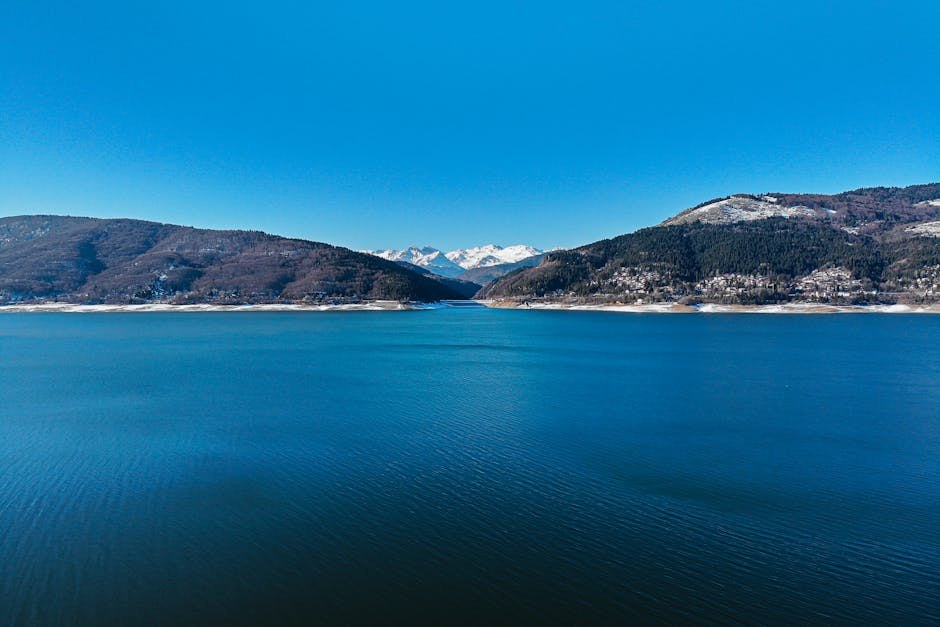
The landscape: Unlike Lake Ohrid's developed western shore, Prespa is ringed by mountains with almost no development along the water. The effect is striking — you reach the lake after a mountain descent and find yourself looking at an enormous expanse of water with no hotels, no beach bars, just reeds and distant peaks.
The history: Byzantine hermit monks carved churches directly into the cliff faces of Golem Grad island (accessible only by small boat) and in the rock outcrops along the shore. The frescoes in these tiny cliff churches date to the 11th–14th centuries and have survived in remarkable condition due to the dry mountain air.
Getting to Prespa
From Skopje
Distance: 200 km (approximately 3 hours) Route: Skopje → A1 south to Veles → southwest to Bitola → 45 km to Resen → lake shore
The drive passes through Bitola (North Macedonia's second-largest city) — worth a stop if time allows. See the Heraclea and Bitola guide for Bitola sights.
From Resen (the nearest town to Prespa), the lake is 12 km. The road drops through orchards (Resen is famous for its apple growing) before reaching the shore.
From Ohrid
Distance: 75 km (approximately 1.5 hours) Route: Ohrid → Galičica National Park road → Resen → Prespa
This is the classic combined itinerary: Ohrid in the morning, drive over Galičica mountain pass with simultaneous views of both lakes, descend to Prespa. The Galičica road is one of the most spectacular drives in the country — from the highest point at 1,600m, you can see Lake Ohrid to the west and Lake Prespa to the east simultaneously.
Road condition: The Galičica road is fully paved but narrow in sections. It closes in heavy snow (November–March can be unreliable). An SUV is recommended for this road if visiting in autumn. In summer, any car handles it.
Driving at Prespa
The main road circumnavigates part of the Macedonian shore. From the village of Stenje (northwest shore) to Nakolec (southeast) is approximately 30 km on a good paved road. Some villages are accessible only on unpaved tracks — suitable for the Dacia Duster 4x4 but not economy cars.
What to Do at Prespa
Golem Grad Island (Pelican Island)
The highlight of Prespa. A 750-metre long island in the middle of Greater Prespa, covered in Byzantine ruins, cliff churches, wild fig trees, and surrounded by nesting pelicans.
Access: By small motorboat from the village of Konjsko or Oteševo. Local fishermen operate boats in summer — cost approximately €20–30 per boat (negotiable). The crossing takes 20–30 minutes.
On the island: The island is uninhabited and mostly wild. A path leads to the ruins of a medieval church and a Byzantine fortress. Several small churches carved into rock faces contain surviving fresco fragments. The pelican nesting areas are visible from a respectful distance — do not approach the nesting colonies directly.
Best time: May–July when pelicans are actively nesting. August is also good for boat trips.
Birdwatching
Prespa is one of Europe's top 10 birdwatching destinations. Key locations:
- Reed beds near Asamati and Nakolec — good for pygmy cormorants, herons, and warblers
- Pelister mountain slopes — raptors including golden eagle
- Lakeshore viewing platforms — installed at several points for pelican observation
Bring binoculars. Early morning (first hour after sunrise) offers the best sightings.
Swimming at Prespa
The lake water is clean and cold — cooler than Lake Ohrid. The main swimming spot is near the village of Stenje, where a small beach and a basic seasonal café exist. The water is less developed for tourism than Ohrid, which is part of its appeal. Expect a simple pebble beach with no facilities beyond what the café provides.
Village Life and Apple Orchards
The Resen basin around Prespa is North Macedonia's main apple-growing region. In autumn (late September–October), the orchards are in harvest season and roadside stalls sell fresh apples, dried fruit, and local rakija (brandy). This is a particularly good time to visit if you want to experience genuine rural North Macedonia without any tourist infrastructure.
Driving the Three-Country Viewpoint
From the hill above the village of Asamati, on a clear day, you can see all three countries' portions of the lake simultaneously. No formal viewpoint exists — it's a field with an unobstructed panorama. Worth the short detour.
Practical Information
Accommodation at Prespa
Options are very limited. A handful of guesthouses exist in Resen and the lakeside villages (Oteševo, Stenje, Asamati). These are basic, locally-run, and authentic — nothing resembling a hotel.
For most visitors, Prespa is a day trip from Ohrid (75 km) or from Bitola (60 km). Spending a night requires advance booking through local contacts — the villages do not have online booking systems for most accommodation.
Eating at Prespa
Local restaurants are minimal. The village of Stenje has a seasonal lakeside restaurant (open June–September) serving grilled fish from the lake (carp, bream) and basic Macedonian dishes. Bring supplies from Resen if you plan a full day.
Resen town has cafés, a market, and basic restaurants — stock up here before heading to the lake.
Mobile Coverage
Coverage is patchy around the lake. Macedonian SIM cards (Telekom, A1) have signal in Resen and the larger villages but not everywhere along the remote shore. Download offline maps before departing.
Best Time to Visit
May–June: Best birdwatching (pelican nesting), wildflowers, and mild weather. Road over Galičica reliable. July–August: Warmest, busiest (relatively — Prespa is never crowded). Good for swimming. September–October: Quieter, apple harvest, excellent autumn light. Allow for earlier sunset. November–March: Galičica road may be closed by snow. Prespa accessible from Resen but limited activity.
Combining Prespa with Ohrid
The Ohrid–Galičica–Prespa circuit is one of the best single-day drives in the Balkans:
Morning: Ohrid Old Town or lake swimming (7–10 AM) Mid-morning: Drive Galičica road, stop at both-lakes viewpoint (10–11:30 AM) Midday: Arrive Prespa, boat trip to Golem Grad or lakeshore walk (12–14:30) Afternoon: Drive back via Resen, apple orchards (15–16:00) Evening: Return to Ohrid (16–17:30)
Total driving for the circuit: approximately 160 km.
Reserve a rental car for the Prespa circuit — an SUV (Dacia Duster 4x4) is recommended if you plan to explore village tracks or visit in autumn.
Quick reference
| Item | Detail |
|---|---|
| Company | Relax Rent a Car Skopje Airport (since 2001) |
| Pickup location | Skopje Alexander the Great Airport (SKP / LWSK) |
| Hours | 24/7, all flights |
| Payment | Cash (EUR/MKD), Visa, Mastercard |
| Deposit | None (zero credit-card hold on mini/economy/auto/diesel) |
| Insurance included | Basic CDW with €200 excess; Premium €15/day zero excess |
| VAT | 18% included in all prices |
| Phone / WhatsApp | +389 71 390 627 |
Frequently Asked Questions
Can I visit Prespa Lake without a car? Not practically. There is a bus from Bitola to Resen (1 hour, several times daily), but from Resen to the lake shore and between villages, no public transport exists. Visiting the lake shore, Golem Grad, and birdwatching spots requires private transport. A rental car from Ohrid or Skopje is the practical approach.
Is Golem Grad Island accessible to tourists? Yes, by small motorboat from Konjsko or Oteševo. In summer, local fishermen offer the crossing. The island is not officially managed as a tourist site — no entrance fee, no facilities. Bring water, food, and sun protection. Respect the wildlife and the Byzantine ruins.
Are there pelicans at Prespa in summer? Yes — the Dalmatian pelican colony nests at Prespa from March through August. Peak nesting activity is May–July. In August they are still present but begin dispersing. By September most have left for winter grounds.
Is the road over Galičica safe? In dry conditions (roughly May–October), the Galičica road is safe for any car driver with reasonable confidence on mountain roads. It is narrow in sections, with steep drops and no crash barriers in places. Drive slowly and pull over when meeting oncoming vehicles. In wet or icy conditions, an SUV with 4WD is strongly recommended. The road closes fully in heavy snow.
How far is Prespa from Ohrid? 75 km via the Galičica National Park road — approximately 1.5 hours, longer if you stop at viewpoints. Via Resen on the main lowland road (avoiding Galičica), the distance is 90 km but the road is faster. Most visitors prefer the Galičica route for the scenery.
Related: Ohrid Lake road trip itinerary | Heraclea & Bitola guide | Best time to visit North Macedonia | Lake Ohrid beaches guide | North Macedonia road trip guide