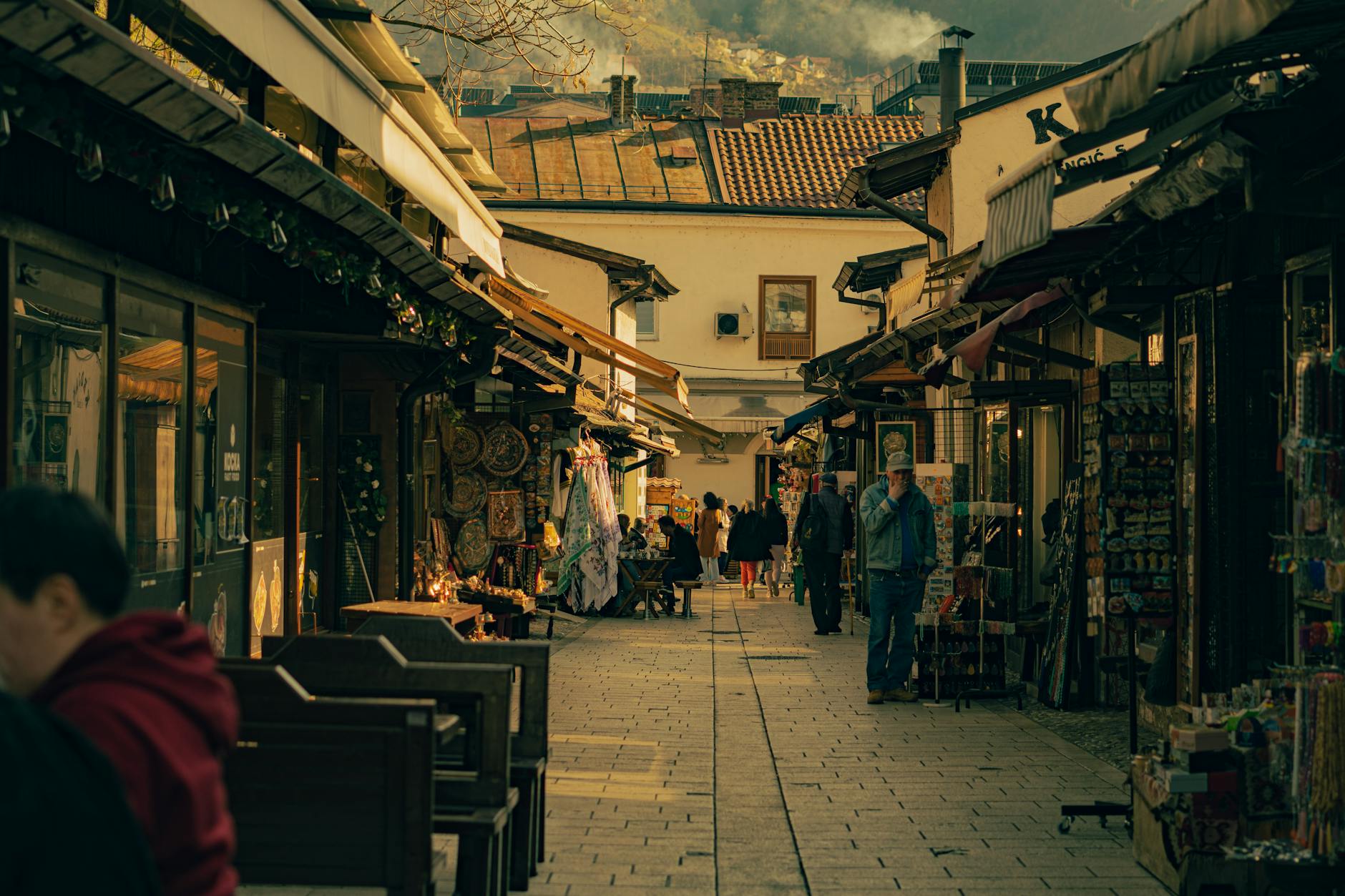
Skopje's Old Bazaar — Čaršija in Macedonian — is one of the largest and best-preserved Ottoman-era market complexes in the Balkans. Dating to the 15th century, this dense network of stone-paved streets, mosques, hans (caravanserais), and covered market halls north of the Vardar River has been a center of trade and daily life for over 500 years. It is, without question, the most interesting place in Skopje to spend a few hours.
Historical Background
The Old Bazaar developed under Ottoman rule following the conquest of Skopje in 1392. The Ottomans systematically developed the city north of the Vardar River, while the Christian and Jewish populations lived to the south. The bazaar complex grew around a series of hans (merchants' inns) and covered market halls (bezisteene), organized by trade guilds: coppersmiths in one lane, leather workers in another, jewelers nearby.
At its peak in the 18th century, the Skopje bazaar had over 2,000 shops and was one of the largest commercial centers in the Balkans. A catastrophic earthquake in 1963 destroyed much of Skopje but the bazaar survived relatively intact — its stone construction proved more resistant than the modern concrete buildings that collapsed.
Key historical monuments:
Mustafa Pasha Mosque (1492): One of the largest and most elegant Ottoman mosques in the Balkans. Built by Sultan Bayezid II's vizier, it has a 5 × 5 m marble mihrab (prayer niche) and an unusually large forecourt garden. Still actively used for daily prayers; visitors are welcome outside prayer times.
Bit Pazar (The Old Market): The market at the northern end of the bazaar that still functions as a daily produce market. Fresh vegetables, fruit, meat, and spices sold from open stalls.
Kursumli An (The Lead Han): A 16th-century caravanserai that served as a merchants' hostel. Later converted to a prison; now a lapidarium (outdoor museum of stone artifacts). The courtyard is a peaceful escape from the market lanes.
Daut Pasha Hammam: A 15th-century double bathhouse (separate sections for men and women). One of the largest hammams in the western Balkans. Now used as an art gallery.
Čifte Hammam: Another Ottoman hammam from the 15th century. Well-preserved exterior. Currently being restored.
Shopping in the Old Bazaar
The bazaar retains some of its craft heritage alongside the inevitable tourist shops.
What's worth buying:
Copperwork: The coppersmiths' section (bakardžiluk) still has a few workshops where you can watch craftsmen hand-forming copper bowls, coffee sets (džezve), and decorative plates. Genuinely handmade items, not factory produced. Prices start at €10–15 for smaller pieces.
Silver and gold jewelry: Several jewelers in the bazaar work in traditional filigree technique. Albanian and Macedonian jewelry traditions overlap here.
Macedonian textiles: Embroidered tablecloths, traditional costume elements, and kilim-style rugs. Some are machine-made for the tourist market; the handmade pieces are distinguishable by slightly uneven patterns and higher prices.
Spices and dried produce: Near the Bit Pazar, stalls sell bulk spices, dried herbs (including mountain tea from Macedonia's highlands), ajvar (in jars), and dried peppers. Good value if you're buying to cook with.
Wood carvings: Traditional carved wood (furniture, decorative panels) from Galicnik and Ohrid traditions. Larger pieces are impractical to carry but smaller items (icons, boxes) make good gifts.
What to avoid: Mass-produced souvenirs with generic "Macedonia" branding. The interesting items require some hunting.
Eating in the Old Bazaar
For food, see the Skopje street food guide and the Best Restaurants in Skopje for full detail. Quick summary:
- Burek: Freshest in the morning from the burekaite bakeries near the Bit Pazar entrance.
- Ćevapi: Grilled from multiple small kiosks throughout the day.
- Baklava and sweets: Multiple sweet shops (slatkari) near the Mustafa Pasha Mosque.
- Sit-down restaurants: Several traditional restaurants (Destan, Pelister) inside the bazaar for full meals.
Evening in the Old Bazaar
After 19:00, the bazaar changes character. The shops close, but the cafés and bars come alive. The pedestrianized lanes fill with people having evening coffee or rakija.
Best evening spots:
- Café bars near the Stone Bridge: The southern entrance to the bazaar, near the Stone Bridge over the Vardar, has several café terraces with views of the illuminated bridge and the river.
- Traditional rakija bars: Look for small kafanas advertising domašna rakija (homemade brandy). These serve rakija by the glass with small snacks (olives, cheese, smoked meat).
- Bar area of Destan: The restaurant's bar section operates later and serves local spirits.
By 22:00 on weekends, the bazaar itself is quieter but the cafés around its edges — particularly near the bridge — are busy until midnight.
Practical Information
Getting there by car: The Old Bazaar is in the north part of the city center. The closest parking is the Čair Municipality car park on the northern bank of the Vardar, accessed from the Čair bridge. Paid parking, approximately €1/hour. It's also a short walk from the paid parking on Macedonia Square (south side of the bazaar, across the river).
Alternatively: Park at your hotel and walk to the bazaar via the Stone Bridge (15–20 minutes from most city center hotels).
Opening hours:
- Shops: Most bazaar shops open at 09:00–10:00 and close between 17:00–19:00. The Bit Pazar market is at its best 07:00–13:00.
- Restaurants: 11:00–23:00.
- Bars/cafés: From 08:00 (morning cafés) until midnight or later.
- Mustafa Pasha Mosque: Open to visitors outside the five daily prayer times. Dress modestly (shoulders and knees covered); remove shoes at the entrance.
Safety: The Old Bazaar is safe during the day and early evening. Normal urban precautions apply at night (watch pockets in crowded sections).
Photography: The bazaar is excellent for photography. The cobblestone lanes, Ottoman arches, and craftsmen at work make great subjects. Always ask before photographing individuals (especially in the mosque).
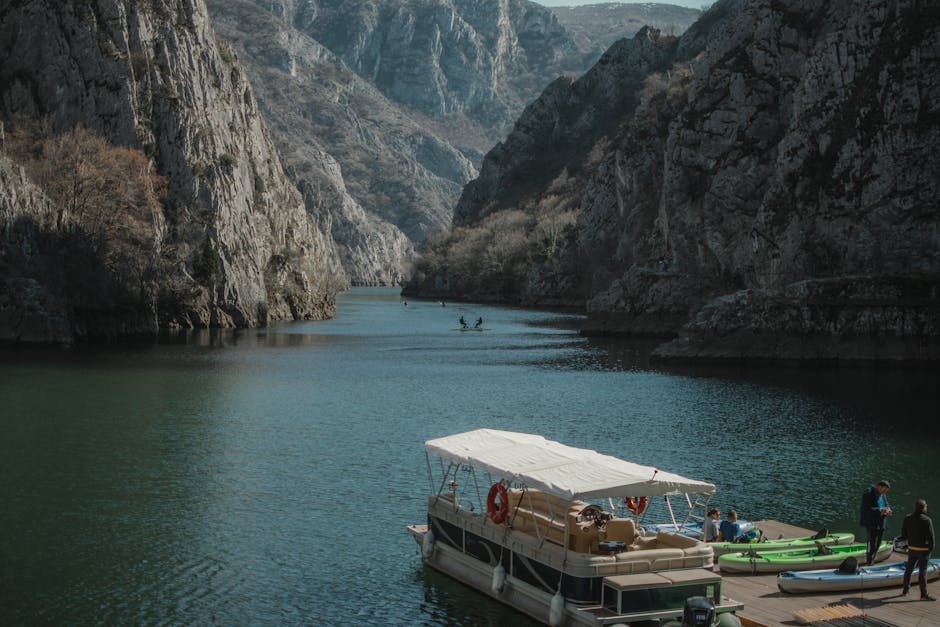
Spending time in Skopje before heading out? The Old Bazaar is the essential first stop. After exploring, rent a car at Skopje Airport for day trips to Matka Canyon, Ohrid, or cross-border destinations like Kosovo (90 km) and Thessaloniki (170 km).
Distances from Skopje by car
| Destination | Distance | Drive time | Road type |
|---|---|---|---|
| Skopje Airport (SKP) | 21 km | 25 min | A1 motorway |
| Matka Canyon | 17 km | 25 min | Paved single-carriageway |
| Ohrid | 173 km | 2h 30 min | A2 motorway |
| Bitola | 169 km | 2h 15 min | A2 + R-roads |
| Tetovo | 41 km | 35 min | A1 motorway |
| Kosovo border (Blace) | 23 km | 25 min | A1 motorway |
| Pristina | 92 km | 1h 30 min | A1 + R-roads |
Frequently Asked Questions
How long must I have held my licence to rent?
Minimum 1 year for all categories. Drivers with under 12 months of licence history are statistically higher-risk and most rental insurance companies won't underwrite them. If you only recently passed your test, ask about provisional or shadow-driver arrangements through your home country embassy first.
Can a tourist rent if their home country is on a sanctions list?
Yes — North Macedonia doesn't impose travel-related sanctions on individual tourists. Russian, Iranian, Chinese, and similar passport holders are all welcome to rent. Documentation requirements are the same as for any nationality: licence, passport, payment at pickup.
Do I need a registered address in North Macedonia?
No. Tourists rent with their home address from the passport / driving licence. Long-term renters (30+ days) sometimes provide a hotel address for the formal rental contract — this is administrative, not a residency requirement.
Is a guarantor needed if I'm under 25 or new to driving?
No guarantor needed. The young-driver surcharge (€10/day for 21-24) covers the statistical risk. If your case is genuinely unusual (e.g., recently issued provisional licence, history of multiple incidents), we may decline or require Premium insurance — discussed during booking.
Can someone else collect the car on my behalf?
Only if they're the named additional driver on the contract, paid the +€2/day fee, and present at pickup with their own ID and licence. Otherwise no — the car must be released to the named main driver at the booking confirmation. This protects against fraud and licence-mismatch insurance issues.