North Macedonia punches well above its weight as a food destination. A cuisine shaped by Ottoman, Byzantine, and Slavic traditions has produced dishes that are both deeply flavourful and remarkably unfamiliar to most Western visitors. The combination of excellent local produce, cheap restaurant prices (a full lunch rarely exceeds €10), and the accessibility of regional specialities by car makes food one of the most rewarding parts of a North Macedonia road trip.
This guide covers the essential dishes, where to find them, and how to structure your food stops around the main driving routes.
The Macedonian Kitchen: What to Know
Macedonian cuisine is built on vegetables, grilled meats, freshwater fish, and dairy — particularly white cheese similar to feta. The climate allows exceptional growing conditions: peppers, tomatoes, and aubergines are grown locally and form the base of many dishes. Wine production centres on the Tikveš valley south of Skopje.
Key flavours: smoky (from grilling and dried peppers), rich (bean dishes cooked for hours), and bright (fresh vegetables, lemon, yogurt accompaniments).
Meal timing: Lunch is the main meal, typically 13:00–16:00. Restaurants in smaller towns may close between 15:00 and 18:00. Dinner is lighter and later (20:00–22:00 in cities).
Prices: Remarkably low by Western European standards. A main course at a local restaurant costs €4–8. A full meal with wine: €12–20 per person.
Essential Dishes to Try
Tavče Gravče (Baked Beans)
North Macedonia's national dish — white beans slow-cooked in a clay pot with onions, peppers, paprika, and sometimes sausage. The name means "beans in a pan" (from the earthenware dish used). Served bubbling hot from the oven, accompanied by bread.
Where it's best: Every traditional restaurant in the country serves it, but the dish has particular significance in Tetovo, Gostivar, and rural cafés along mountain roads. Ask for it specifically rather than accepting a menu translation — it is often listed in Macedonian only.
Pastrmajlija (Macedonian Pizza)
An oval flatbread covered with diced lamb or pork, eggs cracked on top, and baked in a wood-fired oven. Crispy at the edges, rich and eggy in the centre. Originally from Štip in eastern Macedonia but now found in good bakeries across the country.
Where it's best: The original bakeries in Štip if you are driving the eastern route. In Skopje, several dedicated pastrmajlija restaurants operate in the Old Bazaar area.
Shopska Salad
The standard table salad of the western Balkans: tomato, cucumber, onion, pepper, and finely grated white cheese on top. Simple but made exceptional by the quality of Macedonian produce — summer tomatoes in particular. Ordered at almost every meal.
Ajvar
A roasted red pepper relish made from grilled peppers, sometimes with aubergine. Produced across the country in autumn from the harvest — the smell of roasting peppers is characteristic of September and October in Macedonian towns. Sold in jars at roadside markets and supermarkets.
Buying to take home: Ajvar travels well. Local producers sell it by the jar at roadside stalls, particularly in the Strumica region and along the Negotino–Kavadarci corridor (Tikveš wine country).
Ohrid Trout (Ohridska Pastrmka)
The Ohrid trout (Salmo letnica) is an endemic species found only in Lake Ohrid. Distinguished by its firm pink flesh and clean taste. Best grilled simply — "na žar" — with lemon and local herbs. Usually served whole, from approximately 300–500g.
Where it's best: Restaurants directly on the lakeside in Ohrid town and at St. Naum Monastery restaurant. Prices: €8–15 per fish depending on size and location. Avoid tourist-facing restaurants at the main waterfront in peak season — the fish is the same but prices are 30–40% higher.
Turli Tava (Mixed Vegetable Casserole)
A slow-cooked casserole of mixed vegetables (okra, tomato, peppers, potato) with lamb or pork. Similar to ratatouille but richer from the meat juices. A summer and autumn dish when vegetables are at peak season.
Kebapi and Meze
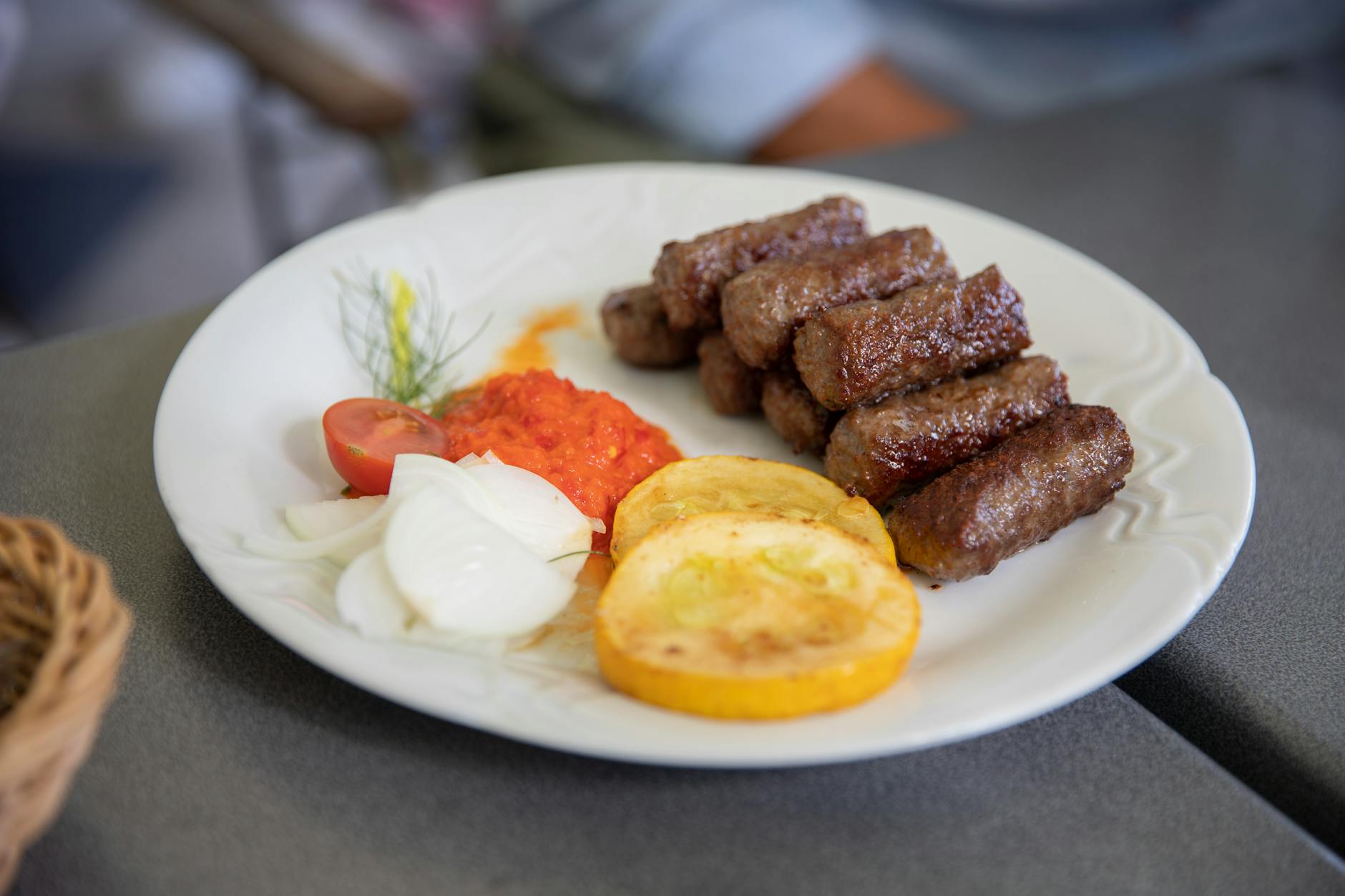
Grilled minced meat rolls — the Balkan standard — served with flatbread and ajvar. Smaller than Serbian or Bosnian versions, and typically pork-lamb mixed. Good for a fast lunch at any of the roadside grills ("skara") found across the country.
Eating by Region and Route
Skopje: Old Bazaar and City Centre
Old Bazaar (Čaršija): The historic marketplace has concentrated the best traditional restaurants. Look for:
- Destan — traditional Macedonian cuisine, generous portions, outdoor courtyard
- Pivnica An — craft beer + Macedonian dishes in a historic building
- Kapan An — oldest restaurant in Skopje, Ottoman architecture, tourist-facing but reliable
For coffee: Skopje's café culture runs all day. The riverbank promenade (Vardar) is lined with outdoor terraces — good for afternoon coffee between sightseeing.
The Skopje–Tetovo Corridor (A2)
The drive northwest from Skopje to Tetovo passes through communities with strong traditions of Albanian and Macedonian cooking:
- Burek pastry shops — thin-layered pastry with cheese or meat, sold by weight. A local breakfast staple. Available from early morning at dedicated burek shops.
- Kebap restaurants — the Tetovo and Gostivar area has strong traditions of grilled meat. Look for wood-smoke coming from simple roadside restaurants.
Kičevo and the Mountain Section
The stretch between Gostivar and Kičevo, and the descent to Ohrid, passes through fewer towns but several roadside kafanas serve traditional mountain food:
- Lamb and potato dishes
- Fresh cheese from mountain farms
- Wild mushroom dishes in autumn
If driving this route, eat a proper meal before the Kičevo–Ohrid mountain section where options are limited.
Ohrid: Lake Food and Tourist Restaurants
Ohrid is the gastronomy capital of the lake region:
Ohrid Trout: Multiple lakeside restaurants serve it. Avoid the first row of tourist-facing places on the main quay during peak season. One street back, prices drop significantly.
Kavarma: A slow-cooked pot dish with pork or chicken, peppers, and wine — particularly good in Ohrid's traditional restaurants.
Monastery Restaurant at St. Naum: One of the best settings for lunch in North Macedonia — outdoor terrace directly over the lake, good trout and monastery beans. Worth timing a visit to include lunch here. See the St. Naum guide for details.
Bitola and Pelagonia Plain
Bitola is less touristy than Ohrid, which reflects in genuinely better value local restaurants:
- Sirok Sokak (Wide Street): Bitola's pedestrian boulevard is lined with cafés and restaurants. Good for outdoor dining.
- Bitola taverns: Traditional Macedonian food, often better quality and cheaper than Skopje equivalents due to lower tourist pressure.
Local speciality: grilled lamb from the Pelagonia plain — one of North Macedonia's main livestock regions.
Tikveš Wine Region (Negotino/Kavadarci)
The wine country south of Skopje between Veles and Gevgelija is the driving route to Greece and worth a planned stop:
Winery visits: Tikveš, Stobi, and Bovin are the main wineries, all open for tastings and often selling direct. The drive through vineyards in autumn (harvest season, late September–October) is one of the most atmospheric in the country.
Local food: The Tikveš region produces excellent dried figs, walnuts, and honey alongside its wine. Roadside stalls appear in autumn.
Pairing: Tikveš Vranec (red, the local grape variety) with grilled meat or slow-cooked lamb.
See the Tikveš wine region guide for full winery details.
Strumica Region (East)
The southeastern corner of North Macedonia near Strumica is the country's most productive agricultural area:
- Spring onion and pepper production (ajvar source)
- Early vegetables and strawberries (May–June)
- Famous Strumica Carnival (February–March)
Not a primary tourist circuit but worth including if driving the eastern route (Shtip → Strumica → border).
What to Buy: Food Souvenirs by Car
A car makes food souvenir shopping practical in a way that buses and tours never can:
| Product | Where to Buy | Best Season |
|---|---|---|
| Ajvar (jar) | Roadside stalls, Negotino area | Autumn |
| Tikveš wine | Winery direct, Kavadarci shops | Year-round |
| Macedonian honey | Mountain roadside stalls | Summer–autumn |
| Dried figs | Tikveš / Strumica markets | Autumn |
| Macedonian white cheese | Markets, supermarkets | Year-round |
| Rakija (fruit brandy) | Roadside producers, markets | Year-round |
Customs note: Wine and food products are generally allowed for personal quantities when crossing back into EU countries (Greece). For larger quantities, check the current allowance rules.
Practical Food Tips for Road Trippers
Start early for markets: Skopje's main market (Bit Pazar, near the Old Bazaar) is best before 10:00. Village markets typically operate 07:00–12:00.
Carry cash: Many traditional restaurants, roadside stalls, and small kafanas are cash-only. Keep 500–1,000 MKD on hand.
Ask what's good today: In traditional restaurants, the best dishes are those that have been cooking since morning. Ask the waiter what they recommend or what was made fresh — "što ima sveže?" (what is fresh today?) will be understood.
Roadside grills: The "skara" (grill) restaurants are widespread on main roads. Quality is consistent — they exist to serve local traffic, not tourists, which means honest food and fair prices.
Vegetarian options: Traditional Macedonian cuisine is meat-heavy, but vegetable dishes are excellent and plentiful: shopska salad, tavče gravče (check if made with lard — ask "ima li meso?" — is there meat?), stuffed peppers, and grilled vegetables all offer good options.
Browse our vehicles and plan your food road trip — Book online for the published rate, unlimited mileage included.
Frequently Asked Questions
What is the national dish of North Macedonia? Tavče gravče — slow-baked white beans in a clay pot — is widely considered the national dish. It is eaten across the country at all seasons and represents the Ottoman and agricultural heritage of Macedonian cooking. Every traditional restaurant serves it. Accompany it with crusty bread and a glass of local wine.
Is North Macedonia food halal? Yes — a significant portion of the population is Muslim, particularly in western Macedonia (Tetovo, Gostivar, Debar). Most traditional restaurants in these areas serve halal meat. In Skopje's Old Bazaar, many restaurants are halal. Always ask if uncertain.
How much does food cost in North Macedonia? Very affordable by Western standards. A main course at a traditional restaurant costs €4–8. A full meal with wine and salad: €10–15 per person. Coffee: €1–1.50. Supermarket shopping is similarly cheap — comparable to Bulgaria or Romania.
Can I find vegetarian food easily in North Macedonia? Better than expected. Macedonian cuisine has strong vegetable traditions: shopska salad, tavče gravče (bean dish), grilled peppers, stuffed vegetables, and fresh cheese dishes are all vegetarian. In cities, dedicated vegetarian restaurants are rare but vegetarian options on standard menus are plentiful.
What wine should I try in North Macedonia? The main red grape variety is Vranec — a full-bodied, tannic wine indigenous to the western Balkans. Tikveš winery produces reliable quality at affordable prices (€5–10 per bottle in shops). Stobi and Bovin are more premium. The white Žilavka grape produces crisp, acidic whites good with fish.
Related: Tikveš wine region guide | North Macedonia 7-day road trip guide | Best day trips from Skopje | Ohrid Old Town walking tour | Best time to visit North Macedonia