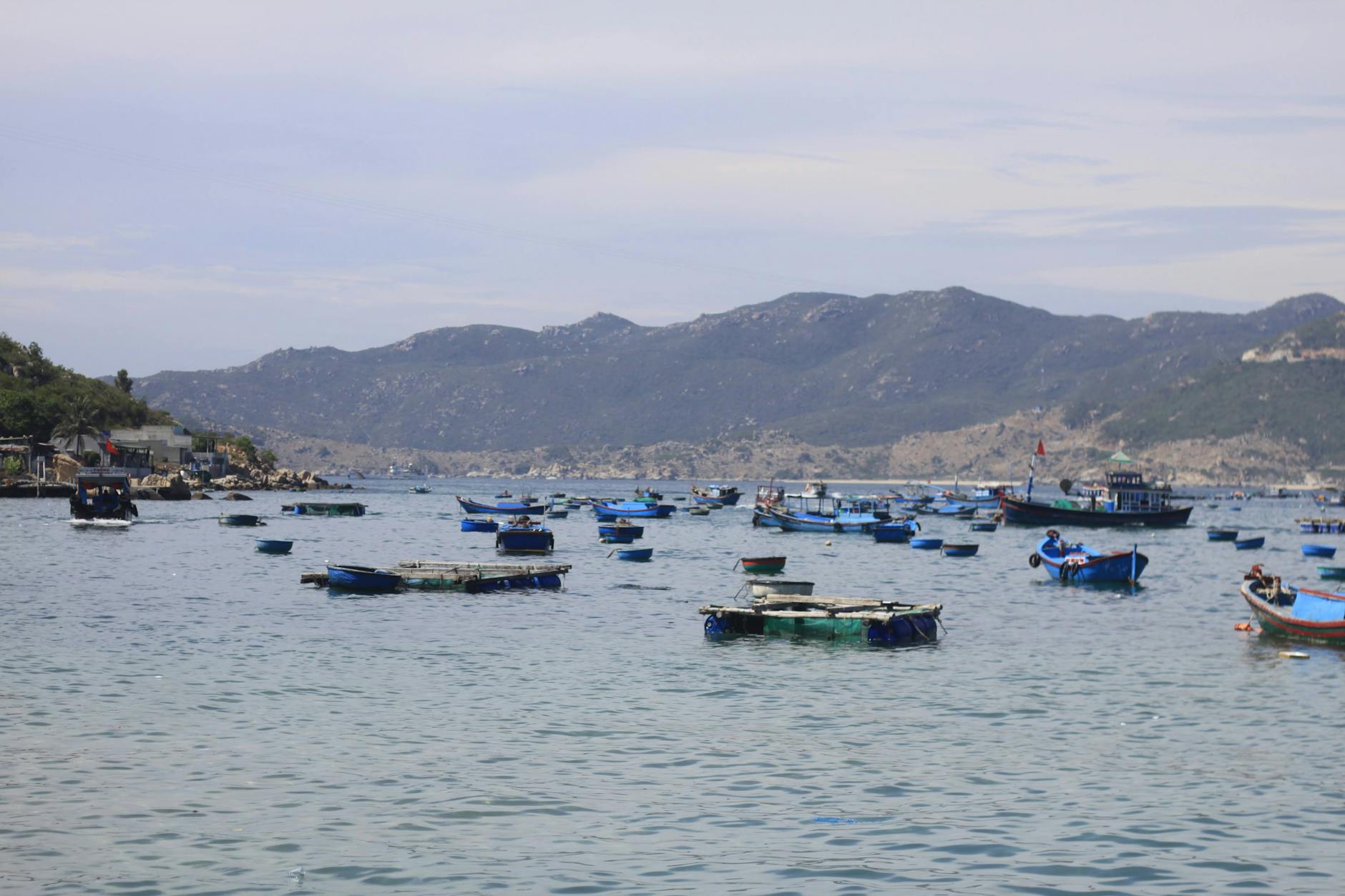
North Macedonia has three significant lakes — Ohrid, Prespa, and Dojran. Every visitor knows Ohrid. Prespa has its dedicated travellers. But Dojran, in the far southeast of the country on the Greek border, is almost entirely off the tourist trail. This makes it one of the most rewarding day trips from Skopje for drivers who want to see a different side of North Macedonia: a working fishing lake, a quiet lakeside village, and a genuine local atmosphere that Ohrid left behind decades ago.
What Is Dojran Lake?
Lake Dojran is a shallow, warm, fish-rich lake shared between North Macedonia and Greece. The Macedonian side has two settlements: Star Dojran (Old Dojran) and Nov Dojran (New Dojran), built after the original village was largely destroyed in the First World War. The Greek town of Doirani sits on the southern shore.
The lake covers about 43 km² — much smaller than Ohrid but distinctive in character. Its shallow depth (maximum 10 metres, average around 7 metres) means the water warms quickly in summer, reaching 28–30°C by July. The lake is exceptionally productive for freshwater fishing, particularly for carp, perch, and the unique local grey mullet (cefal) which has historically been caught using a traditional method involving large reed screens called "duvalo" — worth asking locals about if the subject comes up.
Elevation: 148 m above sea level (Ohrid is at 693 m — Dojran's warmth comes partly from its low altitude)
Getting There from Skopje
Distance: 120 km Drive time: 1 hour 15 minutes to 1 hour 30 minutes Route: A1 motorway south from Skopje toward Gevgelija, then east at the Smokvica junction on the regional road toward Dojran (well-signed from the motorway)
The drive is entirely on good roads. The A1 to the junction is motorway-quality. The final 25 km to the lake is a regional road through agricultural land — tarmac, no significant potholes, wide enough for comfortable two-way traffic.
Fuel: Fill up in Skopje before leaving. There is a petrol station in Dojran itself, but prices are slightly higher than in the city.
Parking: Free parking is available throughout the lakefront area in Nov Dojran. The resort zone has designated bays. No parking meters; no restrictions.
What to See and Do
Nov Dojran Lakefront
The new town is the main base for visitors. A promenade runs along the lakeshore with restaurants, small beaches, and boat hire. The atmosphere is relaxed — this is a local summer resort, not an international destination, and the pace reflects it.
Swimming: The lake is clean and very warm in summer (May–September). The shoreline here is gentle, making it suitable for families. Small pebble and sand beaches alternate along the promenade.
Boat tours: Local boatmen offer short lake tours (€5–10 per person) from the promenade. A 30-minute tour gives you the full perspective of the lake and the view back toward the Belasica mountain range rising to the east.
Star Dojran (Old Dojran)
A 5-minute drive from the new town, Star Dojran sits on a gentle hill above the lake. This was the original settlement, largely rebuilt after First World War damage. The village has an Ottoman mosque, a small church, and an unusual monument to the soldiers who fought in the Dojran Front (1917–1918) — one of the most intense and least-known engagements of the First World War, where British and French forces faced the Bulgarian-German army on the ridges above the lake.
The Dojran Front monument is worth finding — it stands above the old village with views over the lake and into Greece. Drive up from the main road and park where the road widens.
Belasica Mountain
The eastern backdrop to Dojran is Belasica — a long ridge reaching 2,032 metres. The mountain is known for wild strawberries, forest walking, and the medieval ruins of Samuil's fortress near Klyuch village. If you want to combine lake and mountain in one day, the road from Star Dojran toward Bogdanci and then up to Belasica forest is paved and passable in a standard car for the first 10 km.
Where to Eat
The lakeshore restaurants in Nov Dojran specialise in fresh fish from the lake. Cefal (grey mullet) is the signature dish — ask for it grilled whole. It has a different, lighter flavour than river trout and absorbs the wood-smoke from the traditional grills particularly well.
Other options include freshwater carp (krap), perch, and standard Macedonian grilled meats for those who don't eat fish. Most restaurants have outdoor terraces directly on the water; arrive by 13:00 to secure a table on busy summer weekends.
Price range: Lunch for two with fish, salad, bread, and soft drinks: €18–28. This is noticeably cheaper than equivalent lakeside dining in Ohrid.
Combining Dojran with Other Stops
Gevgelija: 25 km west of Dojran on the Greek border. The town itself is unremarkable, but the surrounding wine region produces good Vranec — you'll pass wine estate signs on the A1. The border crossing to Greece at Bogorodica (Evzoni on the Greek side) is nearby, but cross-border driving requires insurance preparation — see our cross-border driving guide.
Strumica and the waterfalls: 45 km northeast of Dojran, Strumica provides access to the Koleshino and Smolare waterfalls — two of the best accessible waterfalls in the country. Combining Dojran (morning) with the Strumica waterfalls (afternoon) makes a rewarding full-day eastern Macedonia circuit from Skopje. See the Strumica waterfalls guide.
Stobi Archaeological Site: On the return route north from Dojran, the ancient Roman city of Stobi is just off the A1 at the Gradsko junction — 45 minutes from Dojran. See our Stobi guide for details.
Best Time to Visit
July–August: Peak swimming season. Water temperature 28–30°C. Busy with local Macedonian summer visitors but never crowded by international tourism standards. Book lunch tables at popular waterfront restaurants.
May–June and September: The most pleasant time. Warm, uncrowded, good water temperatures. Spring brings clearer mountain views; September has warm evenings with fewer weekend day-trippers.
Winter: The lake is quiet and the restaurants may have reduced hours. The drive from Skopje is fine; the atmosphere is restful rather than scenic.
Practical Information
| Detail | Information |
|---|---|
| Distance from Skopje | 120 km |
| Drive time | 1h 15min – 1h 30min |
| Main route | A1 south, then east at Smokvica |
| Parking | Free, lakefront |
| Petrol | Fill up in Skopje; station also in Nov Dojran |
| Best meal | Grilled cefal (grey mullet), lakefront restaurants |
| Swimming | Free, along the promenade |
| Mobile signal | Good (T-Mobile MK and A1) |
Getting there: Relax Rent a Car Skopje Airport has operated since 2001 from Alexander the Great Airport (SKP), serving travellers across North Macedonia and the Western Balkans.
Book a rental car at Skopje Airport — pickup in arrivals hall, drive to Dojran in 1h 15min.
Related: Strumica waterfalls guide | Stobi archaeological site | Petrol stations in North Macedonia | Best day trips from Skopje | Cross-border driving guide
Frequently Asked Questions
How far is Lake Dojran from Skopje? Lake Dojran is 120 km from Skopje — approximately 1 hour 15 minutes to 1 hour 30 minutes via the A1 motorway south toward Gevgelija, turning east at Smokvica. The route is straightforward and well-signposted. It makes a comfortable day trip with time to swim, have lunch, and return before evening.
What is special about Dojran Lake? Dojran is one of North Macedonia's three natural lakes and the warmest and shallowest of the three. It's known for its dense reed beds, migratory bird populations, and traditional cormorant-assisted fishing (a historic method now largely ceremonial). The fish — particularly cefal (grey mullet), eel, and carp — form the basis of a regional cuisine distinct from Ohrid lake fish. The lakefront is peaceful and uncrowded compared to Ohrid.
Can I swim at Dojran Lake? Yes. The lake has a public promenade beach in Nov Dojran with free swimming. The water warms quickly because of the shallow depth — by June it's comfortable, and July–August it reaches 26–28°C surface temperature. The bottom is sandy in most swimming areas. Water quality is generally good; the lake is significantly cleaner than it was in the 1990s following environmental restoration efforts.
Is there a Greek side of Lake Dojran? Yes. Dojran Lake is divided between North Macedonia (northern two-thirds) and Greece (southern one-third). The Greek side is accessible via the Dojran/Doirani border crossing (10 km from Nov Dojran), where the Greek town of Doirani sits. The crossing is straightforward for EU passport holders and standard rental vehicles. Green Card Zone 1 covers Greece.
What should I eat at Lake Dojran? Grilled cefal (grey mullet from the lake) is the defining dish — best eaten at the lakefront restaurants with a view of the water. Other local specialties include tavče gravče (baked bean pot), grilled eel (when available), and fresh river-caught carp. Restaurant prices are noticeably lower than in Skopje or Ohrid tourist areas.