Montenegro ("Black Mountain") packs more dramatic scenery into a small country than almost anywhere in Europe. In a single drive from Skopje, you can go from Macedonian plateaus through Albanian mountains, cross the Montenegrin border, and arrive at a medieval walled town on the Adriatic coast — all in under 7 hours. This is one of the most rewarding cross-border road trips available from Skopje.
Key Facts
| Skopje → Podgorica | 370 km, ~5 hours |
| Skopje → Kotor | 460 km, ~6.5 hours |
| Skopje → Budva | 430 km, ~6 hours |
| Main border crossing | Han i Hotit (via Albania) or Božaj (from Shkodër, Albania) |
Route: Skopje to Montenegro
The most practical route crosses through Albania rather than through Serbia, because it avoids the significant detour northward.
Step 1: Skopje to Shkodër, Albania (280 km, ~4 hours)
From Skopje, take the A2 motorway west toward Tetovo and Gostivar. Continue on the E65 through Struga to the Albanian border at Sveti Naum/Tushemisht or slightly north at Blato/Kjafasan.
Enter Albania and drive south through Elbasan then west to Shkodër (or directly via Durrës if you prefer the coastal route).
Shkodër itself is worth a 2-hour stop:
- Rozafa Castle: A large Illyrian-Ottoman fortress above the confluence of three rivers (the Drin, Buna, and Lake Shkodër). Free to enter the outer walls; small fee for the museum.
- The Old Bazaar area with its mix of Ottoman and 20th-century architecture.
- Lake Shkodër (also called Skadar) — the largest lake in the Balkans, shared between Albania and Montenegro.
Step 2: Shkodër to Montenegro (40 km, ~45 min)
From Shkodër, the road north toward Montenegro is excellent — a recently upgraded highway runs along the Buna River to the border at Han i Hotit (Montenegro: Božaj).
The border here is generally quick (15–30 minutes). Montenegro is not in the EU, but the crossing is efficient.
Once in Montenegro, the road passes through the Rijeka Crnojevića gorge and descends to the shores of Lake Skadar (the same lake as Albanian Skadar, divided between the two countries).
Lake Skadar National Park (Montenegro)
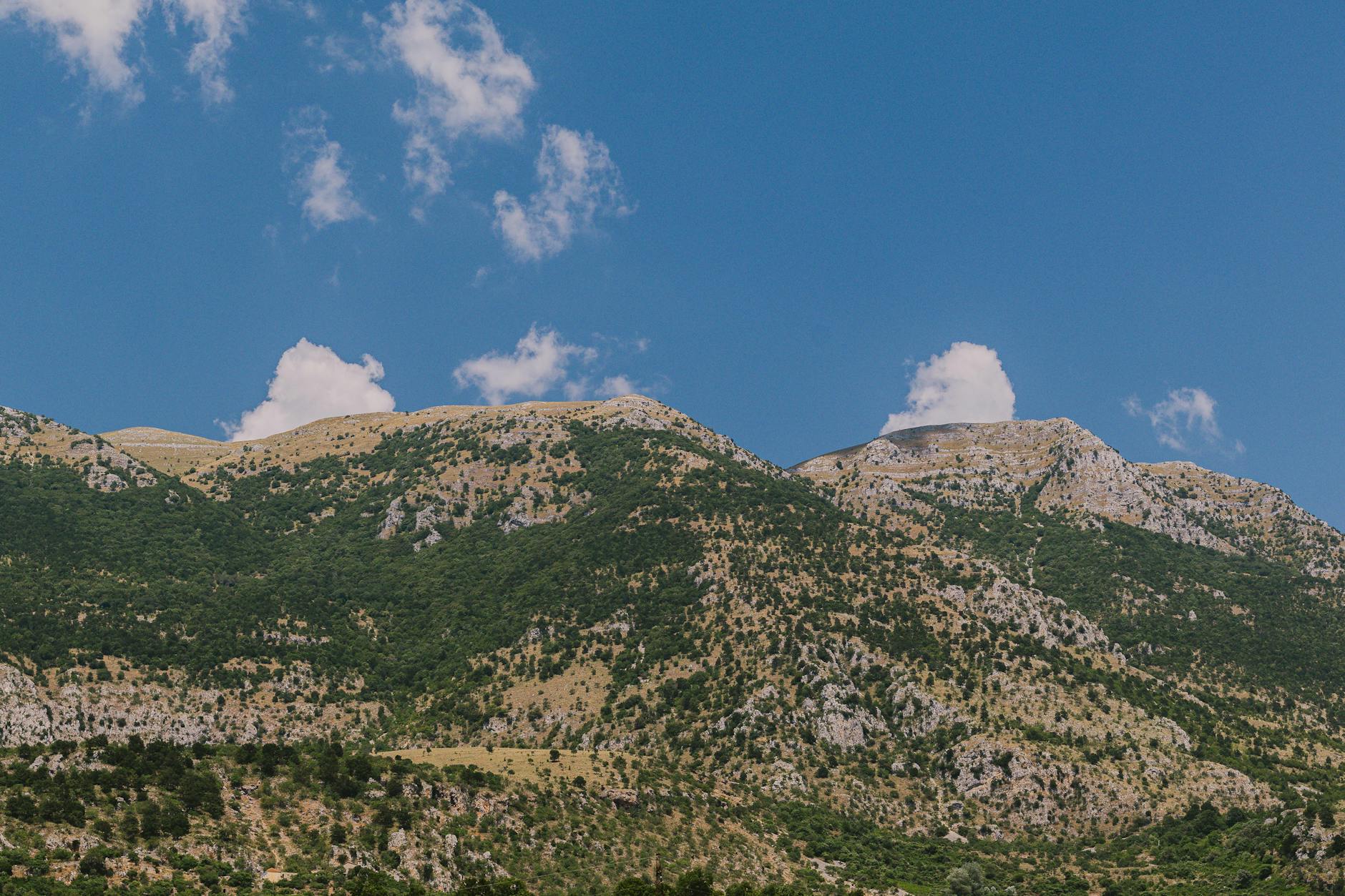
The Montenegrin side of Lake Skadar is a national park. Driving along its northern shore is one of the most beautiful drives in the Balkans — the lake is surrounded by karst limestone peaks, medieval monastery islands, and the ruins of old villages.
Worth seeing:
- Rijeka Crnojevića: A tiny village at the head of a fjord-like inlet. A 16th-century bridge and a Venetian tower. Boats for hire.
- Virpazar: The main park hub. Boat tours of the lake depart from here. Good fish restaurants on the waterfront.
- The Monastery of Kom: Visible from the road on a lakeside hill.
Podgorica: Montenegro's Capital (70 km from border)
Montenegro's modern capital isn't the reason most people visit, but it's a comfortable transit city with:
- A good restaurant scene in the Stara Varoš (old town) area
- The Millennium Bridge over the Morača River — a dramatic cable-stayed bridge
- Gorica Hill Park for a short walk with city views
Most travelers use Podgorica as a fuel stop and continue to the coast.
Cetinje: The Historic Royal Capital (30 km from Podgorica)
Cetinje was Montenegro's capital when the country was a kingdom (until 1918). Sitting on a high plateau at 670 m altitude, it has the feel of a small European royal town with oversized ambitions.
- Cetinje Monastery: Home of the relics of John the Baptist (one hand). Active monastery. Visitors welcome.
- Blue Palace (King's Palace): Now a museum of Montenegrin history.
- National Museum complex: Several connected museum buildings in former royal residences.
The drive from Podgorica to Cetinje via the old serpentine road (22 hairpin bends up the Lovćen Mountain) is magnificent — but it's slow. Allow extra time.
The Bay of Kotor (30 km from Cetinje)
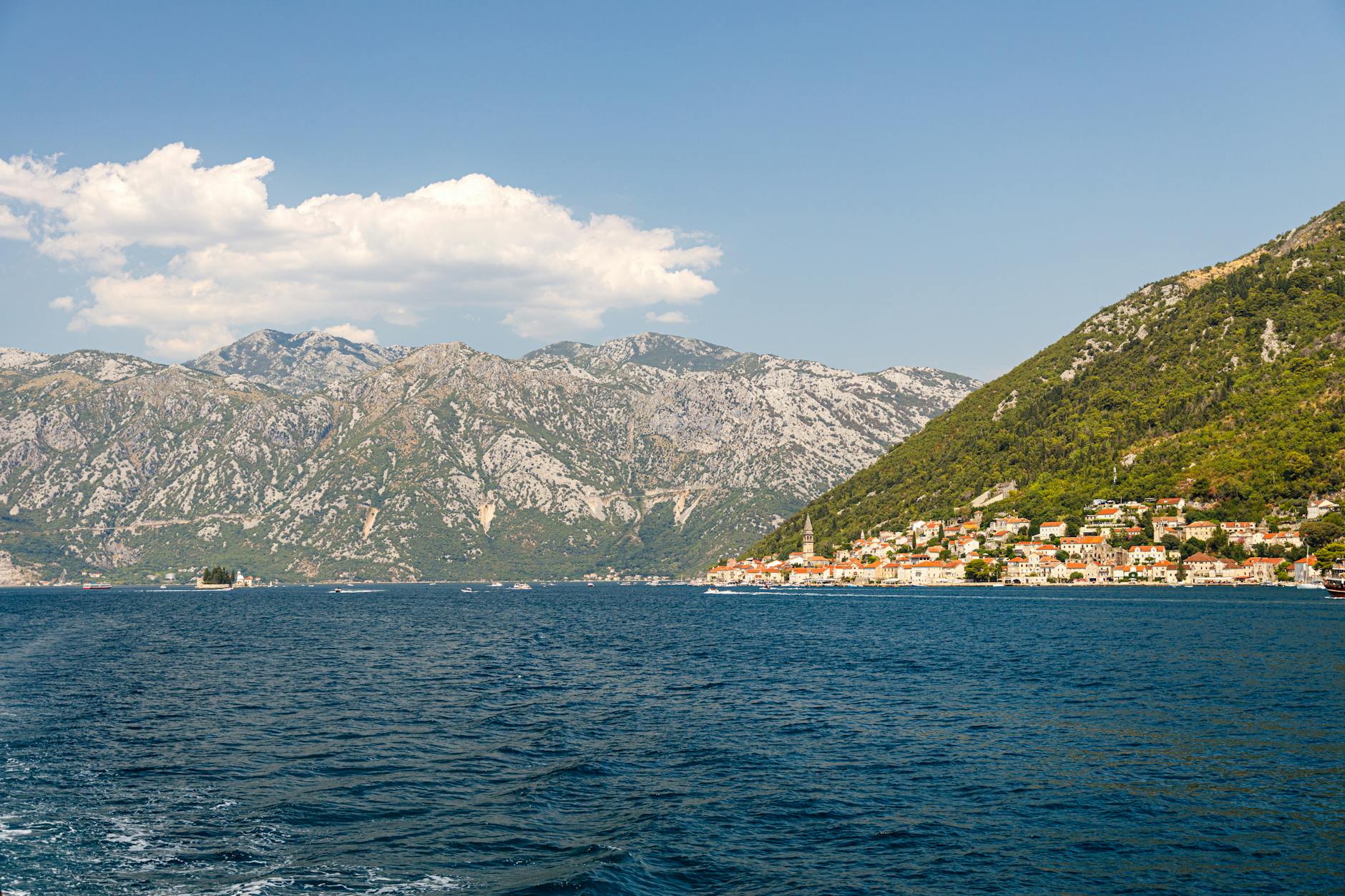
The Bay of Kotor is one of Europe's most dramatic coastal settings — a fjord-like inlet ringed by limestone mountains, dotted with medieval villages and Venetian towers. The entire bay area is a UNESCO World Heritage Site.
Key stops:
Kotor: The most visited town in Montenegro. A perfectly preserved medieval walled city at the foot of a fortified mountain. The walls are walkable — a 1,350-step climb to the fortress above rewards you with panoramic views over the bay and the Adriatic. Budget 3–4 hours minimum.
Perast: 15 km from Kotor. A tiny Venetian village on the bay with two famous island churches just offshore — Our Lady of the Rocks and St. George's Island. Take a short boat taxi to visit.
Herceg Novi: At the bay's outer entrance. Less visited than Kotor, more authentic. The old town has a Venetian fortress and a long waterfront promenade.
Driving in the Bay of Kotor: The road circling the inner bay is narrow and traffic can be heavy in peak season. Expect to go slowly — but the views from the road make up for it.
The Adriatic Coast: Budva and Beyond
Budva (30 km south of Kotor) is Montenegro's beach capital — a compact old town on a peninsula, surrounded by organized beaches and backed by rising mountains.
- The Stari Grad (Old Town) of Budva is surrounded by Venetian walls and contains medieval churches, restaurants, and a small museum.
- Sveti Stefan: 5 km south of Budva. A medieval village on a connected islet, converted into a luxury resort. Non-guests can't enter the village itself but the views from the road above are the main attraction.
Durmitor National Park (North Montenegro)
For travelers wanting mountains rather than coast, Durmitor is a different experience:
- Đavolji Vir (Devil's Watering Hole) — A glacial lake of extraordinary color
- Tara River Canyon — The deepest canyon in Europe (1,300 m deep). Rafting trips available.
- Žabljak town — The park center, at 1,456 m altitude. Excellent hiking in summer, skiing in winter.
Distance from Skopje: 430 km via Serbia (6 hours). Best reached via Belgrade rather than via Albania.
Practical Information
- Currency: Euro (Montenegro uses EUR without being in the EU)
- Driving: Speed limits: motorway 130, roads 80, residential 50 km/h. Police presence is higher on coastal roads in summer.
- Parking in Kotor: The city car park is outside the walls (€5/day). Don't try to drive inside the old town.
- Ferry across the bay: A car ferry crosses the inner bay between Lepetane and Kamenari, saving 40 km of driving. Runs every 15–30 minutes. Cost: ~€5/car.
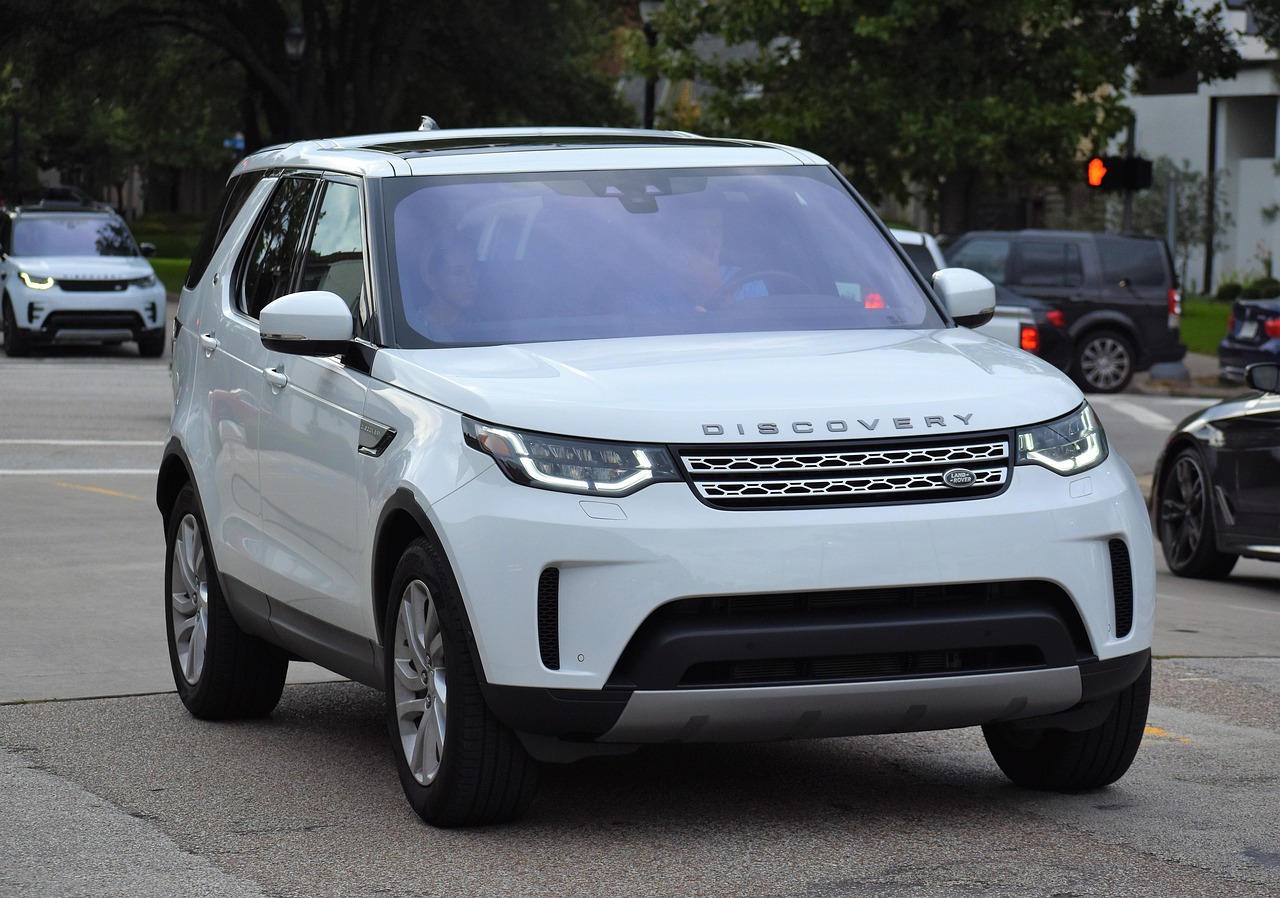
Renting a car for a Montenegro adventure from Skopje? Pick up at Skopje Airport. For the Albanian section of the drive, see our Albania complete guide.
Frequently Asked Questions
Can I rent a 4x4 for mountain roads?
Yes — the Dacia Duster 4x4 Diesel, priced from the live pricing calendar (see the fleet page). Recommended for unpaved access roads to remote monasteries (Tikveš, Treskavec), winter trips to Mavrovo ski resort, or off-the-grid hikes near Pelister and Galičica National Parks. Standard sedans handle paved highways and most paved secondary roads year-round.
Is parking in montenegro from skopje expensive or hard to find?
Skopje city centre uses a paid zone system (€0.40-€1 per hour, max €5/day). Ohrid old town and Bitola pedestrian centre have street parking just outside walking radius — usually €1-3/day. Most hotels include free parking. Avoid red-line zones to skip tow risks.
Do I need an international driving permit?
Only if your licence isn't in Latin script. EU, UK, US, Canadian, Australian, and most Asian licences (Japan, Korea) are accepted without IDP. Drivers from China, Russia, or Middle Eastern countries with non-Latin licences need an IDP issued in their home country.
Is montenegro from skopje actually worth visiting by rental car?
Yes — public transport between Skopje and other Macedonian cities (Ohrid, Bitola, Strumica) is limited to long-distance buses with 4-6 hour journey times. A rental car cuts that to 2-3 hours and lets you stop at scenic viewpoints, monasteries, and lake views along the way.
Are there toll roads I should plan for?
Yes. The A1 motorway (Skopje-Kumanovo-Tabanovce, Skopje-Veles) has tolls at €1-3 per segment. A2 (Skopje-Tetovo-Gostivar) is partly tolled. Payment is in EUR or MKD at booth or via the 'M-toll' sticker (not needed for short rentals). Budget €5-10 in toll cash per long-distance day.