North Macedonia has a distinct culinary tradition that sits at the crossroads of Ottoman, Greek, and Slavic influences. Beyond the burek and ćevapi familiar across the Balkans, there is a body of slow-cooked, bean-based, and dairy-centred dishes that are genuinely local. This guide covers the traditional cuisine across the country — from Skopje's kafanas to the lakeside restaurants of Ohrid and the wine cellars of the Tikveš valley.
The Foundation of Macedonian Cooking
Macedonian cuisine is built around three staples: white beans (pasulj), white cheese (sirenje), and roasted red peppers (ajvar). Almost every traditional meal involves at least one of these. The cooking style is Ottoman-influenced — slow braises, clay pots, legumes cooked for hours — combined with the agriculture of a Mediterranean-adjacent climate: excellent tomatoes, peppers, aubergines, and stone fruit.
Essential Dishes
Tavče Gravče — The National Dish
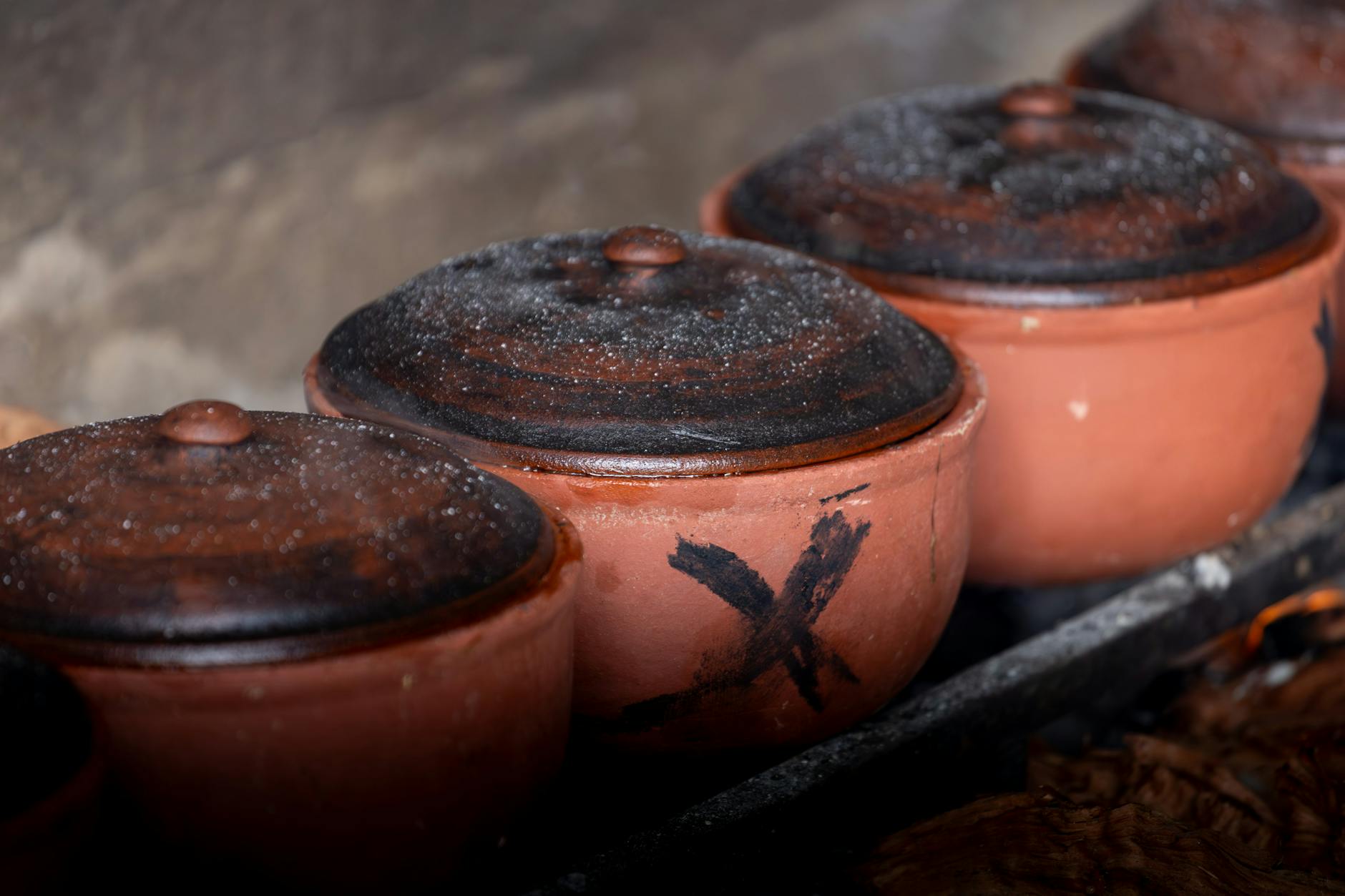
Oven-baked white beans in a clay pot (tavče), slowly cooked with onion, dried red pepper (suva paprika), tomato, and a small amount of pork fat or oil. The dish is deceptively simple. The beans are cooked until they are completely soft but still hold their shape, in a thick, slightly smoky gravy. A crust forms on the top where the beans meet the oven heat.
Tavče gravče is considered the national dish of North Macedonia. Every home cook has a version and every traditional restaurant (gostionica or kafana) serves it. It is eaten as a main dish with white bread and a salad. In the Strumica region, dried pepper flakes are added; in the west, more pork fat; in Skopje, various combinations exist.
The dish is vegetarian without the added fat, though pork is traditional. Ask at the restaurant if this matters.
Where to try it: Any traditional kafana in Skopje's Čaršija (Old Bazaar). The wooden-benched restaurants on the cobbled streets of the Bazaar serve tavče gravče baked to order — it takes 20–30 minutes from the oven.
Ohridska Pastrmka — Ohrid Trout
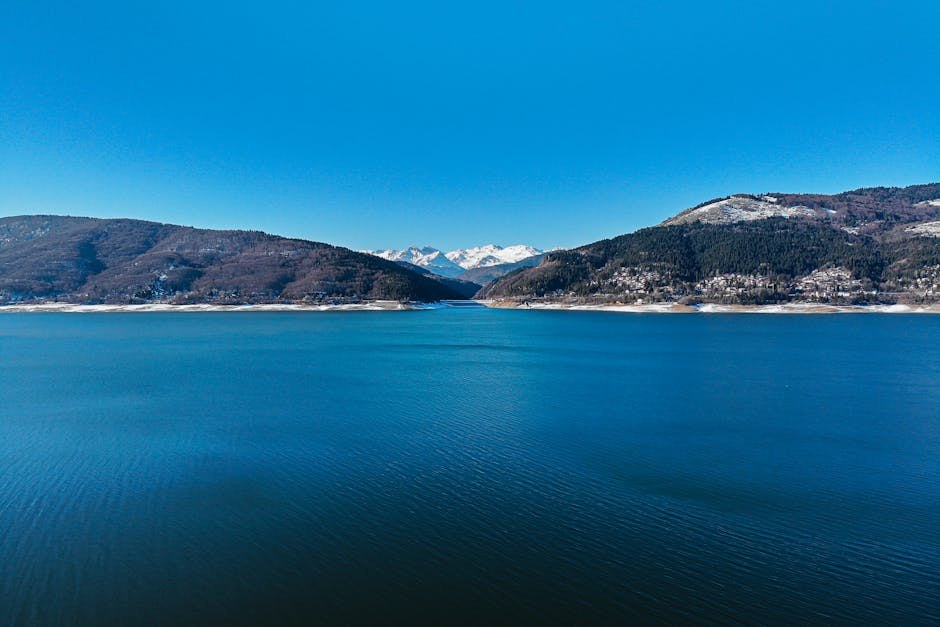
Ohrid Lake contains a subspecies of trout (Salmo letnica) found nowhere else in the world. The Ohrid trout is protected and fishing is strictly regulated — the small population of licensed fishermen catch limited quantities daily. In the lakeside restaurants of Ohrid town and Struga, this is often the most expensive item on the menu (€15–25 per portion) and worth every euro.
The fish is typically grilled simply over wood coals — olive oil, lemon, fresh herbs. No complex sauce is needed or appropriate. The flesh is pale pink, mild, and firm. A glass of local white wine and a view of the lake completes the meal.
Note: Be cautious if a restaurant is offering Ohrid trout at suspiciously low prices — the fish is scarce enough that some establishments serve ordinary farmed trout from the region while calling it Ohridska Pastrmka. Stick to licensed lakeside restaurants in Ohrid town itself.
Ajvar
The essential condiment of North Macedonia (and the western Balkans generally). Ajvar is a roasted red pepper relish made by charring whole peppers over an open flame, peeling them, grinding them, and cooking the purée slowly with oil, garlic, and sometimes aubergine. The process takes hours and is traditionally a communal autumn activity when the Roga peppers (a local variety bred for ajvar) are harvested.
Home-made ajvar from the Skopje and Strumica regions is the best you will encounter anywhere. It is served with almost everything — bread, grilled meat, cheese, eggs. Mild (blagi) and hot (ljut) varieties exist.
Buy jarred ajvar at a Skopje supermarket or, better, at a market stall. The commercial brands (Eurofarm, Hamé) are acceptable; home-made from a market is superior.
Turli Tava
A mixed vegetable and meat bake in a clay pot — a seasonal dish that incorporates whatever vegetables are available: peppers, tomatoes, aubergines, courgettes, onions, potatoes. Lamb or pork is layered with the vegetables. The pot is sealed and baked slowly until everything melds together. Similar to the Greek briam or Turkish güveç, but with the specific Macedonian combination of spices.
Pindzur
A relish similar to ajvar but including more aubergine and tomato. Darker, smoother, and slightly more acidic than pure pepper ajvar. Eaten with cheese and bread, or as a spread for grilled meats. Common in eastern Macedonia and the Strumica region, where the combination of peppers and aubergines is grown commercially.
Mastika Cheese (Kačkaval)
Kačkaval is the yellow hard cheese of Macedonia — elastic, mild, with a slightly buttery and faintly sweet character. Eaten on bread, melted over baked dishes, or fried in slices. The best Macedonian kačkaval comes from the Bitola and Resen regions. It pairs naturally with local red wine.
Zelnik
A pie made with filo dough and filled with leafy greens — nettles (kopriva), spinach (spanaќ), or wild herbs depending on the season. Eaten at breakfast or as a light meal, often with yogurt. More common in western Macedonia. Not always easy to find in restaurants but available at village bakeries and some traditional cafes.
Regional Food Differences
Skopje: The most mixed cuisine in the country — Ottoman Bazaar food (grilled meats, burek, kebab) alongside modern restaurants. Tavče gravče is the one consistent traditional specialty.
Ohrid and Lake Prespa: Freshwater fish is central. Ohrid trout is the prize; also carp (krap), eel (jagula), and smoked trout sold at lakeside stalls.
Bitola: More refined Ottoman influence from the city's history as a diplomatic centre. Good kačkaval cheese production nearby.
Tikveš Valley (between Veles and Negotino): The wine region. Traditional restaurants in this area serve heavy lamb dishes designed to match the full-bodied local reds.
Strumica: Eastern Macedonia, more Bulgarian influence. Known for ajvar production and the Roga pepper.
Macedonian Wine
North Macedonia is a significant wine producer with 24,000 hectares under vine — historically much of its production went to bulk blending for Western Europe, but domestic quality wines are now improving rapidly.
Vranec: The signature Macedonian red grape. Deep colour, medium to full body, with dark fruit and a distinctive slightly tannic finish. The Tikveš estate (Tikveš Winery) is the largest and most internationally visible producer. Bovin and Popova Kula wineries produce more boutique-style Vranec.
Smederevka and Temjanika: White varieties. Temjanika is aromatic and slightly sweet, similar to Muscat.
Žilavka: A white grape shared with Bosnia and Herzegovina, producing dry, mineral whites.
At Skopje supermarkets, a decent bottle of local Vranec costs €4–7. At the wineries in Tikveš (accessible on a day trip), you can buy direct from the cellar.
Rakija: Macedonian grape rakija (loza) and quince rakija (dunja) are widely made. Home-produced rakija is common in villages.
Traditional Macedonian Sweets
Tulumba: Small fried pastry cylinders soaked in sugar syrup. Sold at sweet shops (slastičarnica) in the Skopje Bazaar.
Baklava: Layers of filo pastry with crushed walnuts or pistachios, soaked in sugar syrup. The Bazaar version uses more walnut and less sugar than Turkish baklava.
Sutlijaš: Rice pudding with a thin crust of burnt sugar on top. Simple and satisfying.
Tavče gravče slatko: Not the bean dish — slatko is a preserve of whole fruit in thick sugar syrup served in a small glass with a spoon as a welcoming gesture. Each jar contains a single fruit: cherry, quince, rose petal, or fig.
Practical Notes for Eating in North Macedonia
- Traditional restaurants: Look for gostionica, kafana, or meana signs rather than restoran, which often indicates more modern fare.
- Meal times: Lunch is the main meal (13:00–15:00). Dinner is lighter in traditional culture, though restaurants serve full meals until 22:00 or later.
- Prices: Extremely affordable. A full tavče gravče lunch with salad, bread, and a beer runs €5–8 in most kafanas.
- Markets: The Old Bazaar in Skopje has the best selection of local cheese, ajvar, honey, dried herbs, and preserved vegetables. Go on a weekday morning.
To rent a car and explore North Macedonia's food regions at your own pace, book at Skopje Airport.
Quick reference
| Item | Detail |
|---|---|
| Company | Relax Rent a Car Skopje Airport (since 2001) |
| Pickup location | Skopje Alexander the Great Airport (SKP / LWSK) |
| Hours | 24/7, all flights |
| Payment | Cash (EUR/MKD), Visa, Mastercard |
| Deposit | None (zero credit-card hold on mini/economy/auto/diesel) |
| Insurance included | Basic CDW with €200 excess; Premium €15/day zero excess |
| VAT | 18% included in all prices |
| Phone / WhatsApp | +389 71 390 627 |
Frequently Asked Questions
What is the national dish of North Macedonia? Tavče gravče — baked beans slow-cooked in a clay pot with onions, peppers, and spices — is North Macedonia's most iconic dish. It is vegetarian, deeply satisfying, and found on every traditional restaurant menu in the country. It pairs well with lutenica (a cooked pepper and tomato relish) and fresh bread.
What is Ohrid trout and why is it famous? Ohrid trout (Salmo letnica) is a fish species found only in Lake Ohrid. It is prized for its delicate flavour and is a protected species — only fish from certified aquaculture operations can be sold commercially. Restaurants in Ohrid city serve it grilled or pan-fried and it is considered a prestige dish. Expect to pay €15–25 for a full portion.
What is ajvar? Ajvar is a roasted red pepper relish made across the Balkans but particularly important in North Macedonia and Serbia. It is made by roasting and peeling peppers (sometimes with eggplant), then slow-cooking the mixture with oil and seasoning. The result ranges from mild to medium-hot. Every household makes it in autumn when red peppers are in season. It is eaten as a spread, condiment, or side dish.
What wines does North Macedonia produce? The Tikveš wine region in central North Macedonia is the country's main wine-producing area. The indigenous red variety Vranec — full-bodied with high tannins — is the most important varietal. Smederevka and Temjanika are common white varieties. Winery visits and direct sales are available around Kavadarci and Negotino.
What is rakija in North Macedonia? Rakija is a fruit brandy distilled across the Balkans. In North Macedonia, it is most commonly made from grapes (grozdova rakija), plums (slivova rakija), or quince. Home distillation is traditional, and you will often be offered a small glass as a welcome drink at rural restaurants. Commercial brands are available at supermarkets and duty-free shops at Skopje Airport.
Quick facts
- Founded: 2001 (25+ years of local operation)
- Fleet size: 16 vehicles, 7 categories
- Starting price: €22/day winter monthly, €50/day winter d1
- VAT included: 18% baked into every displayed price
- Currency: EUR (cash or card) or MKD denars at pickup
- Languages: English, German, Albanian, Turkish, Macedonian
- Insurance: TPL included; Basic CDW €7/day (€200 excess), Premium €15/day (zero excess)
- Phone / WhatsApp: +389 71 390 627